Raw Honey Crystallization
Crystallization is a completely natural process that happens to raw honey over time, and it's actually a sign of its purity. The crystals form because honey is a supersaturated solution of sugars, mainly glucose and fructose. Glucose is less soluble in water than fructose, so over time, it can begin to crystallize out of the honey.The rate and extent of crystallization depend on various factors, including the nectar source, temperature, and the specific composition of the honey.
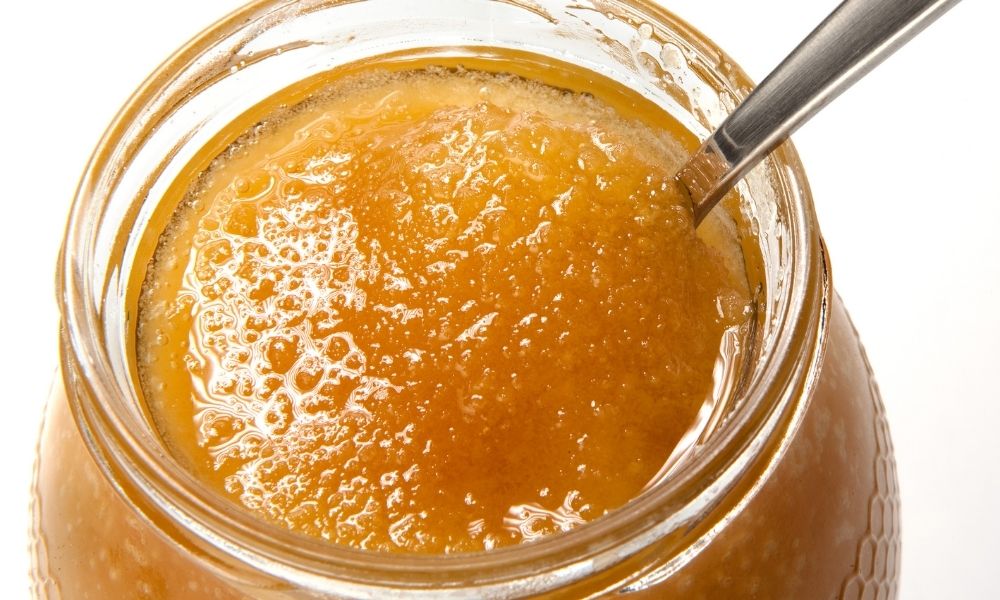
Why Does Raw Honey Crystallize?
- Glucose and Fructose Ratio: Honey that has a higher proportion of glucose will crystallize more quickly than honey with a higher ratio of fructose. For example, clover honey tends to crystallize faster than acacia honey, which has a higher fructose content and stays liquid longer.
- Storage Temperature: Honey stored at cooler temperatures (below 50F or 10C) is more likely to crystallize faster. Warmer temperatures (around 70-80F or 21-27C) tend to slow the crystallization process.
- Presence of Particles: Tiny particles of pollen, beeswax, or other debris in raw honey can act as "seed crystals," accelerating the crystallization process.
Is Crystallized Honey Still Good?
Yes! Crystallized honey is still perfectly good to eat, and it doesn't indicate that the honey has gone bad. Crystallization is just one of the natural properties of raw honey. In fact, the crystallization process is a sign that the honey is raw and unprocessed. Raw honey has a natural tendency to crystallize over time because it hasn't been pasteurized (which would prevent crystallization).
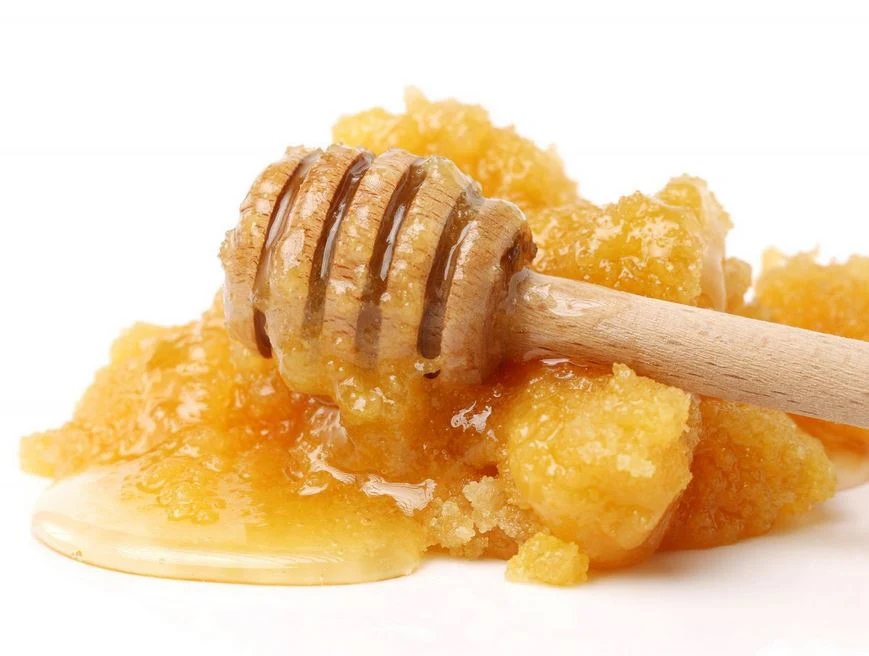
How to De-Crystallize Honey:
If you prefer liquid honey, you can easily de-crystallize it by gently warming it:
- Place the honey jar in warm water: Fill a pot with water and heat it to about 110-120F (43-49C). Make sure the water is warm but not boiling, as high heat can damage the beneficial enzymes in raw honey.
- Let it sit: Submerge the jar (with the lid loosely on) in the warm water and stir occasionally. The crystals will begin to dissolve back into the liquid honey after about 10-15 minutes.
- Avoid overheating: Don't let the water get too hot (over 120F/49C), as excessive heat can degrade the quality of the honey, diminishing its nutrients and health benefits.
Crystallized honey can be used to make creamed honey!
In fact, crystallized (or granulated) honey is often used as a base for making creamed honey due to its thick consistency. Here's how you can turn crystallized honey into creamed honey:
- Prepare the crystallized honey: If your crystallized honey is very solid, gently warm it up in a warm water bath (not above 95°F or 35°C) to liquefy it slightly. This step will make it easier to work with.
- Blend in the fine honey: Add a small amount of fine-grained, smooth honey (usually around 10% of the total amount). This helps encourage the crystallization of the honey into the smooth, creamy texture you want.
- Mix thoroughly: Stir the mixture well, ensuring the fine-grained honey is evenly distributed throughout the crystallized honey.
- Cool and allow to set: Once the mixture is thoroughly combined, pour it into jars or containers and allow it to sit undisturbed at room temperature for a few days. The honey will crystallize into a smooth, creamy texture. It will reach to a smooth, spreadable consistency (see the end result) .