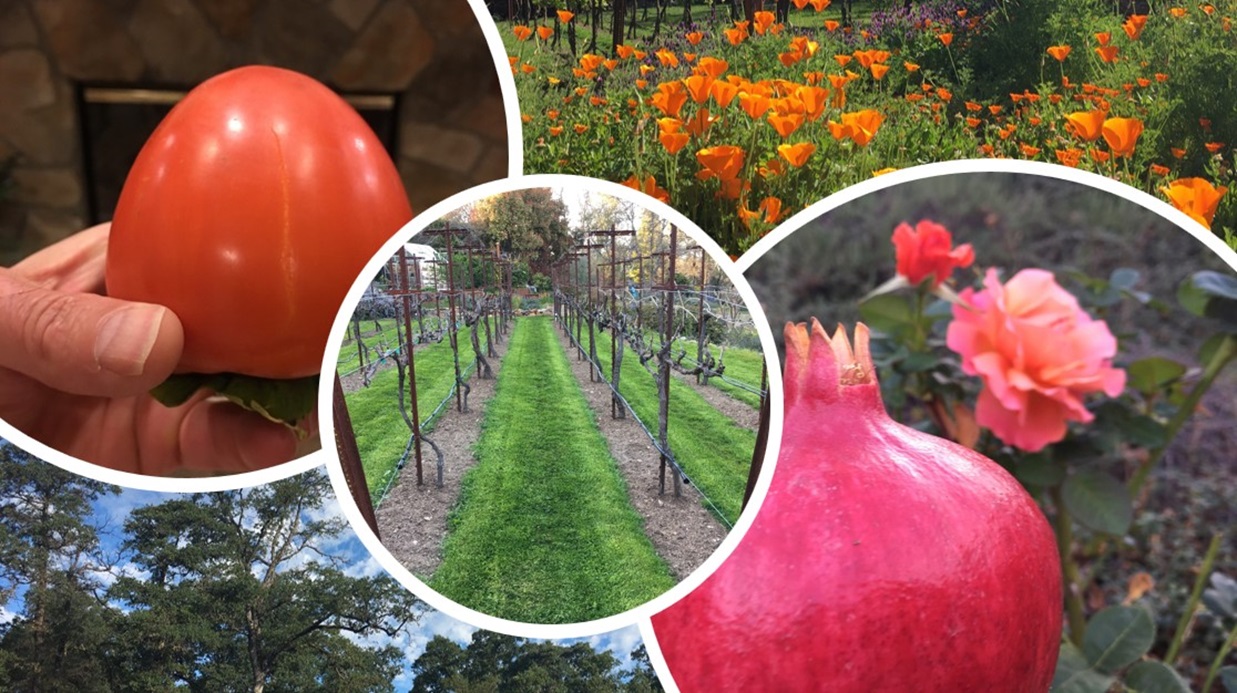
Our Farm
Starting a small farm in backyard can be a rewarding way to grow your own food, connect with nature, and even generate some income.
Whether you're working with a small suburban plot or a bit more space, there are plenty of options for setting up a productive and sustainable backyard farm.
Not only it is a fantastic way to grow your own food, but also to reduce your carbon footprint, and create a sustainable, rewarding lifestyle.
So, few years ago my wife and I started thinking of a vineyard, a vegetable garden, a few chickens, and a diversified mini-farm. We transformed a modest area into a productive space for growing food, raising chickens, and creating a more sustainable lifestyle. We decided to try a wide range of possibilities depending on our available space, interests, and time commitment.
Whether you're working with a small suburban plot or a bit more space, there are plenty of options for setting up a productive and sustainable backyard farm.
Not only it is a fantastic way to grow your own food, but also to reduce your carbon footprint, and create a sustainable, rewarding lifestyle.
So, few years ago my wife and I started thinking of a vineyard, a vegetable garden, a few chickens, and a diversified mini-farm. We transformed a modest area into a productive space for growing food, raising chickens, and creating a more sustainable lifestyle. We decided to try a wide range of possibilities depending on our available space, interests, and time commitment.
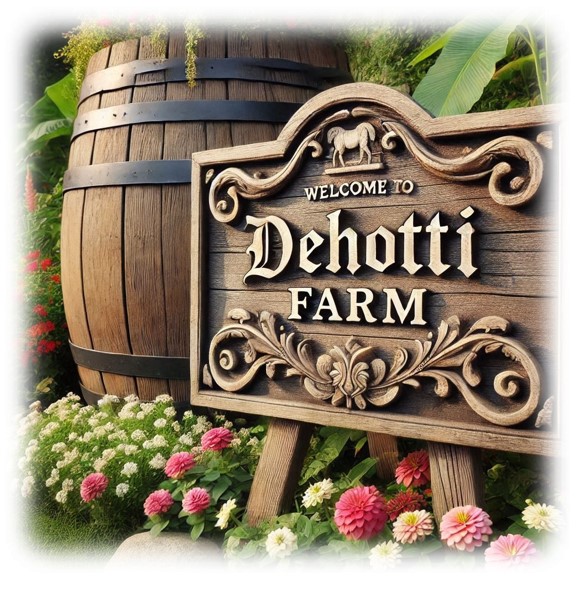
The farm was created as a sustainable, productive backyard operation. It blends food production with a lifestyle that promotes self-sufficiency, environmental care, and a connection to nature.
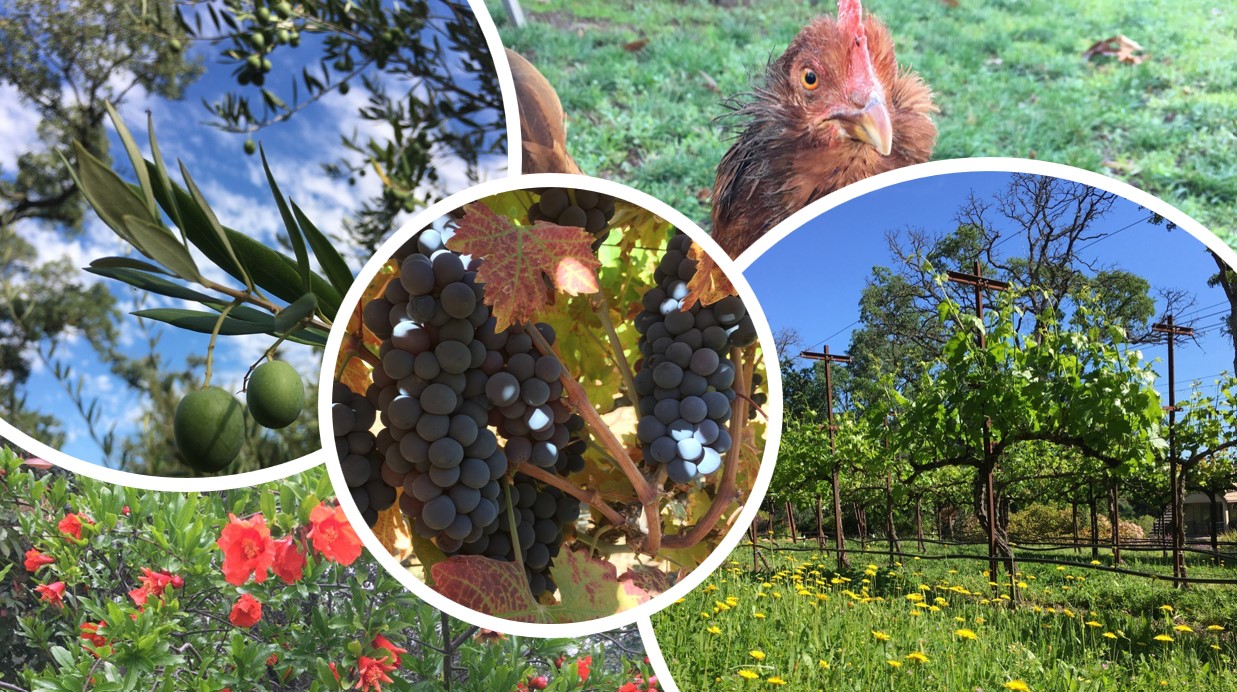
The name reflects our connection to the land and our commitment to a simple, rural way of life.
Our farm is home to a wide variety of crops and animals. We grow vegetables alongside fruit trees such as orange, lime, lemon, clementine, pomegranate, fig, persimmon, sour cherry, and mulberry. In addition, we raise chickens and keep honeybees, making our farm both diverse and sustainable.
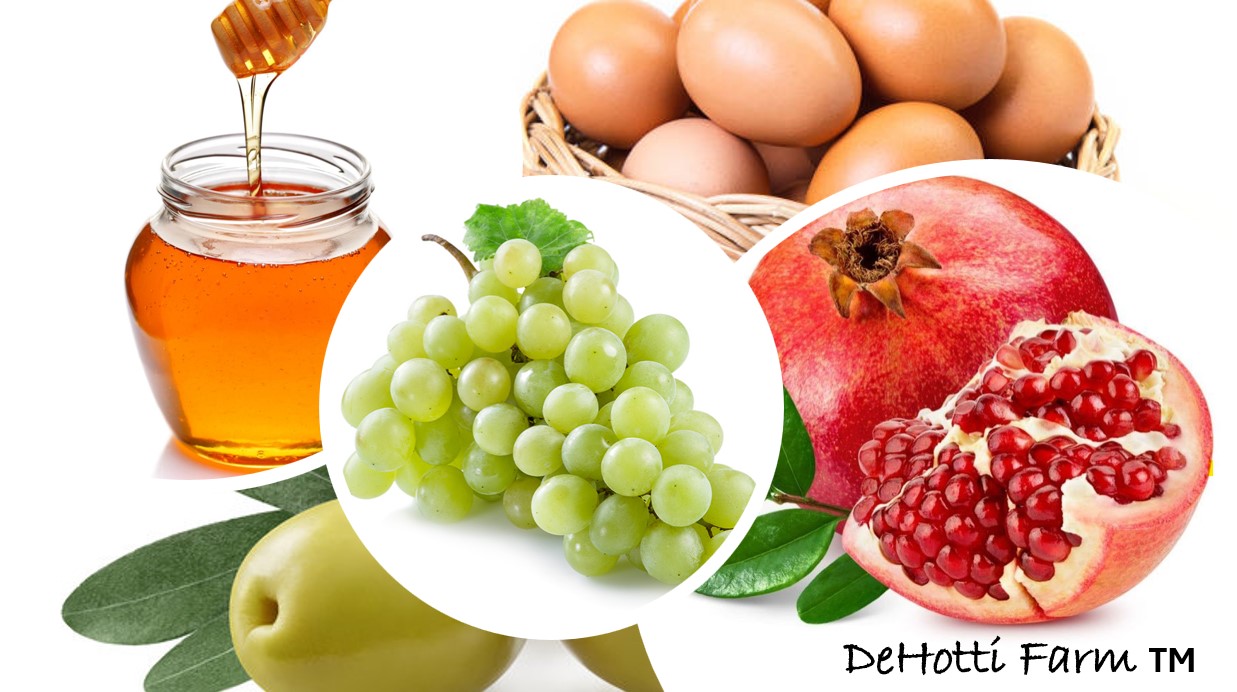
Farming is not just a means of producing food, but also a crucial element of the global economy, cultural heritage, and environmental stewardship. Having a small-scale farming for growing food, raising animals, and cultivating plants in small spaces, typically in a residential backyard or urban environment will be the future. It's an increasingly popular way for individuals and families to produce their own food, reduce their carbon footprint, and become more self-sufficient, all while promoting sustainability and health. Backyard farming can range from growing a few herbs in pots to more intensive farming techniques involving animals, vegetables, and fruits.
The Benefits:
- Fresh, Local Food: Grow your own organic produce and enjoy it when it's fresh.
- Cost Savings: Reduce grocery bills by growing your own vegetables, herbs, and even fruits.
- Healthier Lifestyle: Gardening encourages physical activity and provides access to nutrient-rich, homegrown food.
- Sustainability: Reduces the need for packaged goods, lowers your carbon footprint, and promotes sustainable living.
- Educational: Teaches children and adults alike about where food comes from, nature, and ecological systems.
- Connection to Nature: Provides a therapeutic escape, reduces stress, and fosters a deeper connection with nature. (READ MORE)