Gardening can be a meditative practice that can help you feel more connected to nature, reduce stress, and improve your focus. It complements meditation by providing opportunities for mindfulness, grounding, and stress relief. It's a natural way to bring yourself into the present moment and can enhance your overall well-being by nurturing both your mind and the earth.
There's something deeply healing about stepping away from the hustle and bustle of everyday life and immersing yourself in nature. The sounds of birds chirping, leaves rustling in the wind, the trickling of a stream, or the distant call of wildlife can all have a calming effect, helping to ease stress and bring a sense of balance back. Being in nature can help reset your mind, offering a moment of mindfulness and grounding. It's like the world slows down, and you can focus on the present moment, leaving behind the pressures of the day.
People often ask us if we have a favorite place to escape for peace and tranquility.
Our answer is always the same: DeHotti Farm.
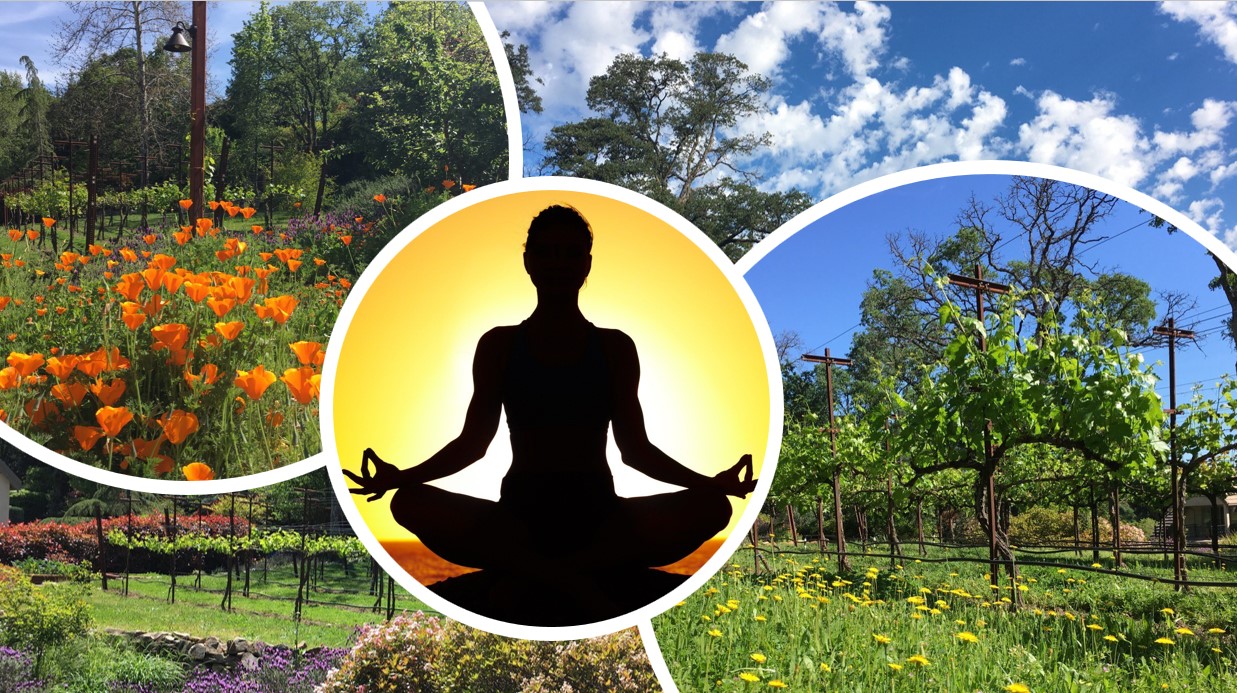
DeHotti Farm is more than just a farm, a vineyard, or an apiary—it’s a sanctuary to unwind, refocus, and embrace nature. It offers peace and tranquility, the perfect retreat after a busy and stressful day.
Here are some ways in which gardening can fulfill meditation:
- Mindfulness and Present Moment Awareness: Gardening, like meditation, encourages you to be fully present. Whether you're planting, watering, or tending to plants, you're required to pay attention to the task at hand, which can help you cultivate mindfulness. The act of focusing on small details in the garden, like the texture of the soil or the growth of a plant, can help you train your mind to stay in the present moment.
- Connection to Nature: Being in nature has a calming effect on the mind and body. Gardens provide a peaceful environment, offering a sanctuary for reflection and a place to connect with the natural world. This connection can deepen meditation practice by grounding you and fostering a sense of calm and balance.
- Stress Reduction: Both gardening and meditation have been shown to reduce stress. Gardening, by promoting physical activity and exposure to sunlight, can trigger the release of endorphins, which help improve mood. The repetitive motions of gardening (e.g., digging, planting, weeding) can also have a soothing effect, making it easier to enter a meditative state.
- Physical Activity and Relaxation: Gardening involves physical movement, which can help release tension in the body and promote relaxation. This physical aspect may complement meditation practices that focus on body awareness. Gardening helps you become aware of your body's movements and sensations, fostering a mind-body connection similar to what you experience in meditation.
- Cultivating Patience: Gardening teaches patience, as plants grow at their own pace. This aligns with the practice of meditation, where letting go of expectations and being patient with yourself is important. Gardening can help you embrace the natural flow of life, fostering acceptance and letting go of control, which is a core principle in many meditation practices.