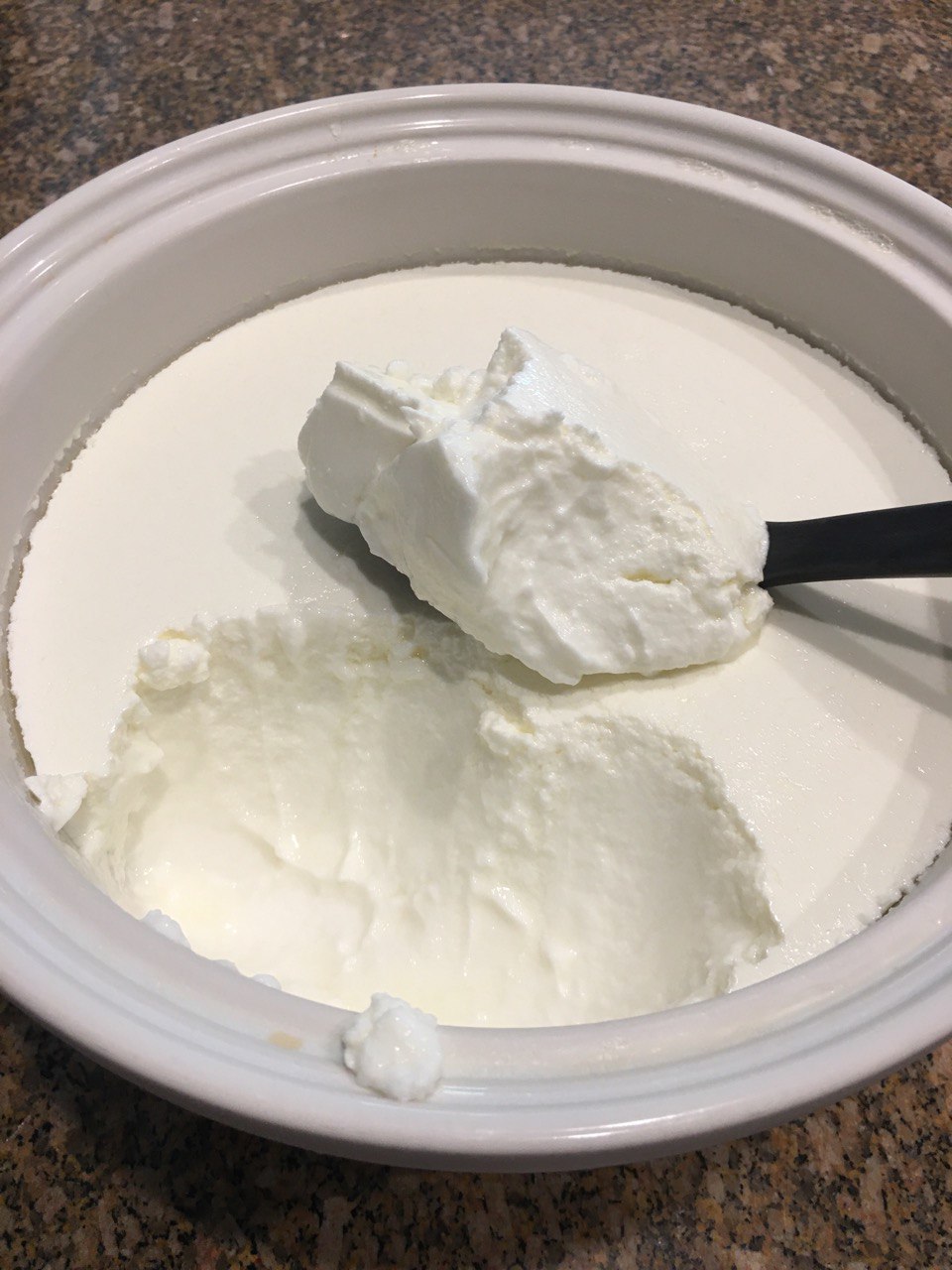
Homemade Yogurt
Making homemade yogurt is a simple and rewarding process that requires just 2 ingredients, milk, and starter (yogurt with live active culture). Homemade yogurt can be made without unhealthy additives and sugars that are often found in store-bought yogurt.Yogurt is a nutritious food that offers a range of health benefits, particularly due to its high content of probiotics, calcium, and protein.
At Dehotti Farm, we follow five simple steps to make our homemade yogurt:
- Heat the Milk
- Cool the Milk
- Add the Starter
- Incubate for 7-9 hours
- Refrigrate
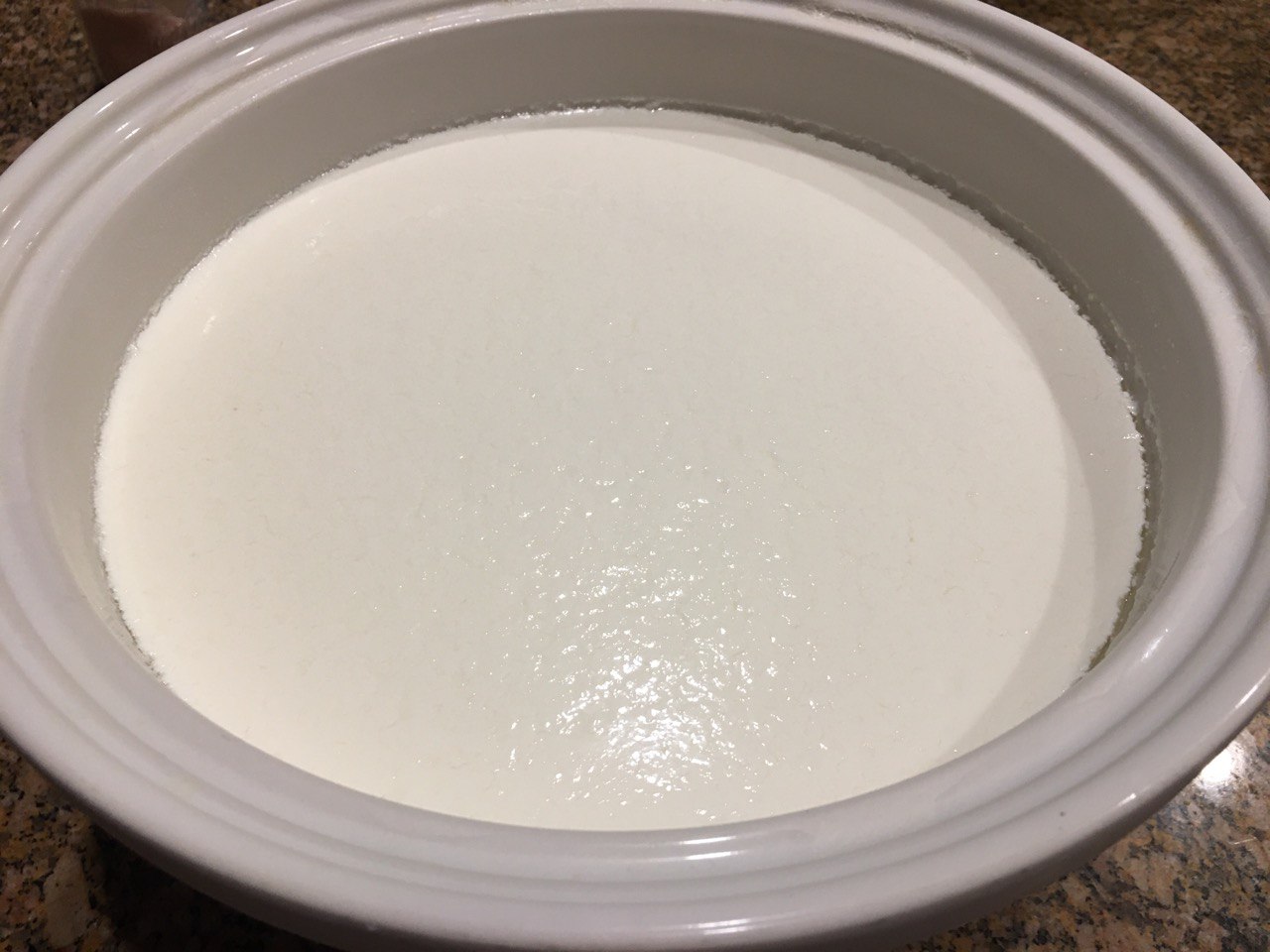
How to Make Homemade Yogurt (Step-by-Step Guide)
- Heat the milk to 180°F or higher
- This is around the time you begin to see steam rise, but before it boils.
- Heating helps to denature the proteins, so you’ll get yogurt that sets well.
- Heating above 180 °F unfolds whey proteins (lactoglobulin), which then bind with casein. This helps the milk set into a thicker, creamier yogurt.
- Higher heating ensures any competing bacteria or enzymes are destroyed, giving your starter cultures (Lactobacillus bulgaricus and Streptococcus thermophilus) a clean environment.
- Milk Powder (optional)
- Add ½-1 cup of skim milk powder per quart of milk before incubation, if you want extra firmness.
- Milk powder helps in yogurt making by increasing the milk’s protein and solid content. When added to milk before heating, it provides extra casein and whey proteins. These proteins play a critical role in forming a stronger gel network during fermentation, resulting in yogurt that is thicker, creamier, and less prone to whey separation.
- Cool the milk down to 110°F - 115°F
- If the milk isn’t cooled to around 110 °F (43 °C) before adding the starter, the heat can kill or weaken the yogurt bacteria, slowing or preventing fermentation. This often leads to thin, grainy yogurt with off flavors. Cooling the milk ensures the cultures remain active, producing a smooth, creamy, properly set yogurt.
- After heating milk, cool it quickly in a cold-water bath to 110. It helps lock the yogurt in a smooth texture.
- Cooling slowly after heating is also OK. Cooling slowly causes proteins to clump. As the milk sits hot, more protein and fat rise to the surface, creating a thick skin. The texture can get grainy or clumpy instead of smooth. The longer it stays hot, the more water evaporates. This makes the milk more concentrated, which could lead to a denser but sometimes chalkier yogurt.
- Add the starter yogurt and blend it into the milk well
- Add 2-3 tbsp of starter per quart (12 tbsp per gallon of milk).
- Do not over stir after the starter is added. Stirring breaks the forming gel and can cause curdling.
- Starter bacteria make lactic acid. This acid will lower the PH, and proteins naturally coagulate into a gel. This is what thickens the milk into yogurt.
- Using too much starter can actually cause problems, since the bacteria need lactose as food, and overcrowding makes them compete too quickly for it.
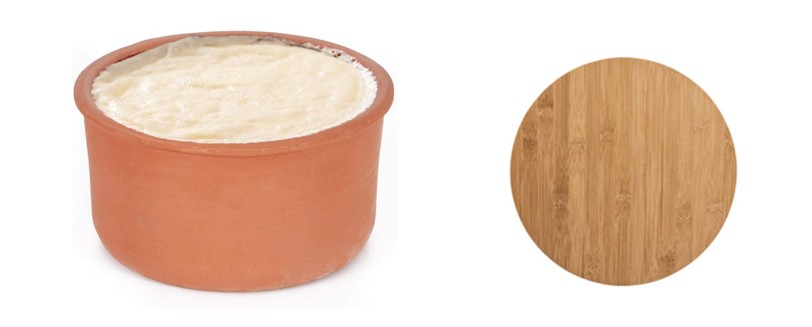
- Pour the mixture into an incubating container, like earthenware bowl
- Lid the bowl with a piece of wood to absorb the moisture
- Cover the entire thing with a blanket
- Let it incubate for 7-9 hours
- The longer the yogurt incubates, the sourer it will taste.
- Put the bowl uncovered in the refrigerator for few days
- The yogurt will continue to settle.
 Starter bacteria
- Streptococcus thermophilus
- Is a heat-loving thermophilic bacterium. It starts the fermentation process quickly. It breaks lactose into lactic acid which lowers the milk’s PH. This acidification helps milk proteins (casein) to coagulate.
- Lactobacillus bulgaricus
- Kicks after the other bacterium. It produces more lactic acid and also gives yogurt certain flavor.