Succulent
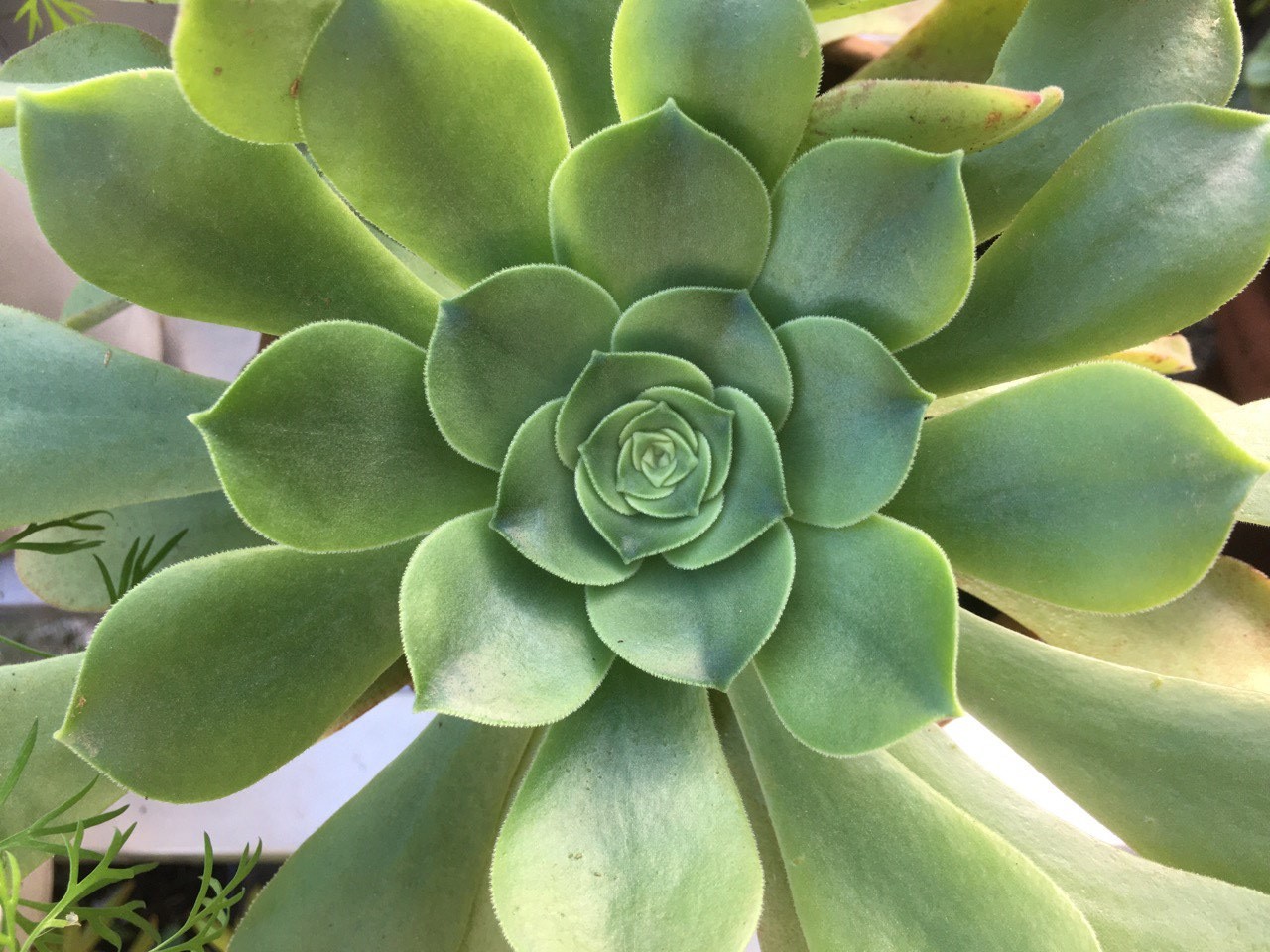
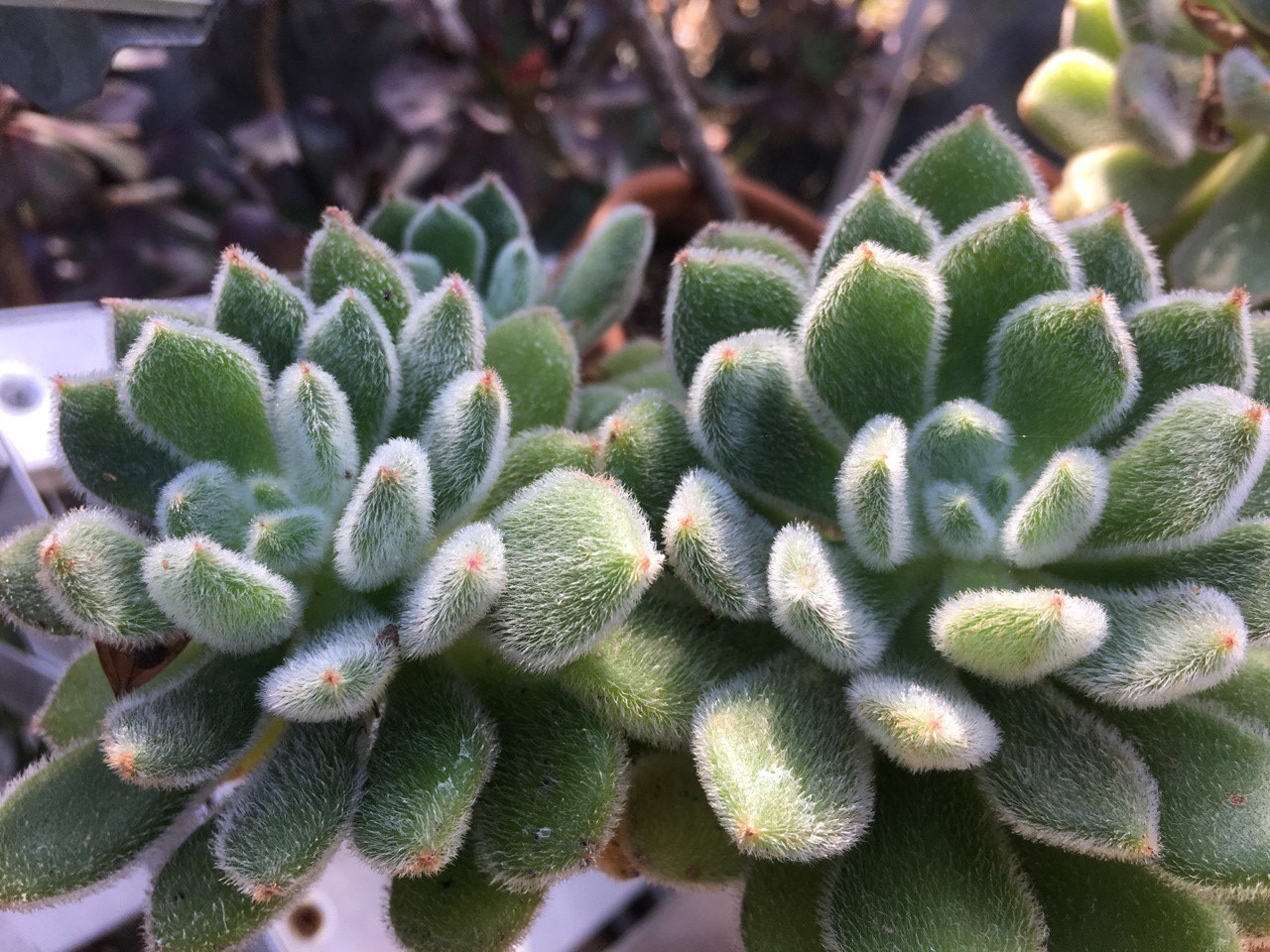
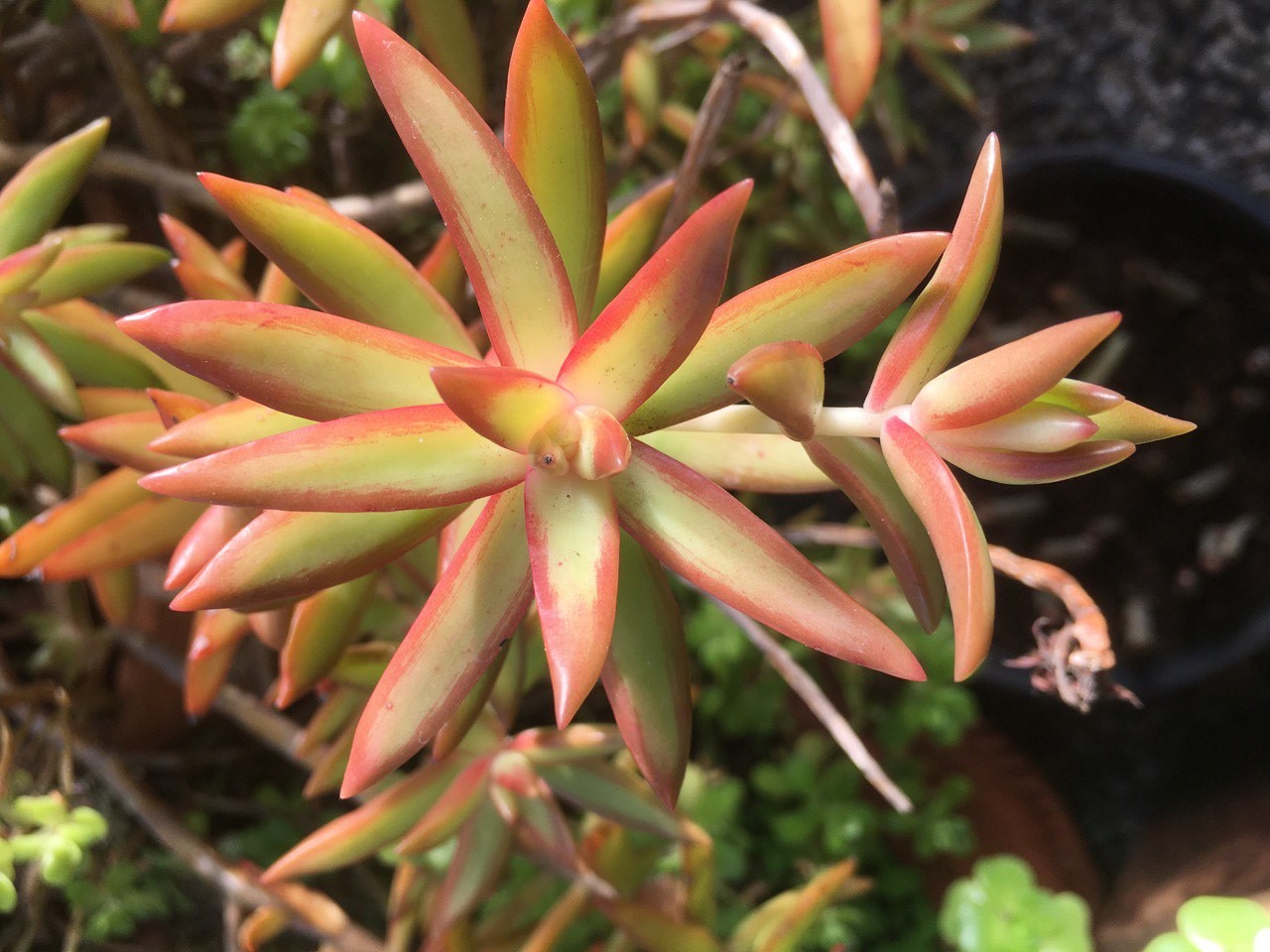
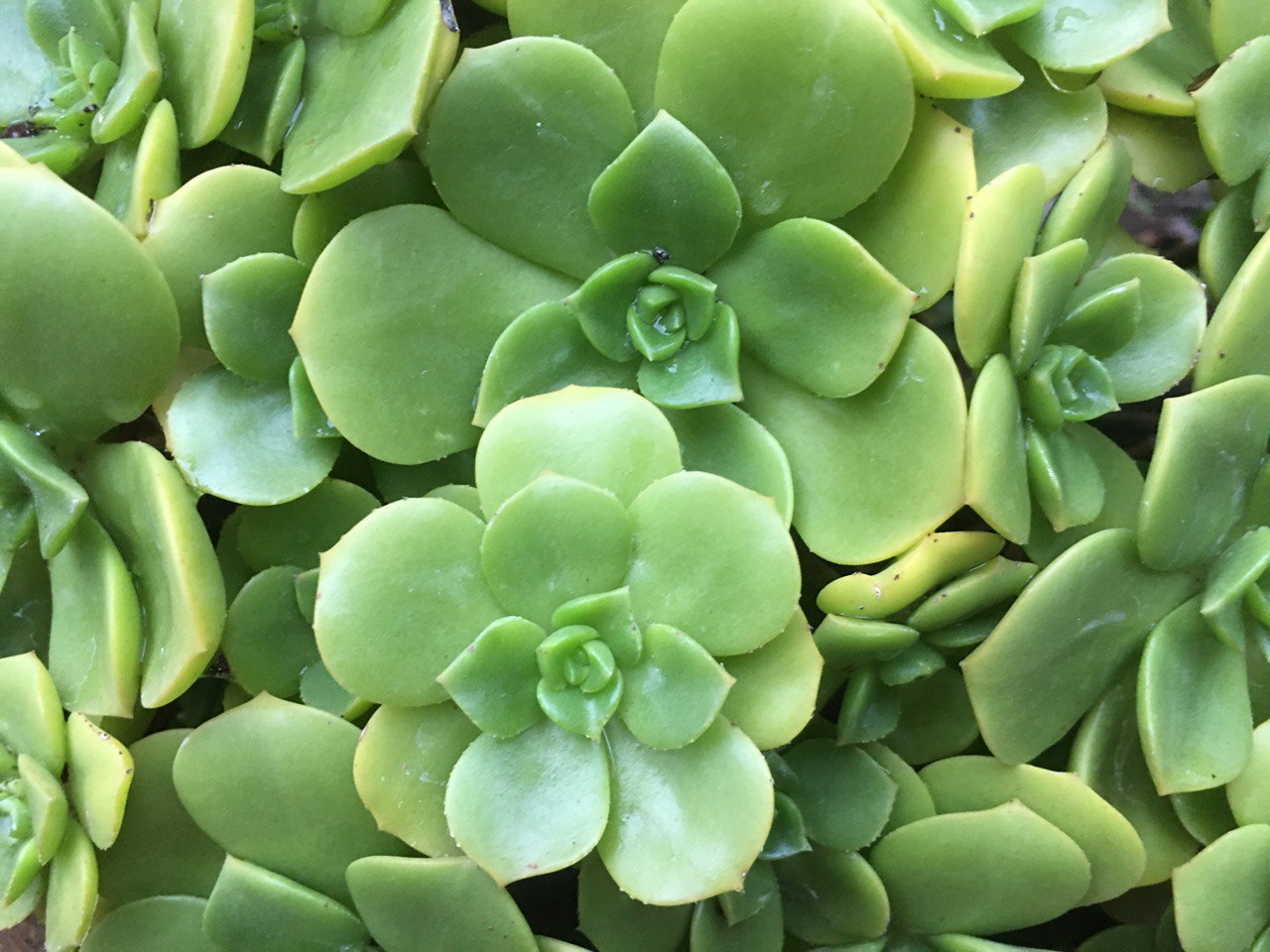
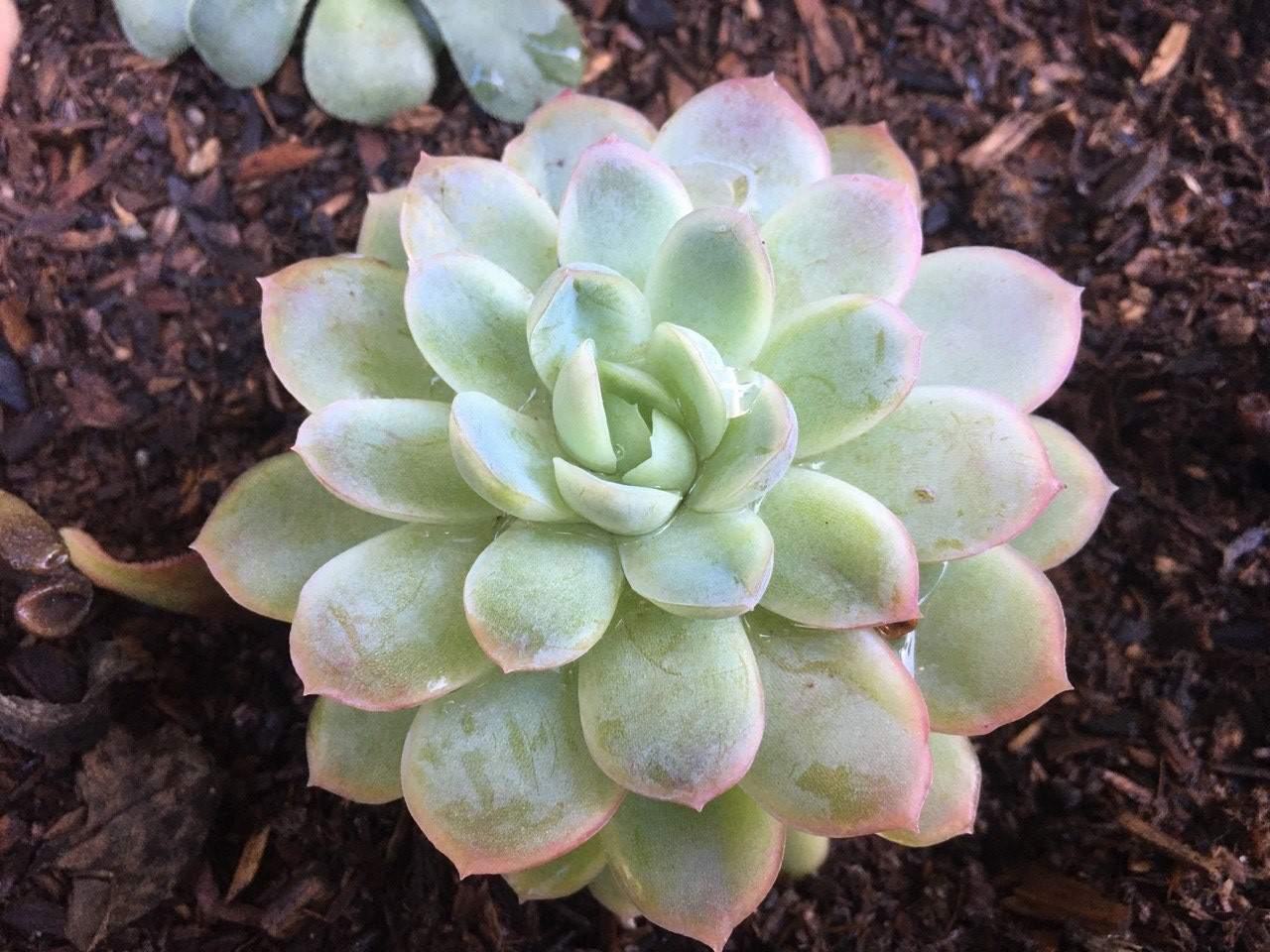
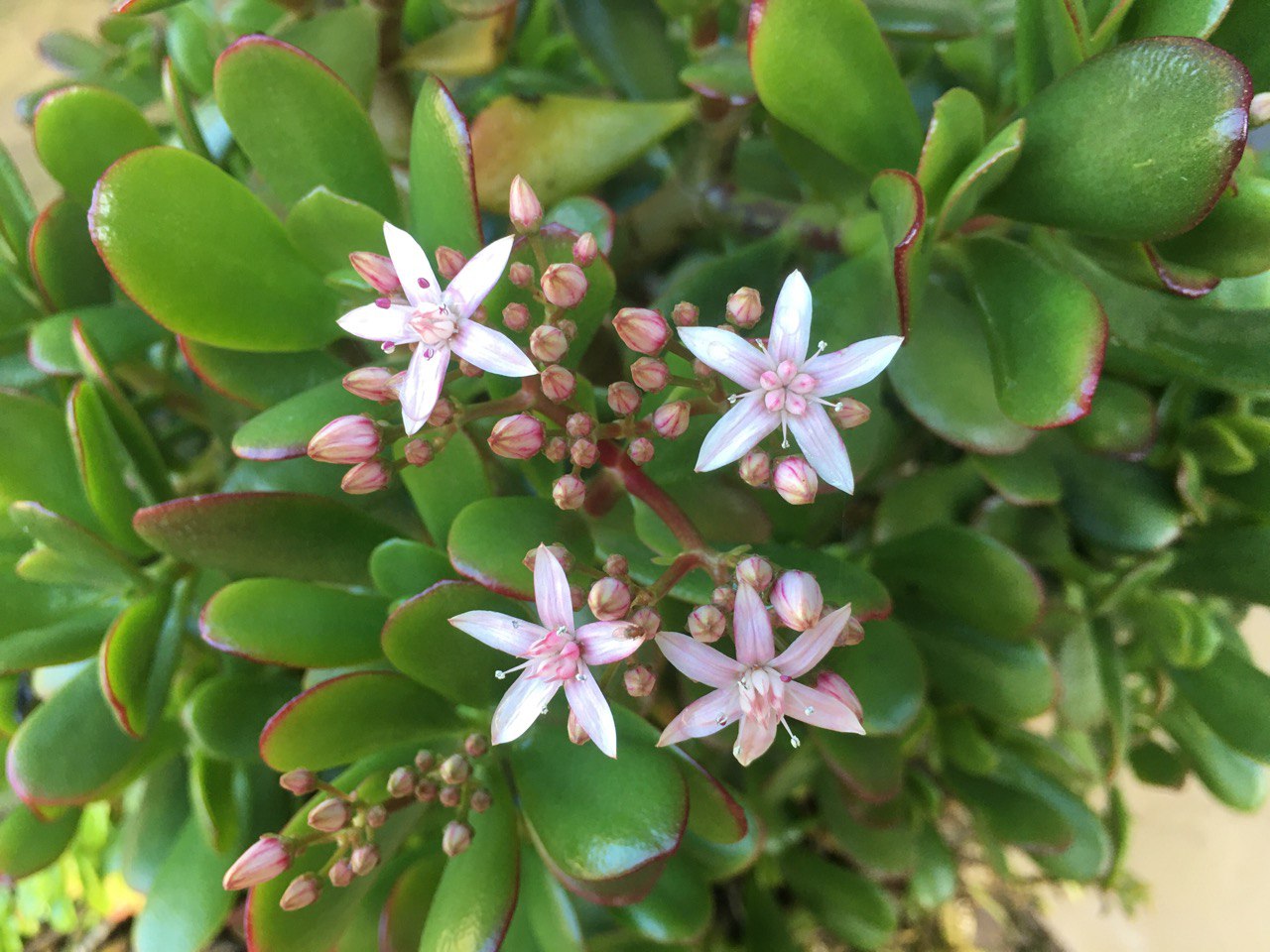
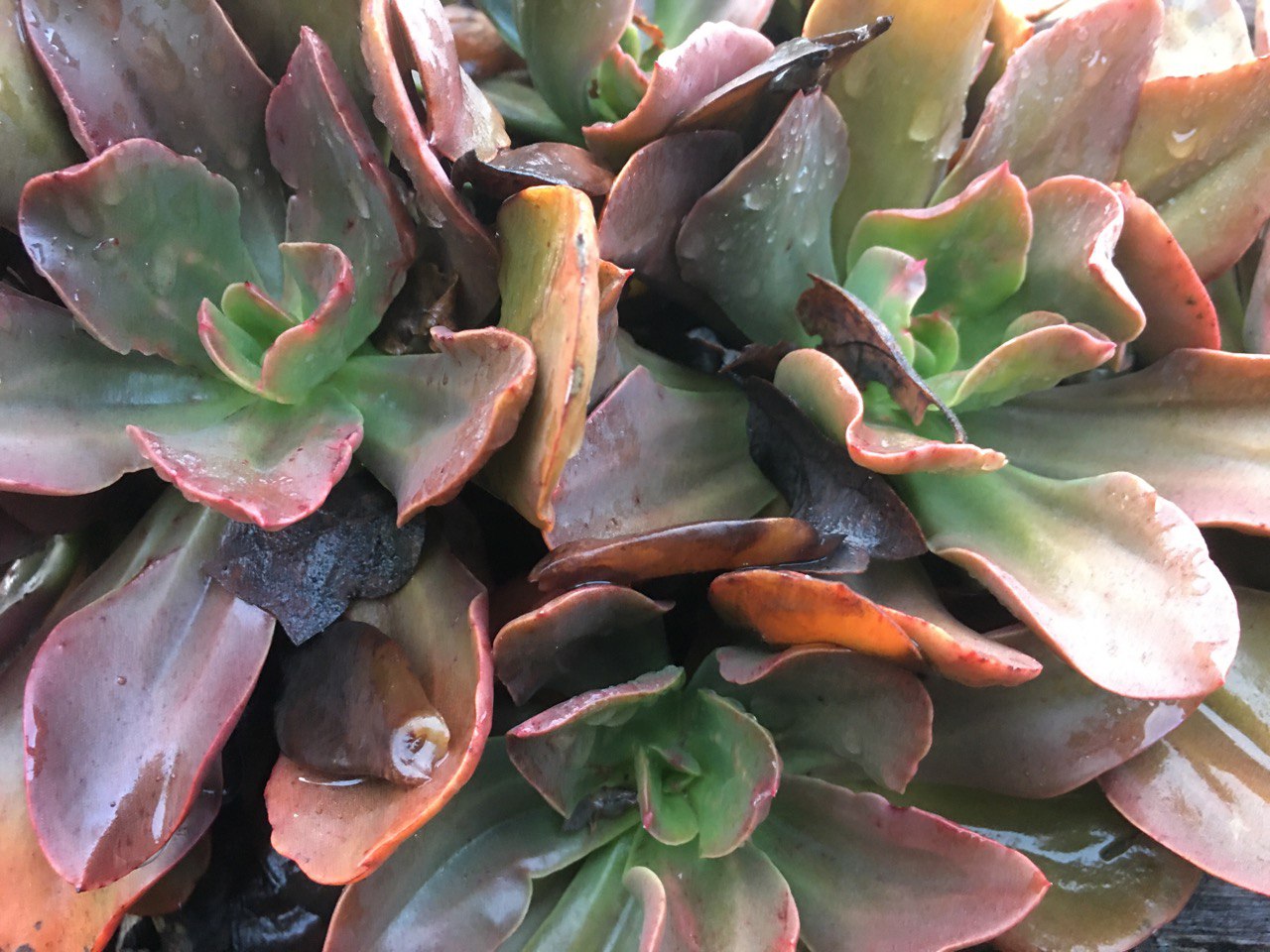
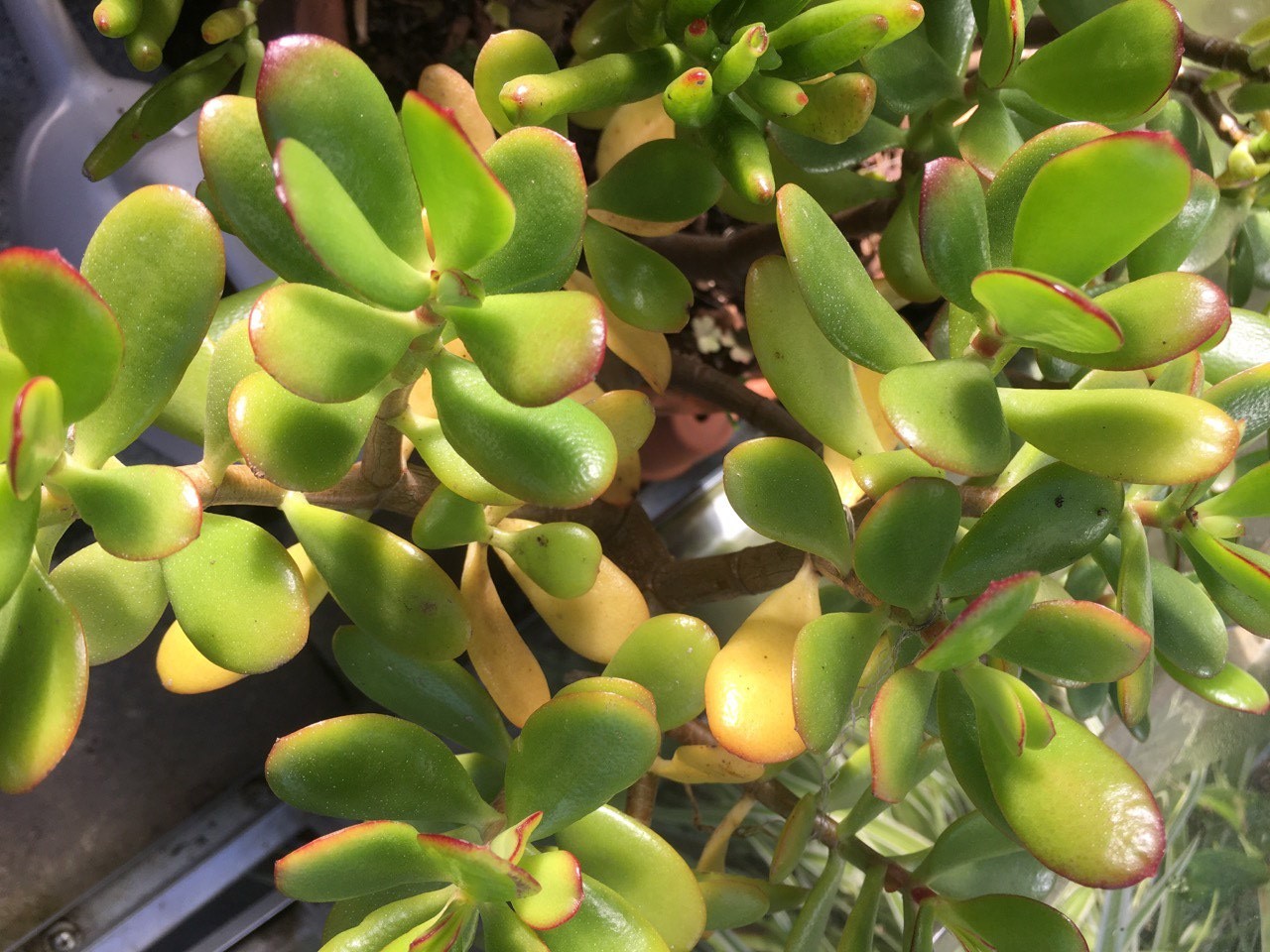
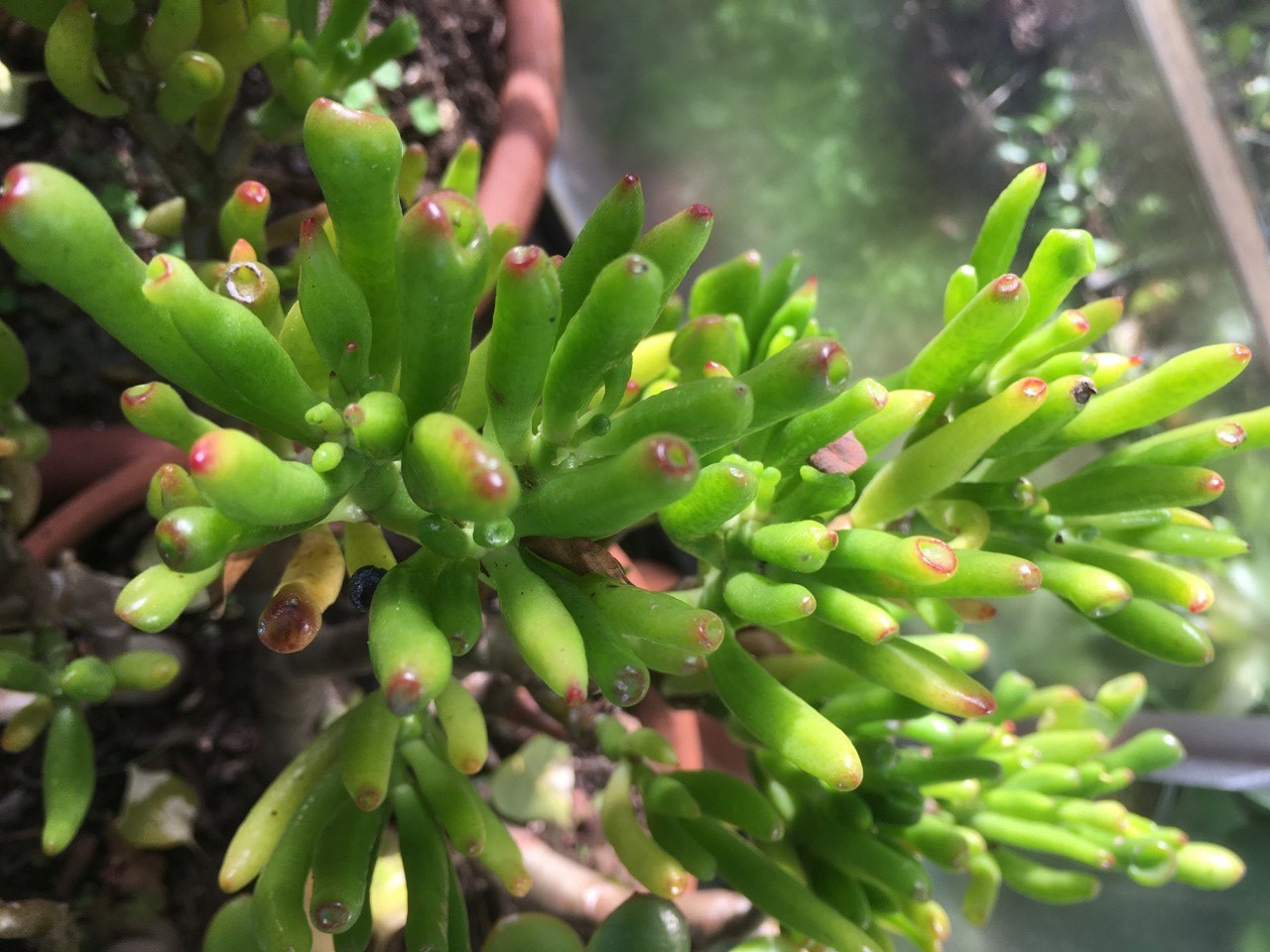
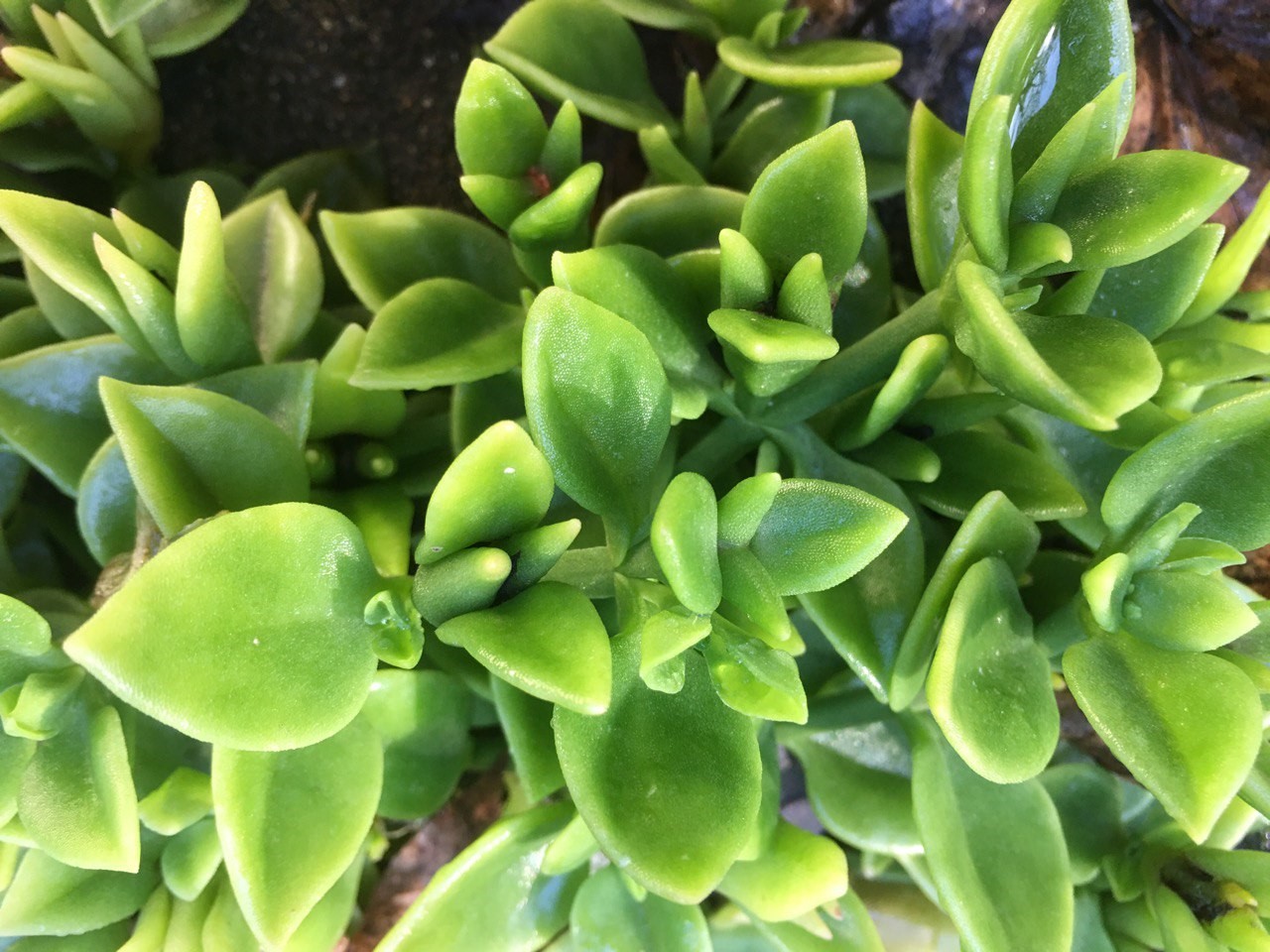
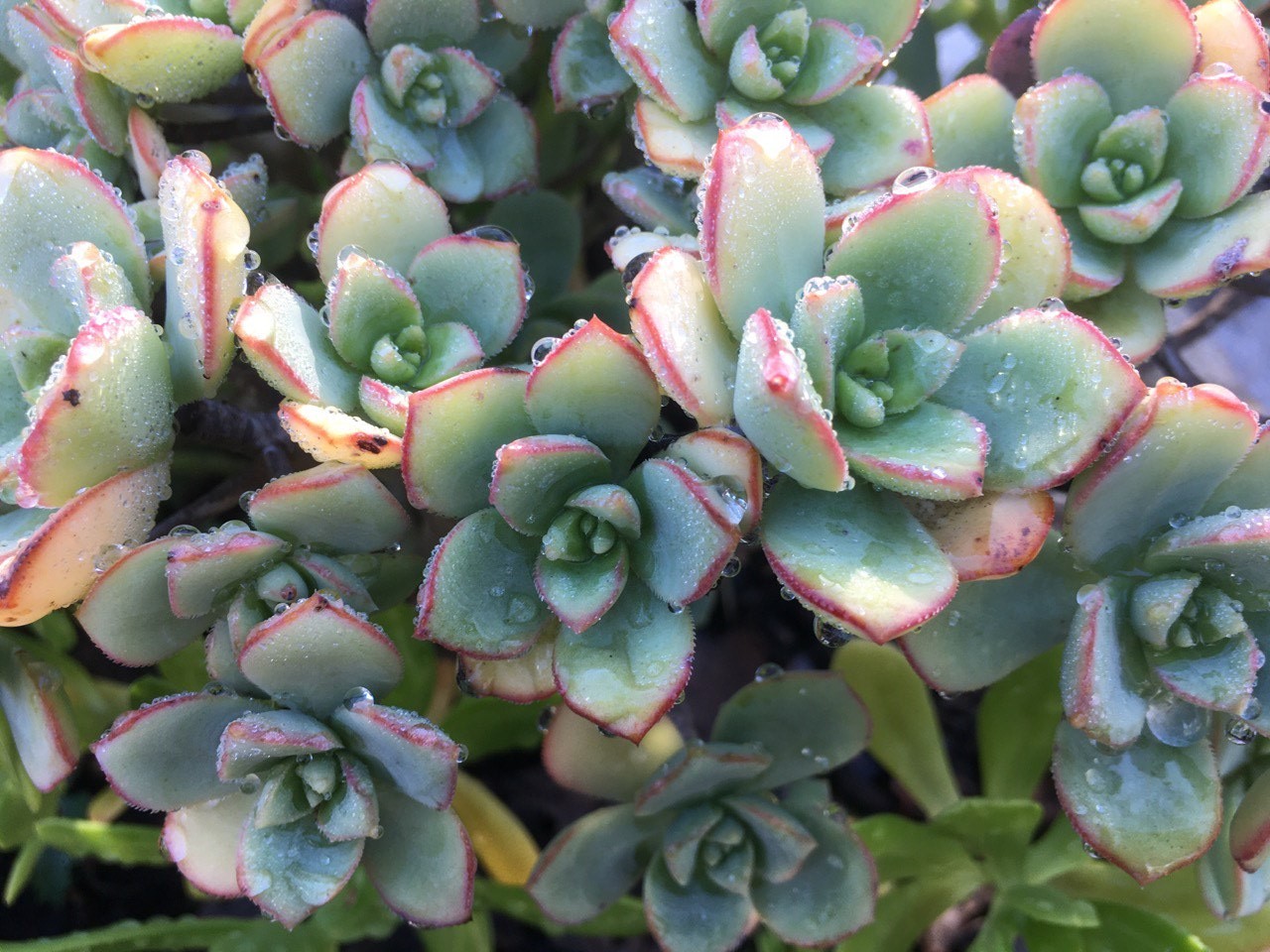
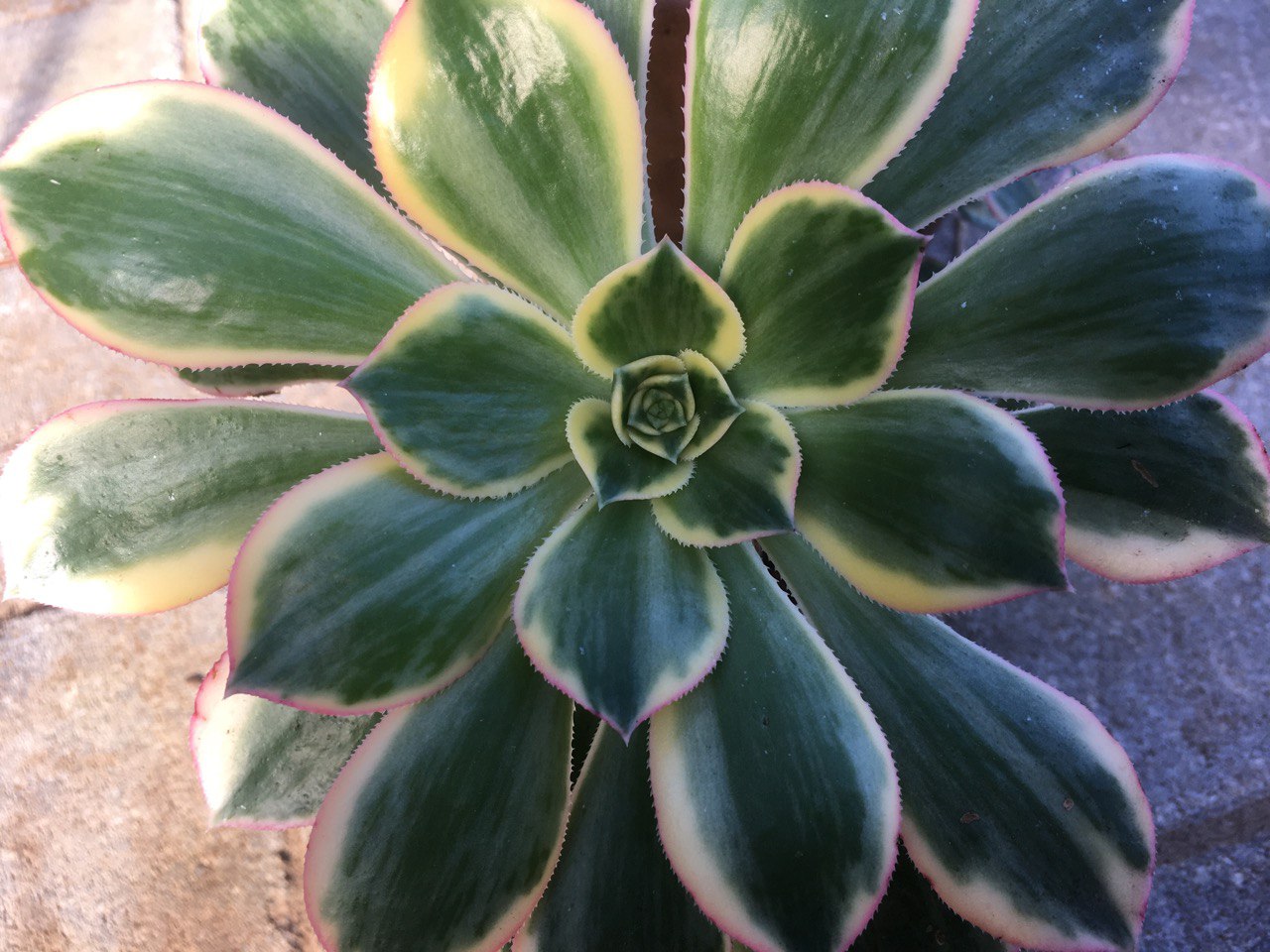
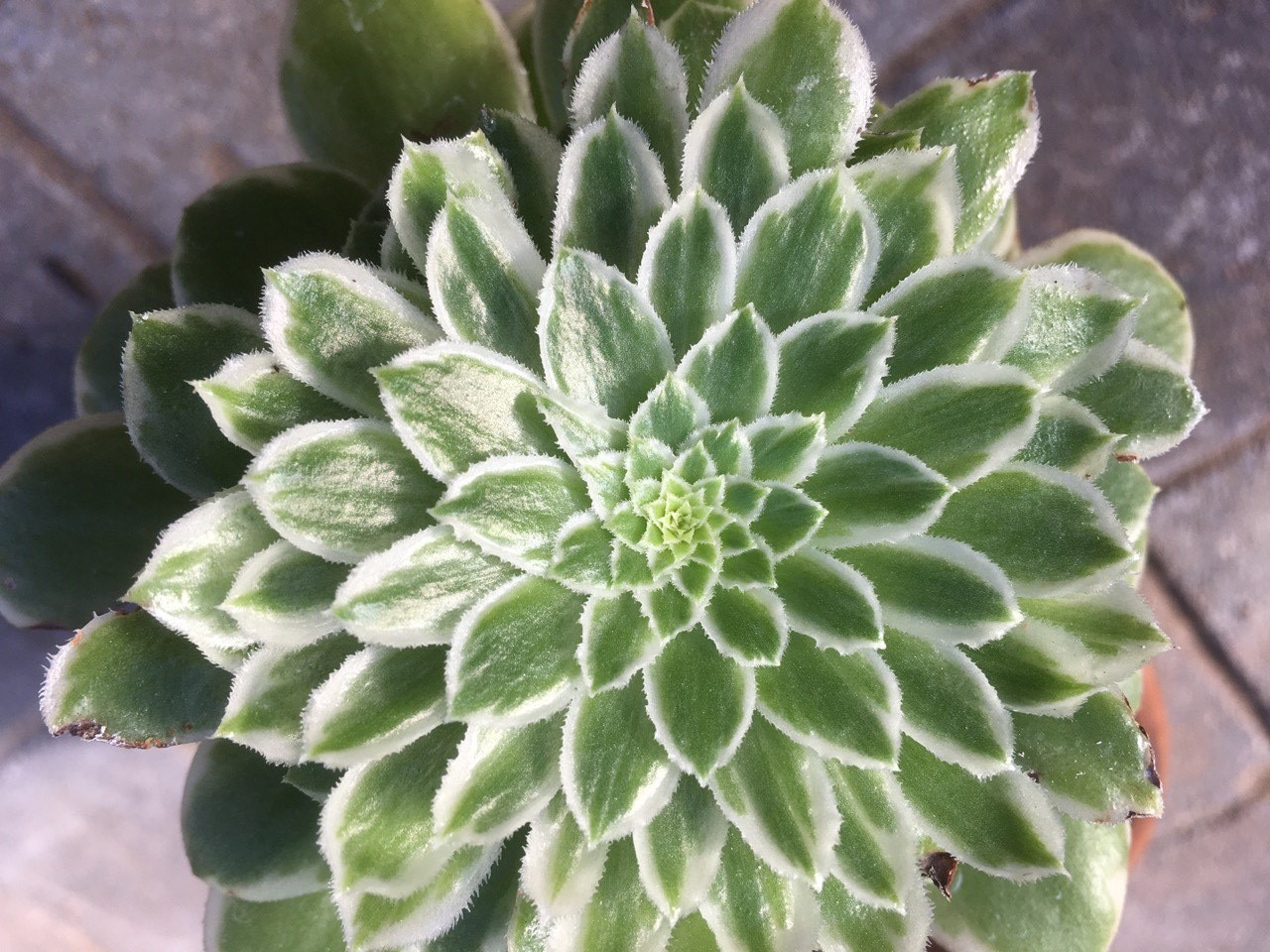
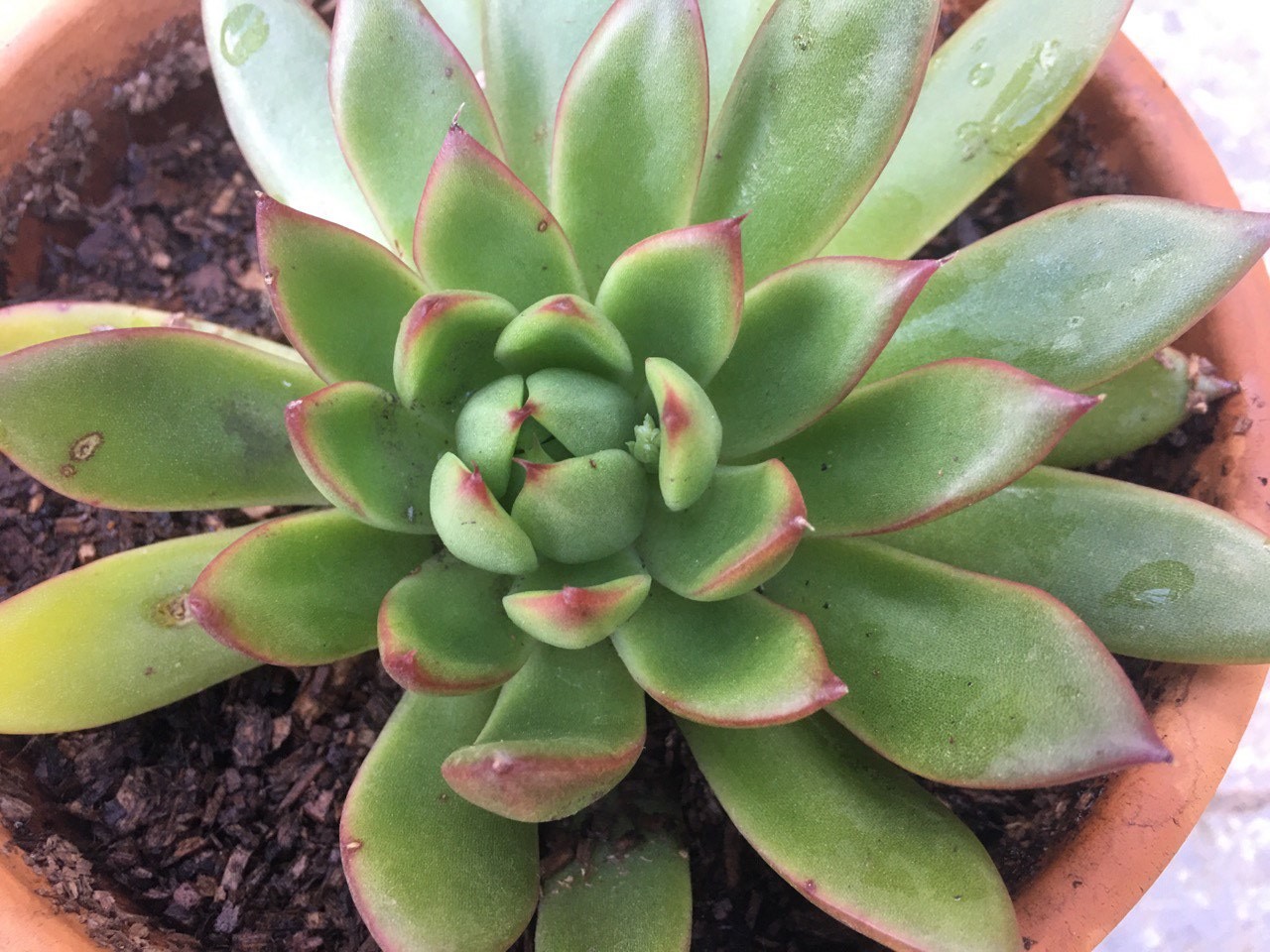
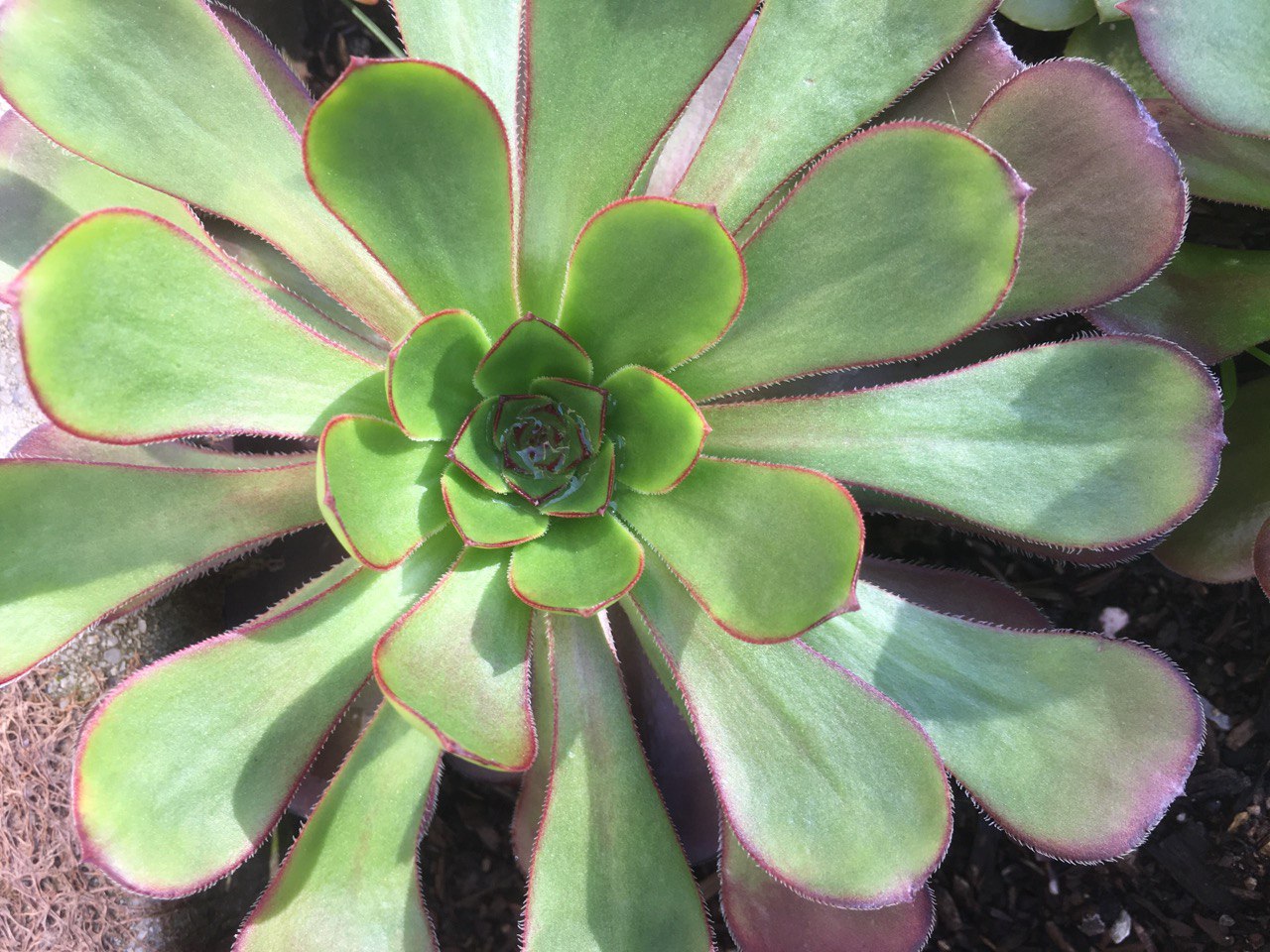
A succulent is a type of plant that has thick, fleshy parts designed to store water. This allows them to survive in arid climates and periods of drought. They typically have thick leaves, stems, or roots that are swollen to retain moisture. Some popular examples of succulents include aloe vera, cacti, jade plants, and echeveria.Succulents are known for their low-maintenance care needs, making them popular as houseplants. They thrive in bright, indirect sunlight and require infrequent watering. Overwatering is a common mistake, as it can lead to root rot.
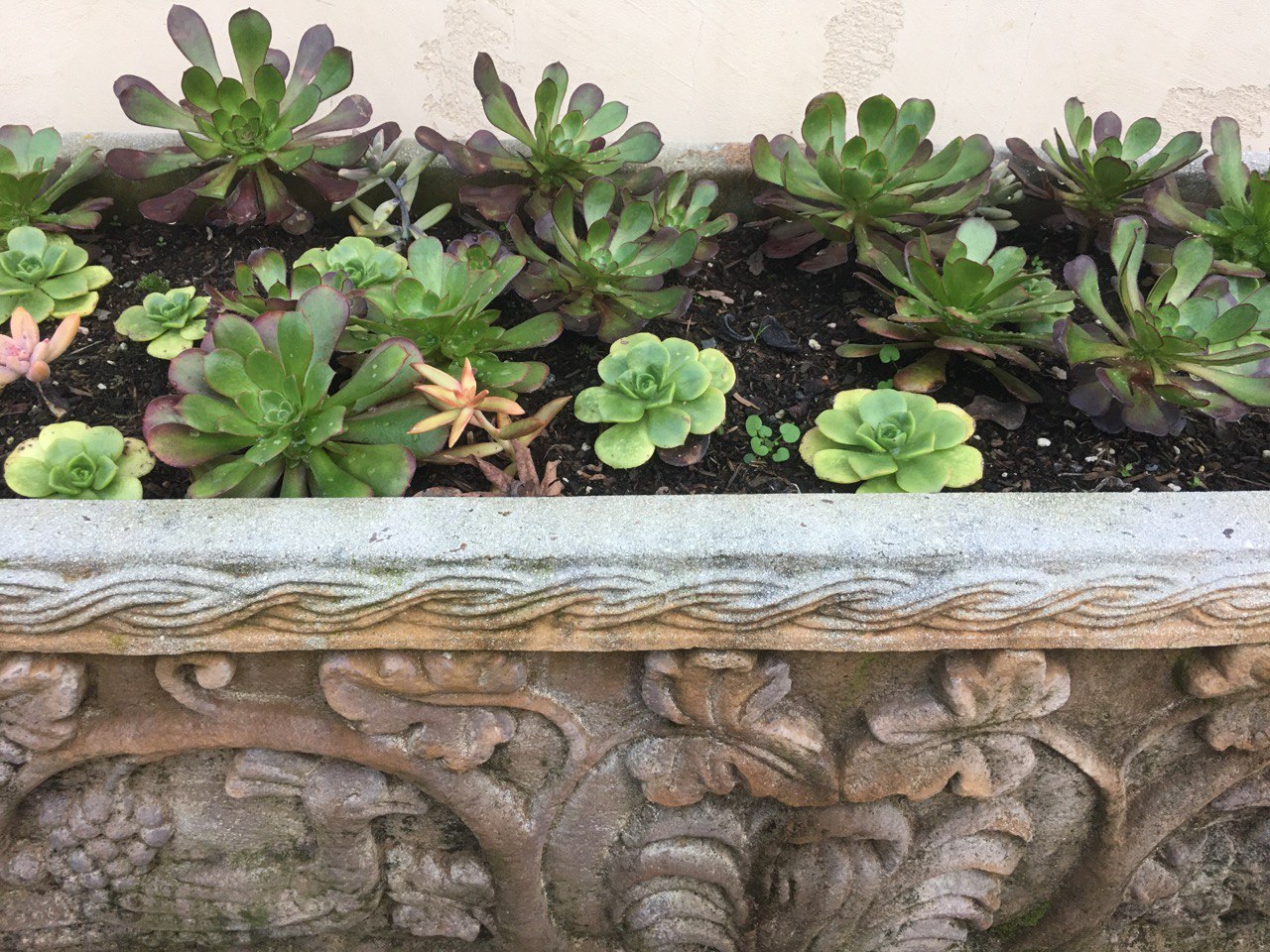
Maintaining succulents is relatively simple because they are low-maintenance plants. However, to keep them healthy and thriving, they do require some specific care. Here's a guide to succulent maintenance:
Light
- Bright Light: Most succulents thrive in bright, indirect light. They need at least 4–6 hours of light per day. A sunny windowsill is often ideal.
- Avoid Direct Sunlight:While succulents need plenty of light, they can suffer from sunburn if exposed to too much direct sunlight, especially in very hot climates.
- Infrequent Watering: One of the most important aspects of succulent care is proper watering. Succulents are drought-tolerant and prefer to dry out completely between waterings.
- Overwatering:Overwatering can lead to root rot. Always ensure the soil is well-draining. If the leaves begin to turn yellow, soft, or mushy, you may be overwatering.
- Well-Drain Soil: Succulents need soil that drains quickly, preventing water from sitting around their roots. Use cactus or succulent-specific soil mixes, or make your own by adding sand, perlite, or pumice to a standard potting mix.
- Avoid Compact Soil: Soil that compacts easily will retain too much moisture, which can harm succulents.
- Ideal Temperature Range: Succulents generally thrive in temperatures between 60–85°F (16–29°C). They prefer warmth, but sudden, extreme changes in temperature can shock them.
- Avoid Frost: Most succulents are not frost-tolerant, so they should be brought indoors if you're in a region where temperatures drop below freezing.
- Light Feeding: Succulents do not require much fertilizer. You can feed them with a diluted, balanced liquid fertilizer once during the growing season (spring and summer).
- Avoid Overfertilizing: Too much fertilizer can burn the roots and stunt growth.
- Repotting Frequency: Succulents typically need to be repotted every 1–2 years, or when they outgrow their pot. Choose a pot that’s slightly larger, ensuring the roots have room to spread.