Pest Management
Gopher:
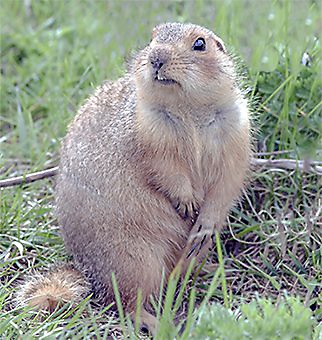
Gophers are small, burrowing mammals that belong to the family Geomyidae. They are known for their extensive tunnel systems that they dig underground in search of food. These tunnels can sometimes cause issues for gardeners or farmers, as gophers might damage crops or lawns.
Here are some key facts about gophers:
Here are some key facts about gophers:
- Diet: Gophers primarily eat plant material, including roots, tubers, and some vegetation. They are herbivores and often feed on underground parts of plants.
- Physical features: Gophers have large, strong front claws for digging, small eyes, and a tough, leathery nose that helps them navigate underground. They also have fur-lined cheek pouches to carry food back to their burrows.
- Burrowing behavior: Gophers are excellent diggers, creating complex tunnel systems that can stretch for hundreds of feet. These tunnels help them stay safe from predators and provide a stable temperature for their nests. Gophers create deeper, more permanent tunnels to store food and live in.
Mole:
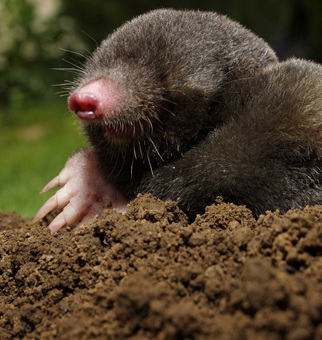
Moles are small, burrowing mammals that are often confused with gophers, but they have some distinct differences. Moles are known for their underground lifestyle, where they dig elaborate tunnel systems in search of food. Moles are carnivores and primarily consume insects and worms.
Moles can be considered pests when their tunneling disrupts lawns, gardens, or agricultural areas. Their tunnels can damage roots and create unsightly mounds of dirt on the surface.
Here are some key facts about moles:
Here are some key facts about moles:
- Diet: Moles primarily feed on insects, worms, and other invertebrates. Their diet mainly consists of earthworms, which they capture while digging through the soil. Moles have a high metabolism and need to eat a lot of food to sustain their energy.
- Physical features: Moles have cylindrical bodies, short legs, and large, powerful forelimbs with sharp claws designed for digging. Their eyes are very small (often covered by fur) and they have poor vision, but they have an excellent sense of touch and can detect vibrations in the soil.
- Burrowing behavior: Moles are expert diggers and create complex networks of tunnels just beneath the surface of the soil. These tunnels allow them to hunt for food and avoid predators. The mounds of dirt that moles push up to the surface are often the most visible signs of their presence. Moles make shallow, temporary tunnels for hunting and escaping predators.
Vole:
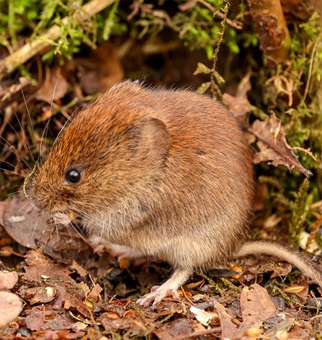
Voles are small, burrowing rodents that belong to the family Cricetidae, and they're sometimes referred to as "field mice" or "meadow mice." While they may look similar to moles or gophers, they have their own distinct characteristics.
Here are some key facts about voles:
Here are some key facts about voles:
- Diet: Voles are herbivores, feeding mainly on grasses, seeds, roots, and the bark of young trees. They may also nibble on garden plants, which is why they are often seen as pests in gardens and agricultural fields. They are known to chew on the bark of trees in the winter, which can damage or kill young trees if the damage is severe enough.
- Physical features: Voles are typically small, with stout bodies, short tails, and small ears. They generally resemble mice but have a more compact body and shorter tails. Their fur is usually brown or grayish, and they have slightly larger eyes than moles, which gives them better vision. Unlike moles, voles have visible eyes and ears, whereas moles have small or non-existent eyes and ears, adapted to their underground lifestyle.
- Burrowing behavior: Voles are also burrowers but unlike moles, they create shallow, complex tunnel systems in grasslands, lawns, and gardens. These tunnels are usually located just under the surface and can be identified by small holes or entrances. Voles do not dig as deeply as moles, and their tunnels are typically more visible, often found in areas with dense vegetation
At DeHotti Farm, we’re dealing with a mole issue, so let's focus on mole control management.
Here are some of the methods that we can try:
- Trapping
Mole traps are one of the most effective ways to capture and remove moles. You’ll need to locate their tunnels and set the traps there. - Types of Traps:
- Scissor traps: These are placed in active tunnels and snap shut when triggered.
- Harpoon traps: These have spikes that penetrate the mole when they move through the tunnel.
- How to Use:
- Find the mole's active tunnels by looking for raised ridges in the soil or soft areas.
- Set traps directly in the tunnels, making sure the tunnel is undisturbed when you place the trap.
- Repellents
Mole repellents can help drive moles away by making the environment uncomfortable for them. These are typically made from natural ingredients like castor oil or other strong-smelling substances. - Castor Oil-Based Repellents: These are some of the most commonly used, as moles dislike the smell. You can apply a castor oil-based repellent to your lawn or garden.
- Essential Oils: Some people use peppermint or garlic oils diluted with water and spray them around mole activity areas.
- Ultrasonic Devices
Ultrasonic mole repellers emit high-frequency sounds that moles find irritating. These devices can be placed in the ground and are a more humane way of trying to drive moles away. - Install ultrasonic devices in your yard, near areas where moles are active.
- While effectiveness varies, these can sometimes help in deterring moles.