Persimmon
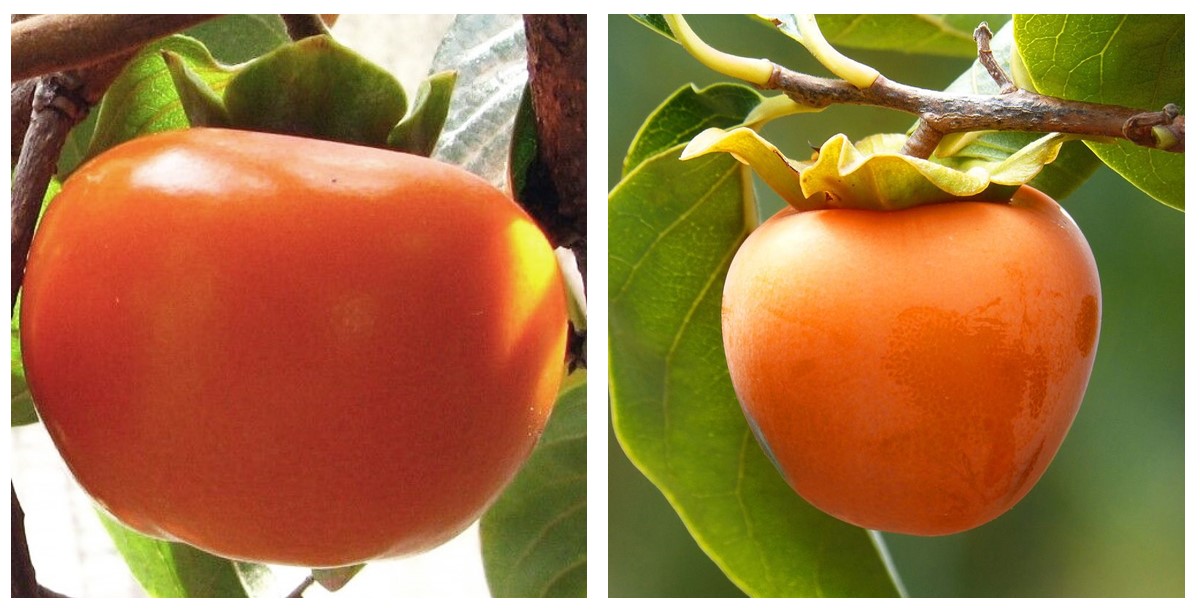
Persimmon is a sweet fruit with orange color. It is native to East Asia but is now grown in many parts of the world. Persimmons are popular for their unique, honey-like sweetness and their smooth, slightly tangy flavor.In our farm we have 2 types of persimmon: Fuyu and Hachiya .
- Fuyu Persimmon (non-astringent): This variety is the most commonly consumed and can be eaten while still firm, much like an apple. It has a sweet, mild flavor and is often eaten raw in salads, desserts, or just as a snack.
- Hachiya Persimmon (astringent): This variety is more astringent when unripe, meaning it has a very bitter taste and is unpleasant to eat until fully ripe. When ripe, it becomes soft and jelly-like, with a rich, sweet flavor that is perfect for making desserts, jams, or dried persimmons (hoshigaki).
Hoshigaki
Hoshigaki Refers to dried persimmons, a traditional Japanese treat made from persimmons (Kaki or Hachiya). The process of making hoshigaki involves carefully drying the fruit to preserve it while intensifying its natural sweetness and flavor.
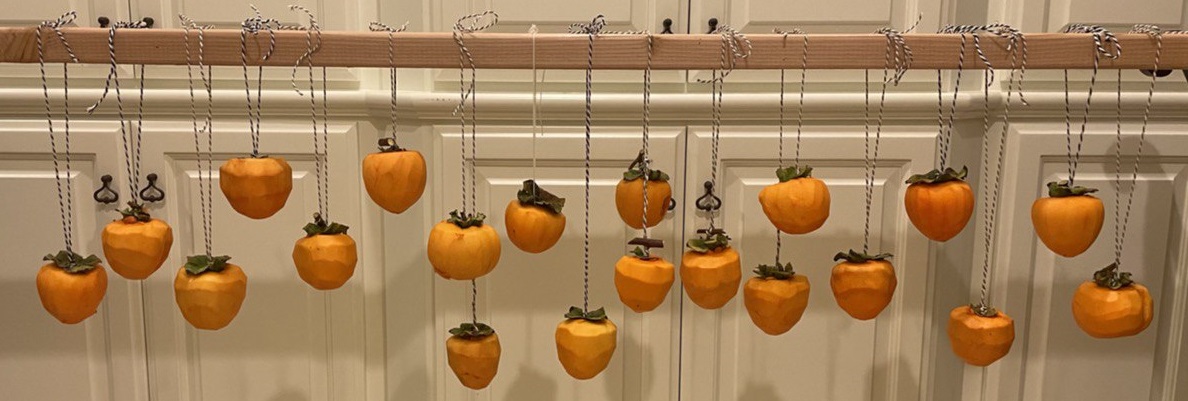
To make hoshigaki, ripe persimmons (usually astringent varieties) are peeled and hung in a cool, dry place to dry naturally, sometimes for several weeks.
After the first week they need to be massaged every day. This is a crucial task because it helps break down the fruit's pulp, evenly distribute its natural sugars to the surface.
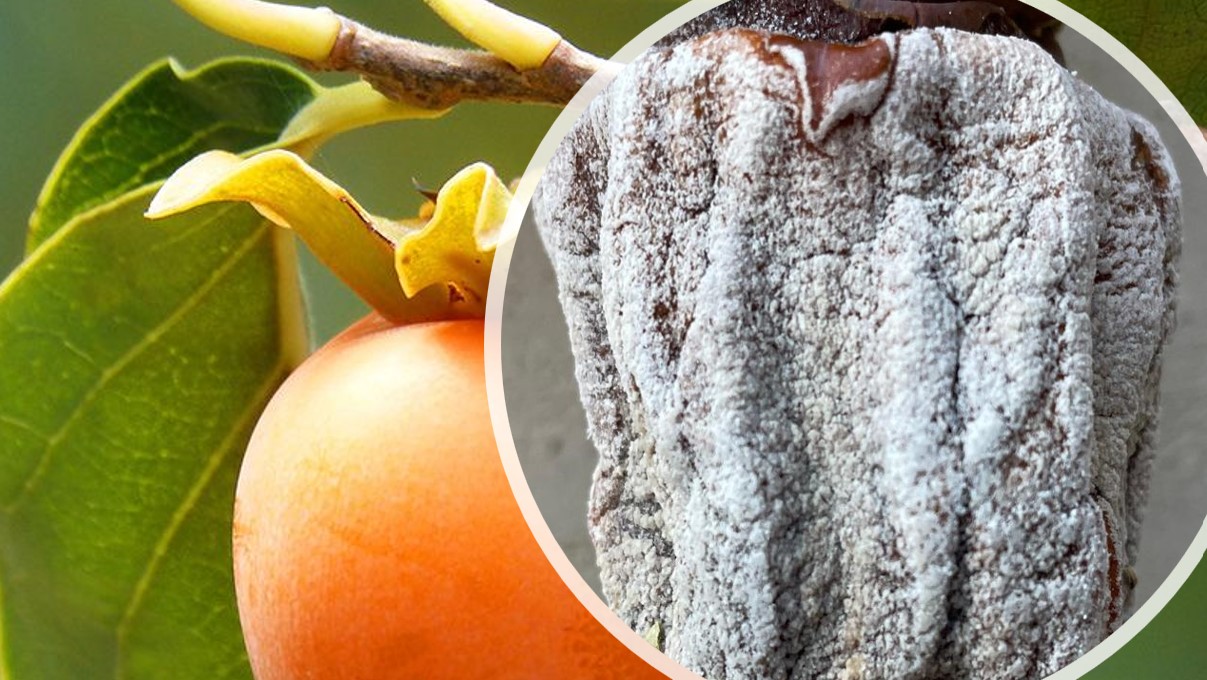
My wife's interest in hoshigaki ended up to try it for the first time. She started the process on November 18th 2024, photo above, and the result after 7 weeks, photo below.
During the drying process, the fruit becomes wrinkled, and its flesh becomes dense and sweet with a chewy texture. The dried persimmons are often enjoyed as a snack or used in cooking and desserts. Some hoshigaki may also develop a white powdery coating from the sugar crystallizing during the drying process.
Hoshigaki is a beloved seasonal treat, especially during the colder months in Japan, and is considered a symbol of autumn and winter.
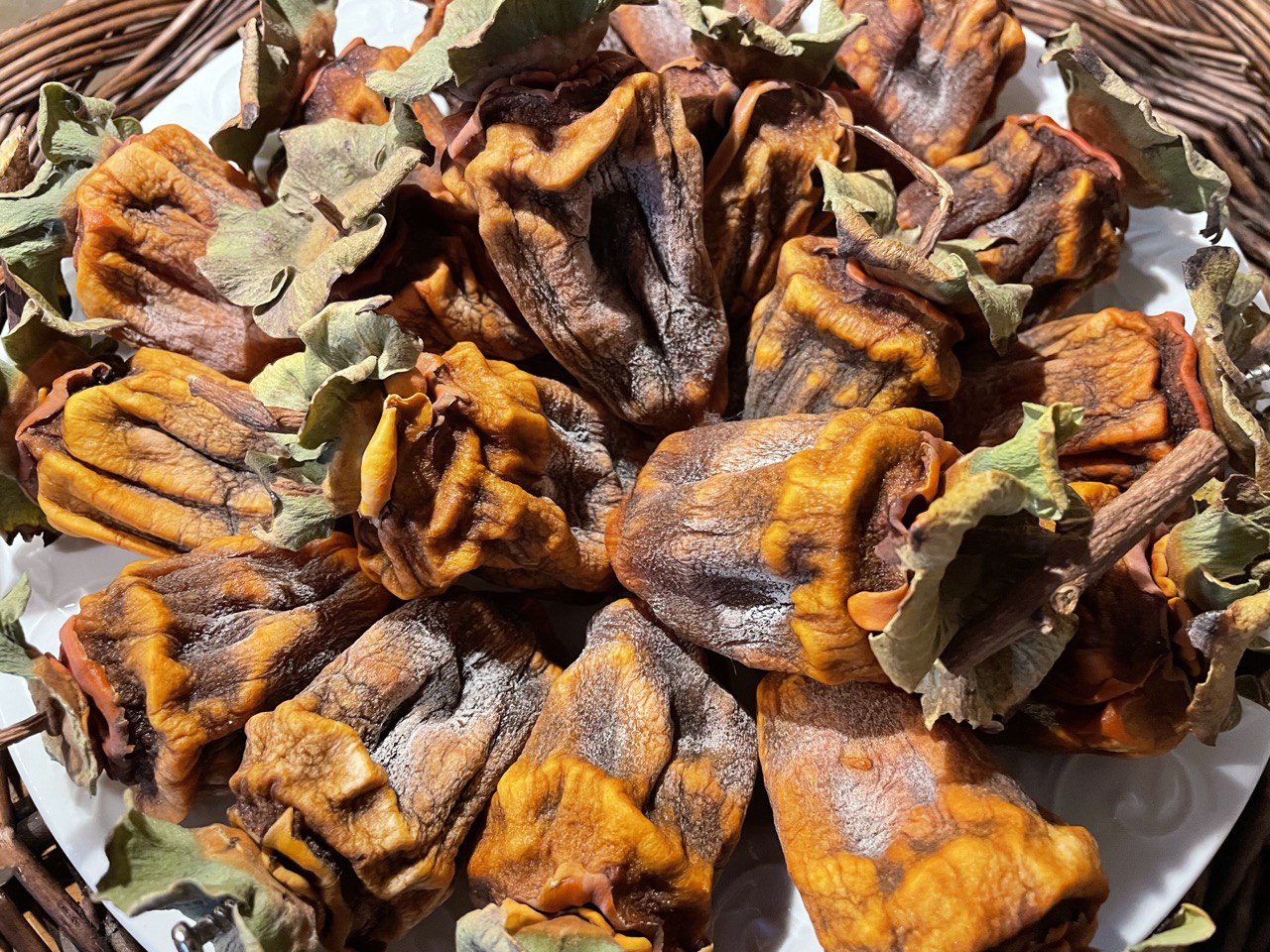
Dried persimmons are a delicious and nutritious treat made by drying the fruit of the persimmon tree, typically the Fuyu or Hachiya variety. The drying process enhances the natural sweetness of the fruit, making it chewy and flavorful, and it also helps preserve the persimmons for long-term storage.
Dried persimmons are rich in fiber, antioxidants, and vitamins, particularly vitamin A and C. They also contain minerals such as potassium and iron. They are low in fat and a good source of natural sugars, which can provide a quick energy boost.
Dried persimmons should be stored in a cool, dry place, ideally in an airtight container to prevent them from becoming overly sticky or absorbing moisture.
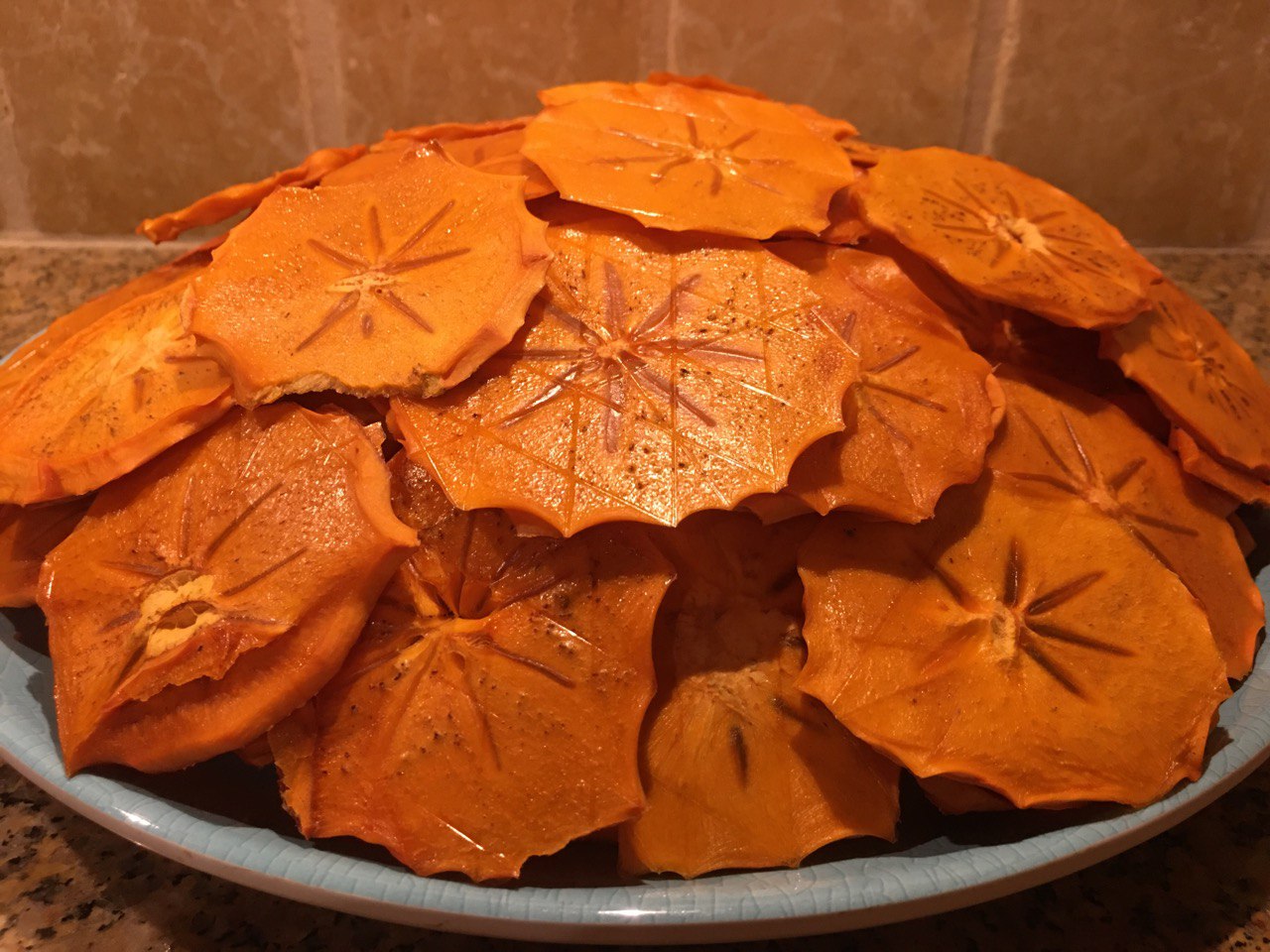
Air-drying is another technique where the persimmons are carefully stored in a well-ventilated oven, with heat and a gentle fan to facilitate the drying process.
For a persimmon tree to set good fruit next season, pruning needs to balance removing excess growth while preserving the right wood that produces flowers. Here’s how you should approach it:
Key Points About Persimmon Fruiting Wood
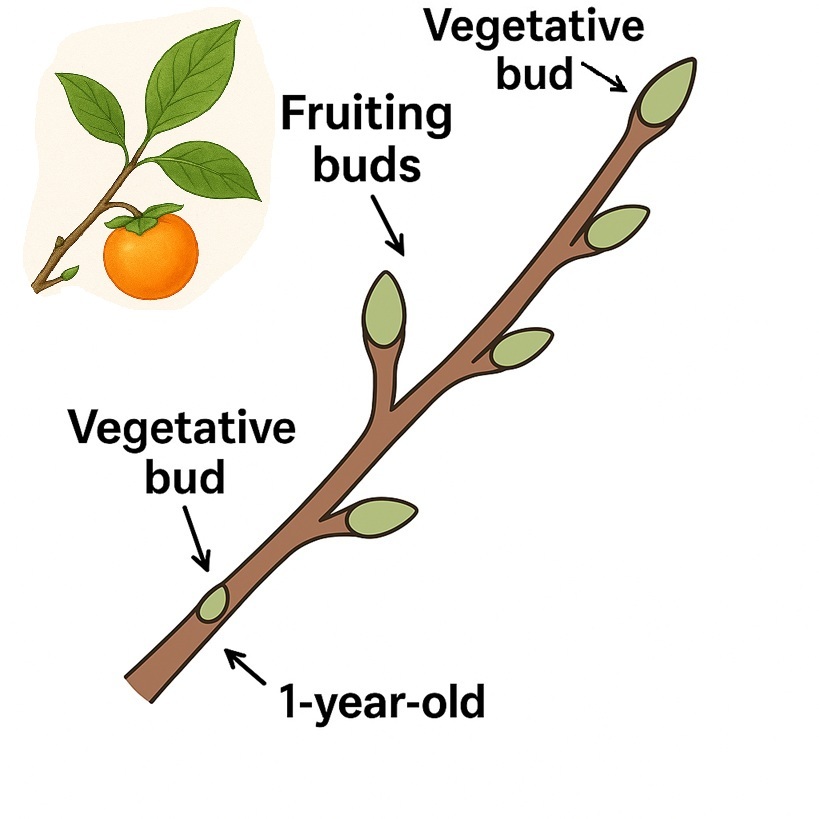
- Persimmons bear flowers and fruit on the current season’s new shoots, which sprout from 1-year-old branches (last year’s growth).
- If you cut away too much of this 1-year-old wood, you reduce fruiting potential.
- Too little pruning makes the tree dense, reducing sunlight and airflow, which lowers fruit set and fruit quality.
- Prune in late winter or very early spring (when the tree is dormant, before buds swell).
- Remove dead, diseased, or crossing branches first.
- Thin crowded branches to allow sunlight into the canopy—persimmons need good light for flower buds to form.
- Maintain an open shape (modified central leader or vase shape) so energy is distributed evenly and air circulates.
- Avoid heavy pruning—persimmons don’t like being cut back hard. Severe cuts make them push lots of leafy shoots instead of fruiting wood.
- Buds near the middle to upper part of the shoot (toward the tip) are the ones that most often develop flowers and fruit.
- Buds at the very base of the 1-year-old shoot are usually vegetative (they make leaves and shoots, not flowers).
- The very tip bud often just extends the shoot (vegetative), though just behind the tip you can get flower buds.
- When shortening a branch, avoid cutting off too much of the middle/upper section of last year’s growth, because that’s where next year’s flowers will come.
- Keep those pencil-thick shoots intact, especially the upper half, to maximize fruiting potential.