Homemade Kefir
Kefir is a fermented drink, traditionally made from cow, goat, or sheep’s milk, using kefir grains. These grains aren’t actual cereal grains but small clumps of bacteria and yeast bound together in proteins and polysaccharides. The grains resemble small cauliflower-like clusters and are reusable. When added to milk, they ferment the lactose into lactic acid, carbon dioxide, and small amounts of alcohol, creating a tangy, slightly fizzy drink. Milk kefir is one of the most naturally probiotic-rich foods on the planet.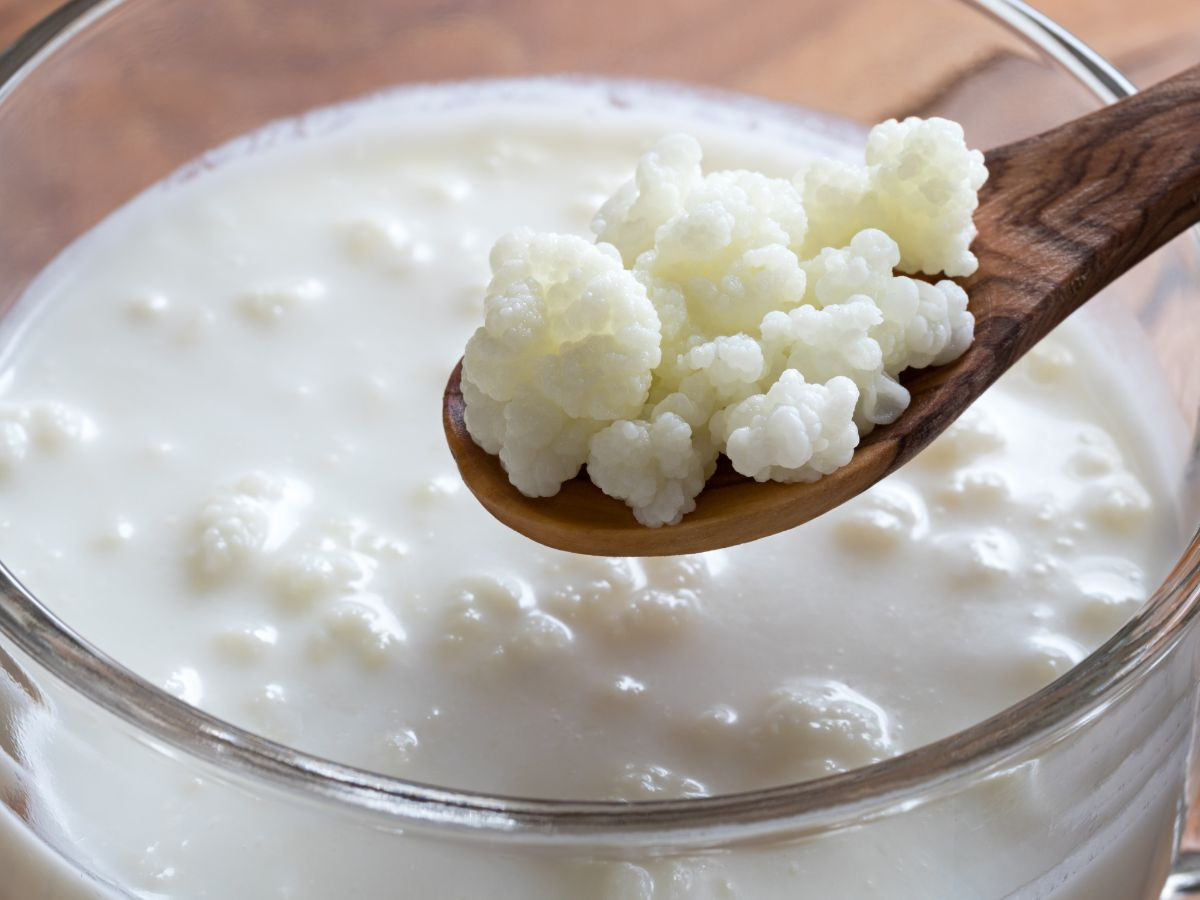
 Probiotics are live microorganisms that, when consumed in adequate amounts, provide health benefits by supporting a balanced and healthy gut microbiome.
Different probiotic strains offer different health benefits, and their effectiveness can depend on the individual and the condition being targeted.
Probiotics are live microorganisms that, when consumed in adequate amounts, provide health benefits by supporting a balanced and healthy gut microbiome.
Different probiotic strains offer different health benefits, and their effectiveness can depend on the individual and the condition being targeted.
Kefir can host 30-50 strains of bacteria and yeasts, such as:
- Lactobacillus kefiranofaciens
- Lactobacillus kefiri
- Lactobacillus casei
- Lactobacillus acidophilus
- Bifidobacterium bifidum (helps digestion and immunity)
- Acetobacter spp. (contributes to flavor and preservation)
- Beneficial yeasts like Saccharomyces kefir
- Candida kefir (aid in digestion and maintaining gut flora balance)
Probiotic Benefits of Kefir
- Gut Health & Digestion
- Supports a balanced microbiome by replenishing good bacteria.
- Helps with irregular bowel movements and may reduce bloating.
- Can improve lactose digestion - the microbes break down lactose, so many lactose-intolerant people tolerate kefir better than milk
- Immunity Support
- Contains probiotics that enhance the body’s immune response.
- May reduce inflammation in the gut lining.
- Has antimicrobial compounds that fight harmful pathogens.
- Nutrient Absorption
- Improves absorption of vitamins and minerals, especially calcium and B vitamins.
- General Wellness
- May play a role in mental health via the gut–brain axis (probiotics are linked to reduced anxiety and improved mood in some studies).
- Promotes bone health thanks to calcium, vitamin K2, and bioactive peptides formed during fermentation.
At DeHotti Farm, the following method is employed for kefir production:
Ingredients:
- 2 cups milk (cow, goat, or sheep; whole milk works best)
- 1–2 tablespoons kefir grains (the live culture)
- A clean glass jar (quart-size Mason jar works well)
- A plastic or wooden spoon (avoid metal, as it can stress the grains)
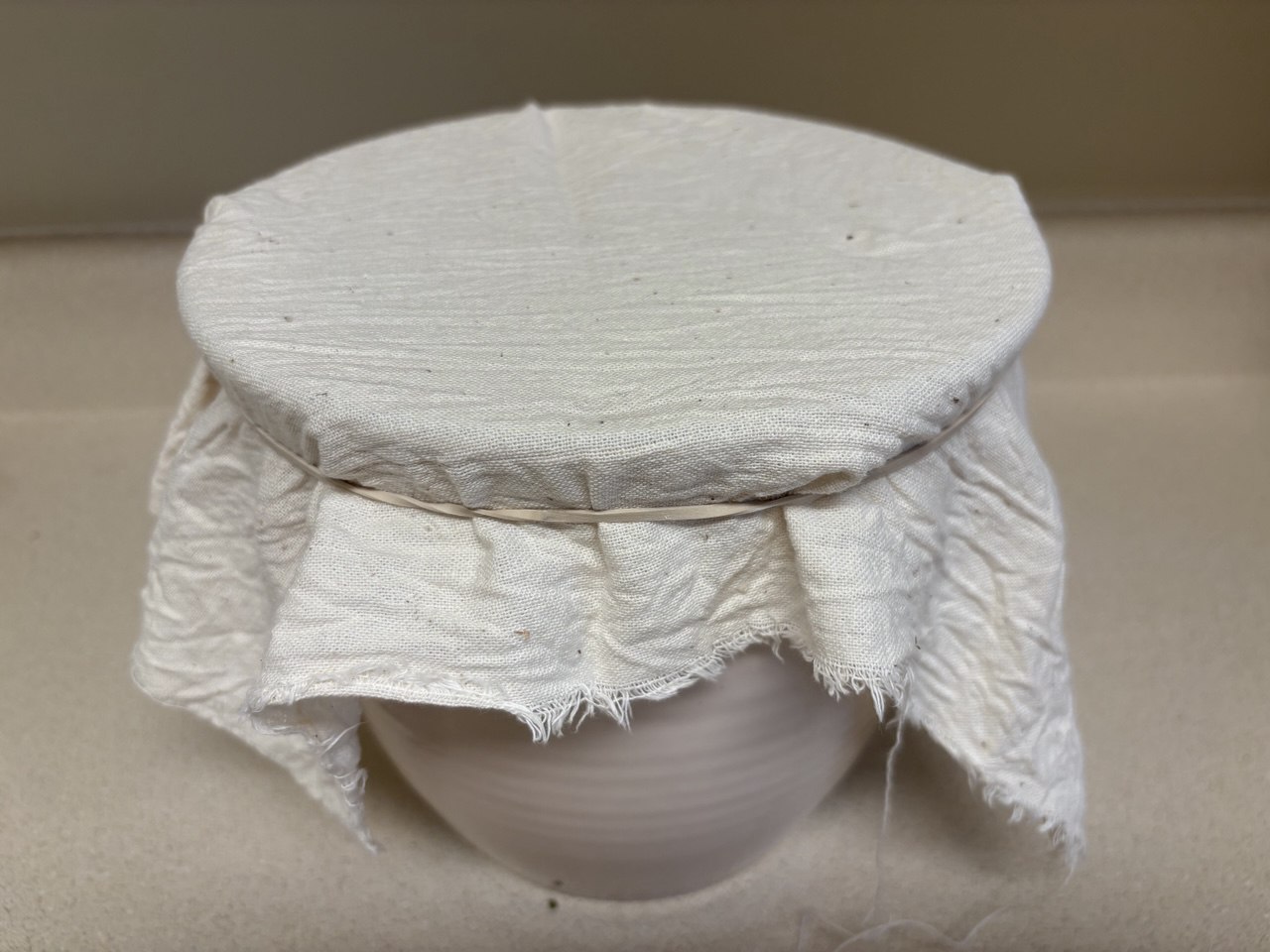
- A breathable cover (clean cloth + rubber band)
- A plastic mesh strainer
Steps:
- Combine milk + grains
- Place kefir grains in the jar.
- Add the milk (room temperature is best).
- Ferment
- Cover the jar with the breathable cover.
- Leave at room temperature (65–75°F / 18–24°C) for 12–36 hours, depending on how tangy you like it.
- Strain the kefir
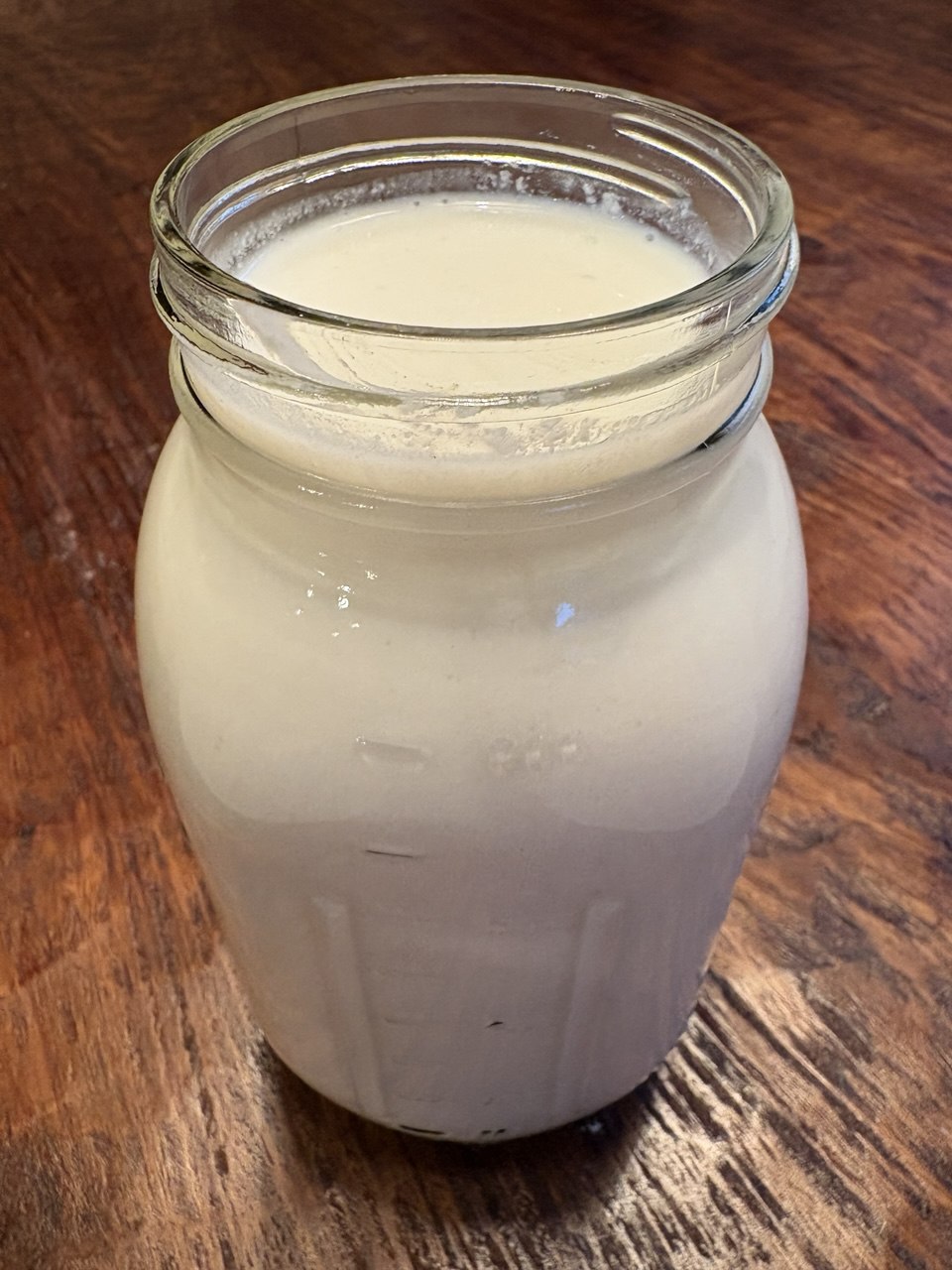
- When it thickens and smells tangy, pour it through the plastic strainer into another jar or bottle.
- The liquid is your drinkable kefir.
- The grains remain in the strainer — reuse them for your next batch.
- Store & enjoy
- Refrigerate the finished kefir. It will keep fermenting slowly in the fridge, so flavor may continue to develop.
- Drink plain, or blend into smoothies, salad dressings, or overnight oats.
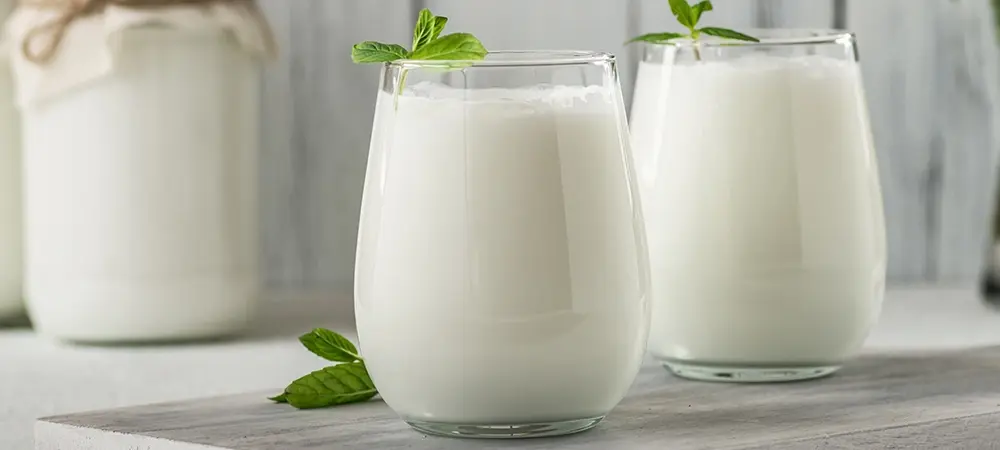
- Mix with water to make Ayran (Doogh), and enhance the taste with dried dill or mint if desired.
Caring for grains:
- If you need a break, place grains in a jar of milk in the fridge (good for about a week).
- Change the milk if you’re not using them or they will starve.
- Kefir grains are living organisms, and will gradually grow.
- For longer storage, freeze them in milk.
As a second fermentation, after straining, leave the kefir at room temp another 6–24 hours with fruit, herbs, or a little honey. This boosts probiotics and flavor.
Avoid boiling, heat above ~120°F (50°C) kills beneficial bacteria.
General Recommendations:
- For gut health & daily probiotic support
- 1 cup (200–250 ml) per day is sufficient for most adults.
- Can be taken with meals or on an empty stomach.
- For digestive issues or to repopulate gut bacteria
- Some people start with ½–1 cup twice a day for 1–2 weeks, then reduce to once daily.
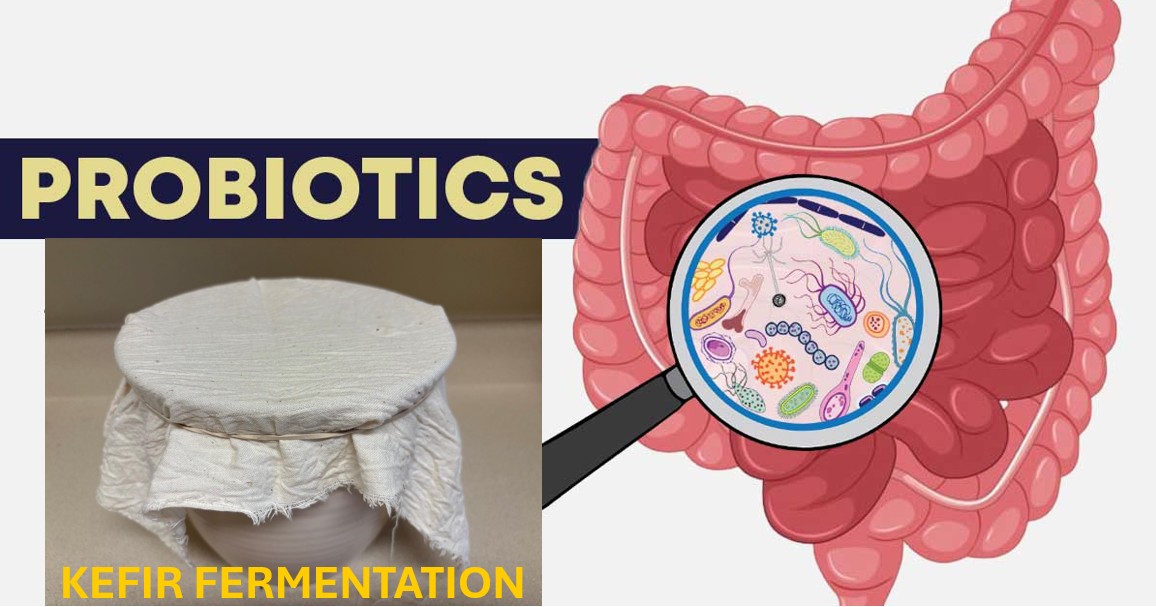
Fermentation in food making is when good bacteria or yeast eat the natural sugars in food and change them into helpful things like acids or gas. This makes the food last longer, taste tangy, and often become healthier for your digestion.
Ways to Consume Kefir:
- Drink it Plain
- Simply pour 1 cup (200–250 ml) and drink it as is.
- Best taken morning on an empty stomach for gut health, or with meals to aid digestion.
- With Fruits or Smoothies
- Blend kefir with fresh or frozen fruits (berries, banana, mango) for a tasty smoothie.
- Adds natural sweetness and extra nutrients while keeping probiotics active.
- In Cooking & Baking
- Use kefir as a substitute for yogurt, buttermilk, or milk in pancakes, muffins, or salad dressings.
- Heat gently; avoid boiling to preserve most probiotics.
- As a Cold Soup or Drink
- Make Ayran (Doogh): mix kefir with water, salt, and optional herbs like dill or mint.
- Refreshing, hydrating, and probiotic-rich.
- Over Cereal or Oats
- Pour kefir over granola, muesli, or overnight oats instead of milk or yogurt.
- Add a drizzle of honey, a pinch of cinnamon, or vanilla extract to improve taste without destroying probiotics.
Understanding Contamination Risks in Kefir Fermentation:
- Kefir grains are powerful: They contain a rich mix of bacteria and yeasts (30+ strains) that form a strong “community.” This makes it hard for harmful microbes to take over.
- Acidic environment: As kefir ferments, it gets sour. The acidity naturally prevents most bad bacteria from surviving.
- Protective biofilm: The grains themselves have a coating of good microbes that defend against invaders.
How many probiotics are in kefir?
The number of probiotics in kefir isn’t fixed — it depends on the source of the grains, the milk used, and fermentation conditions. Factors Influencing Probiotic Composition are:
- Origin and microbial diversity of the kefir grains – different grains harbor slightly different microbial consortia.
- Milk type and composition – cow, goat, sheep, or plant-based substrates influence microbial growth.
- Fermentation time and temperature – longer fermentation generally increases microbial load but can also shift balance between lactic acid bacteria, acetic acid bacteria, and yeasts.
- Oxygen availability – affects yeast and acetic acid bacteria activity.
- Storage conditions – refrigeration slows microbial activity but preserves viability for longer periods.
- Hygiene and handling practices – contamination or repeated washing of grains can alter microbial diversity.