Apis Mellifera
Apiculture
Beekeeping History
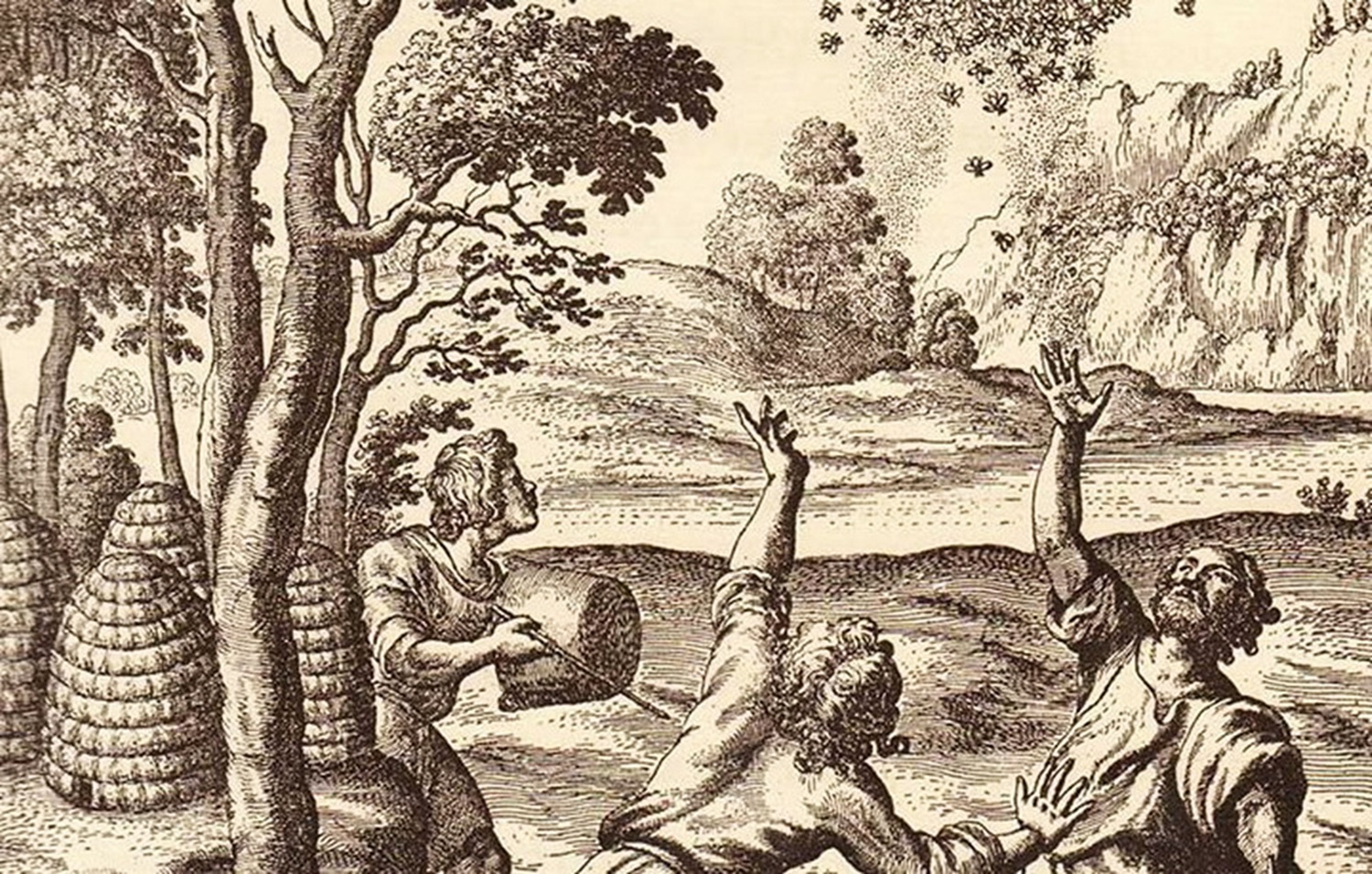
Ancient Egyptians are among the first known cultures to practice beekeeping. They kept bees in clay or wooden hives, and honey was used in religious rituals, as well as for food, medicine, and embalming mummies.
Honeybee Anatomy
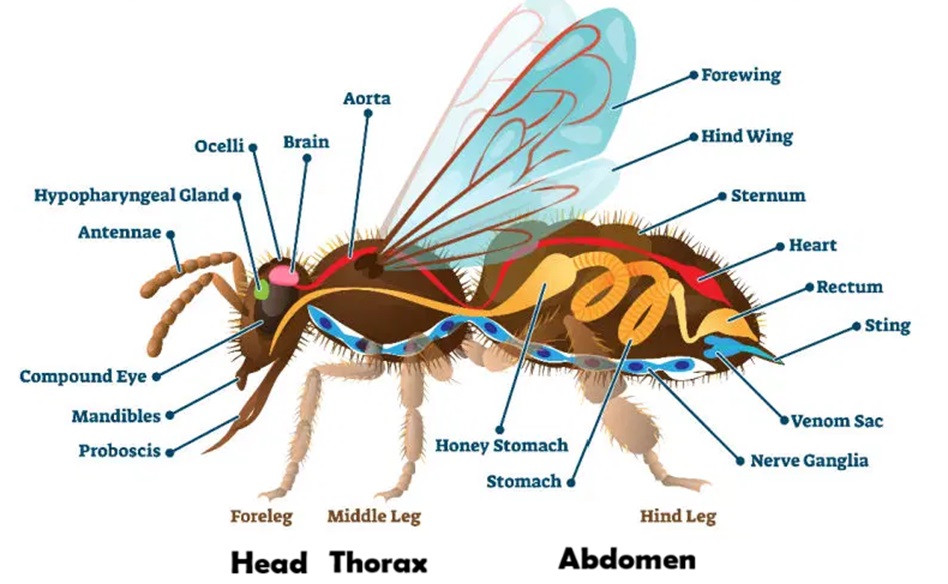
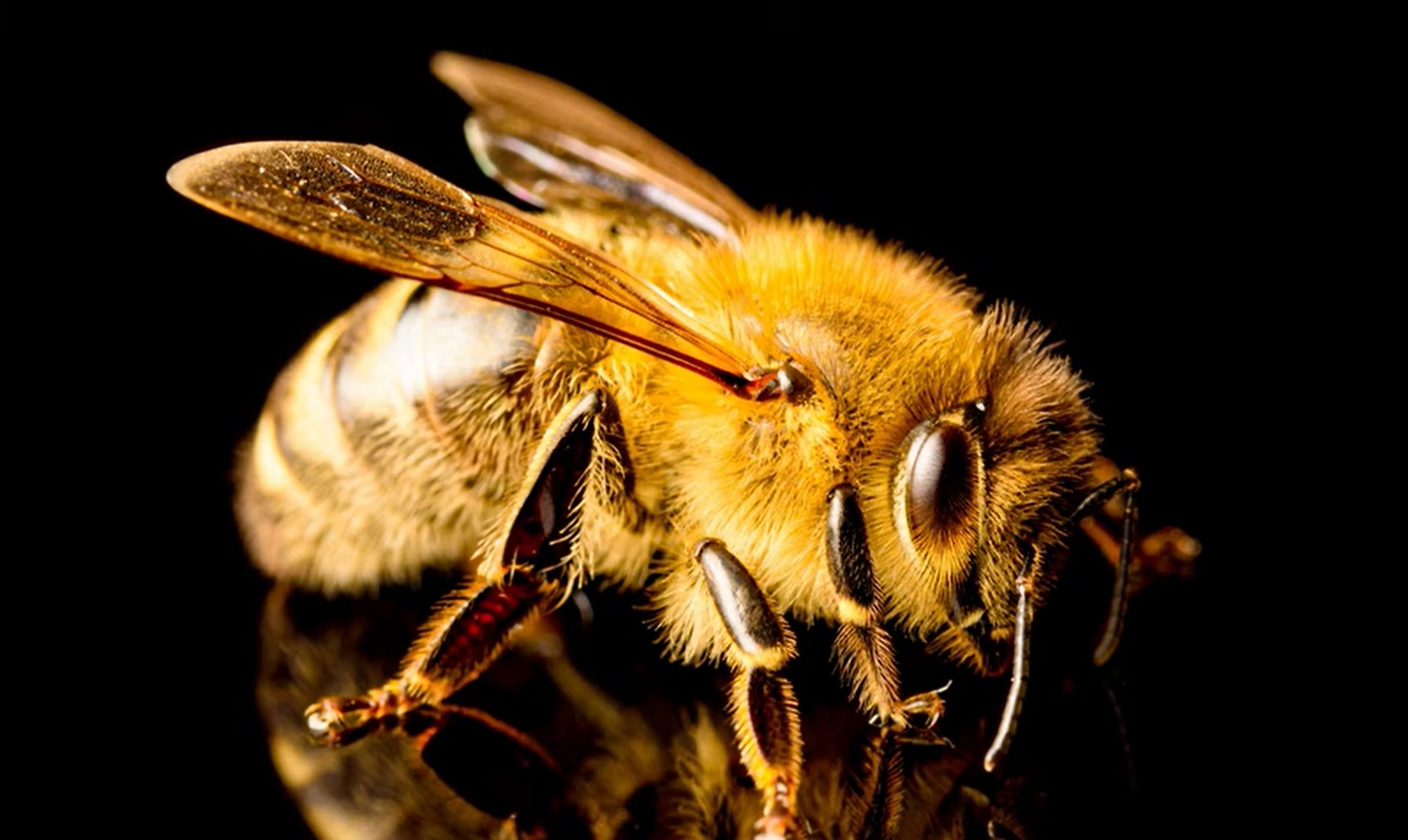
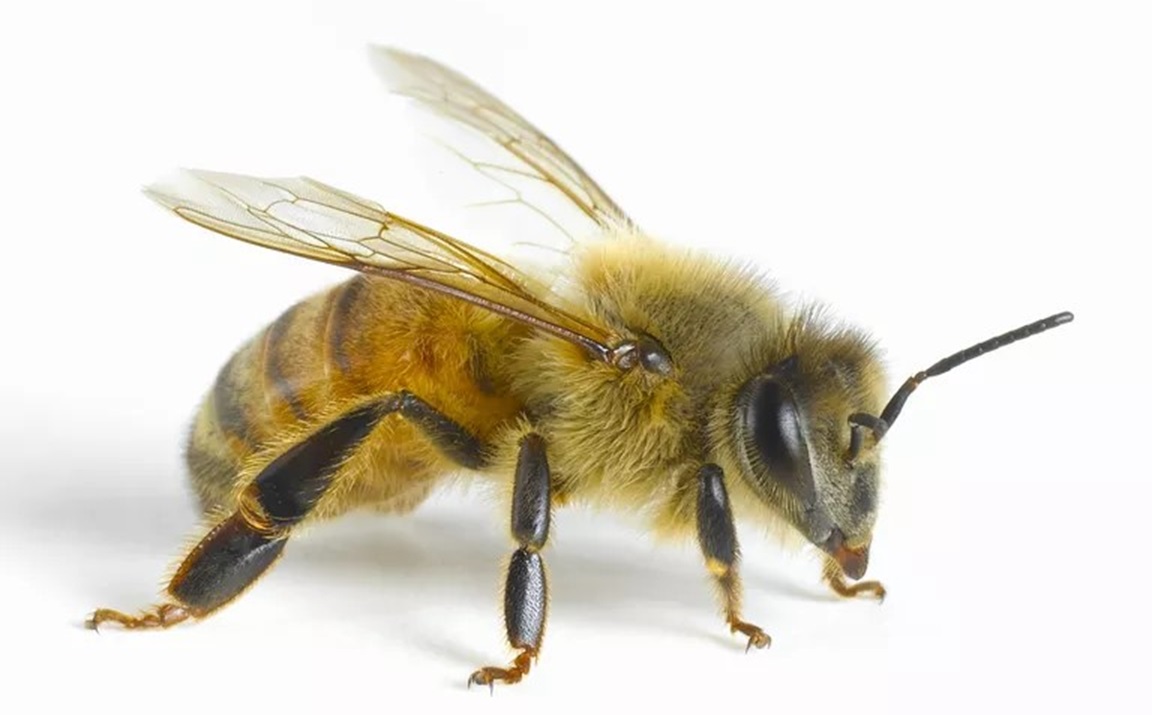
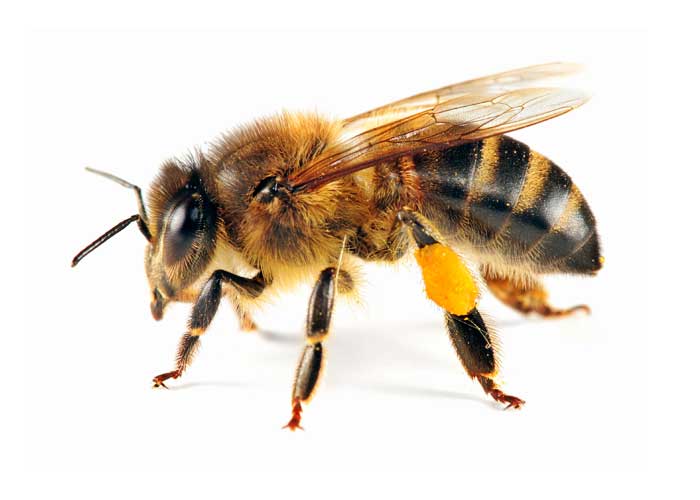
- Head: Includes the antennae, compound eyes, simple eyes, and mouthparts (mandibles and proboscis).
- Thorax: Contains the wings and legs, which are used for flight, pollen collection, and cleaning.
- Abdomen: Houses the digestive system, reproductive organs, stinger (in females), and wax glands for building the hive.
Hive
Early beehive structures included skeps, log hives, and mud hives, and were often made from natural materials like straw, wicker, clay, or wood.
Traditional beehives didn't have internal structures for the bees, so they built their own honeycomb within the hive. This comb was often cross-attached and couldn't be moved without destroying it.
Skep Hive, The skep hive is one of the oldest types of beehives historically used by beekeepers. It is a basket-like structure traditionally made from woven straw, wicker, or coarse twine, and was commonly used from ancient times up until the 19th century before being largely replaced by more modern designs, such as the Langstroth hive.
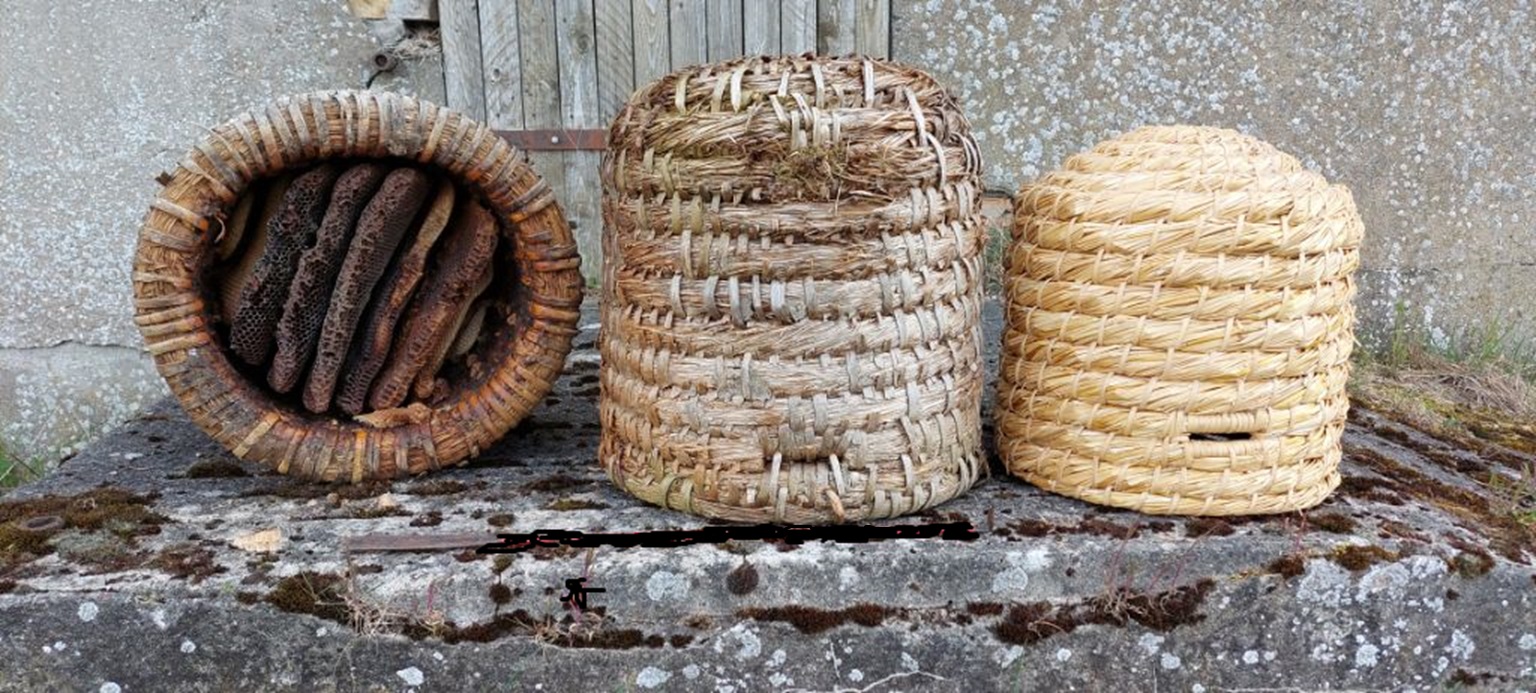
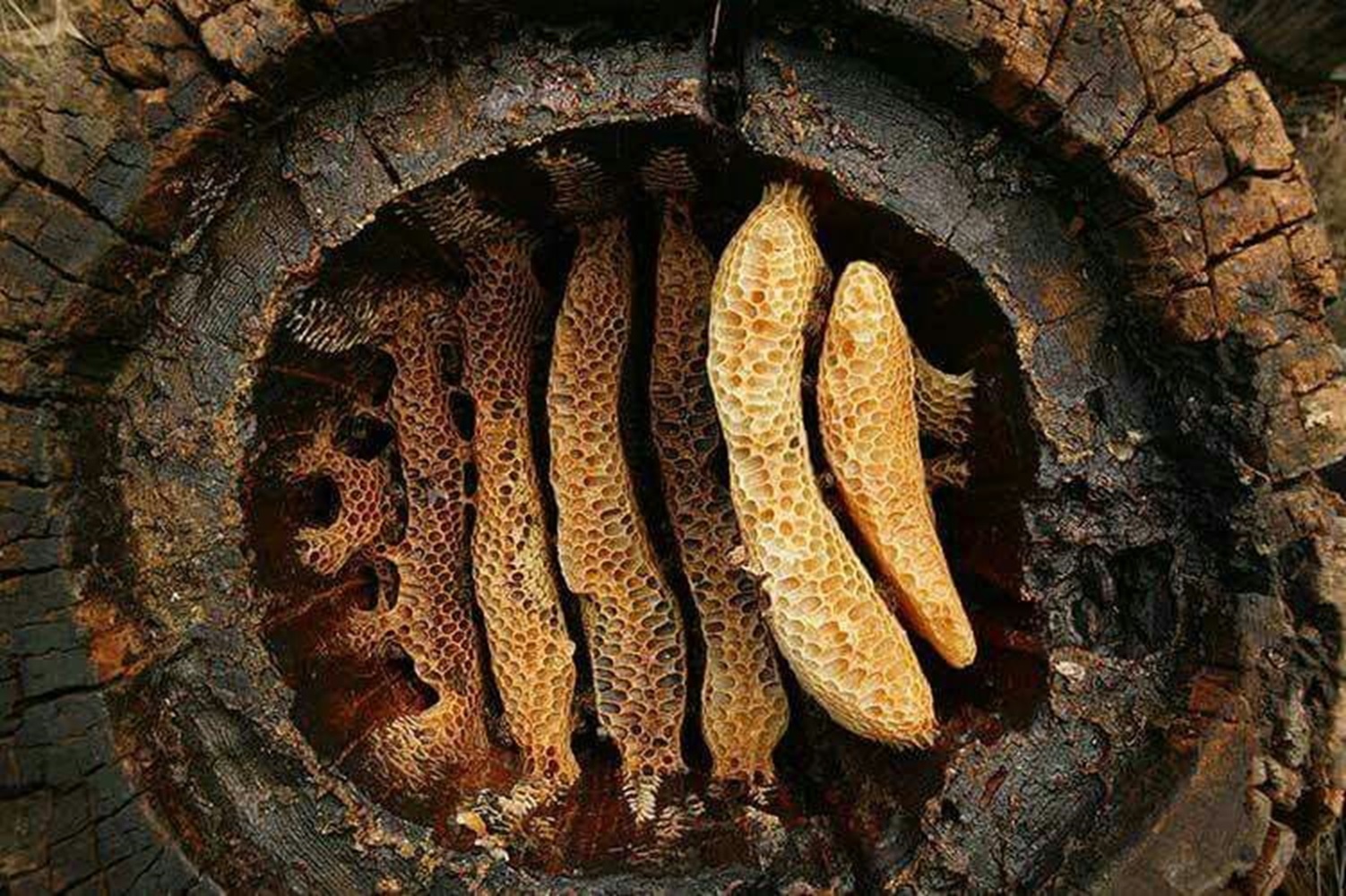
Log Hive, A log hive is another traditional type of beehive used by beekeepers, particularly in earlier centuries. It is one of the simpler, natural designs used for housing honeybee colonies. Log hives are essentially hollowed-out tree trunks that provide bees with a safe and protected environment in which to build their hive and store honey.
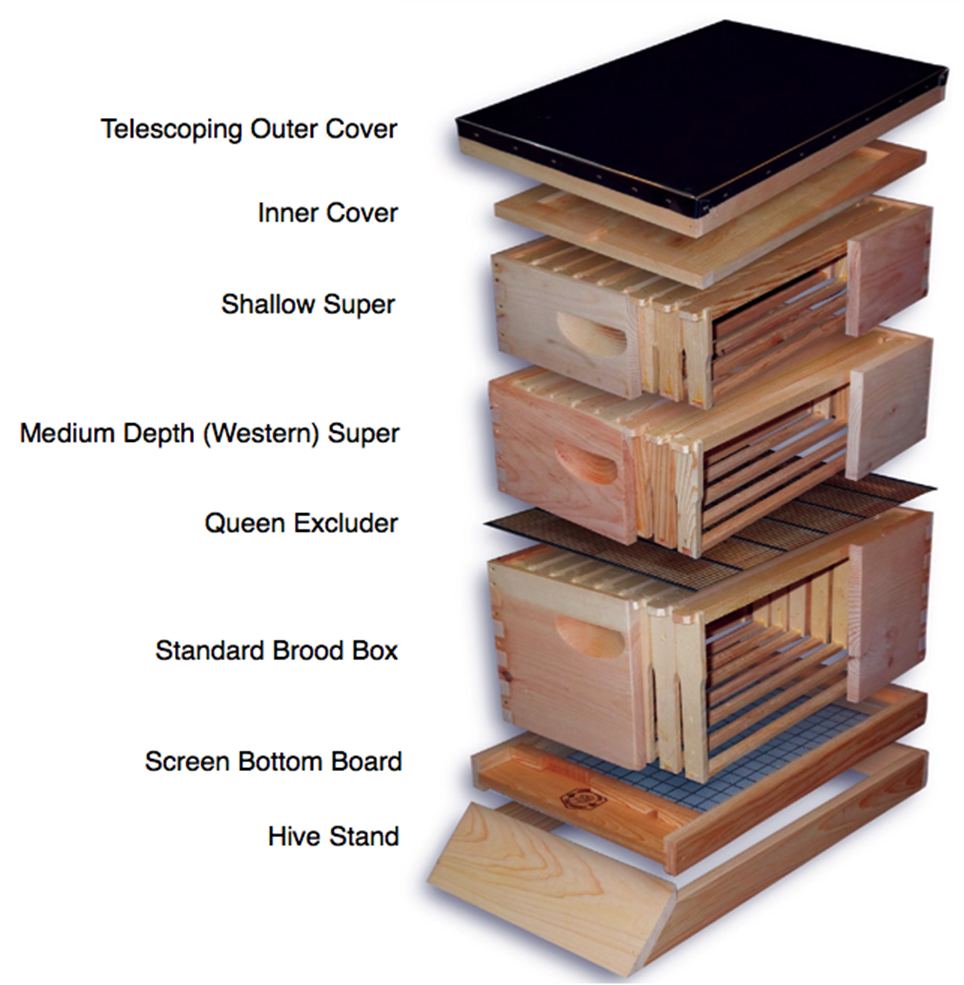
Langstroth hive, The Langstroth hive is the most widely used beehive design in modern beekeeping. Invented by Lorenzo Langstroth in 1851, it revolutionized beekeeping by incorporating the concept of movable frames, allowing beekeepers to manage bee colonies efficiently, inspect hives, and harvest honey without harming the colony. It has become the standard in commercial and hobbyist beekeeping worldwide.
Langstroth's innovation was based on the discovery of the bee space, a gap of about 1/4 inch that bees naturally maintain. This space prevents bees from gluing everything together with beeswax, allowing the frames to be removed easily without damaging the comb.
Honeybee Castes
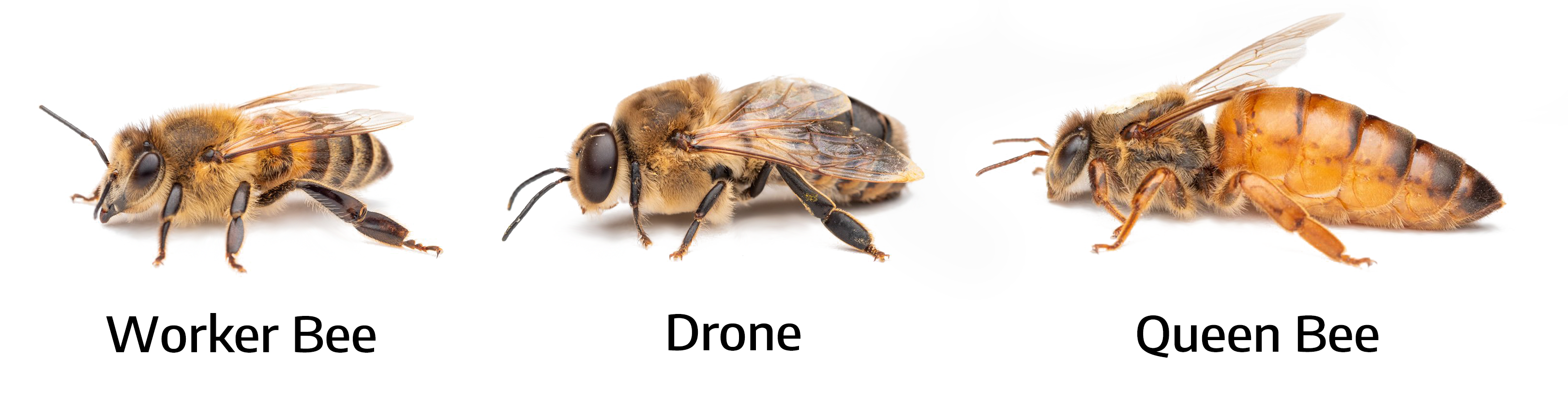
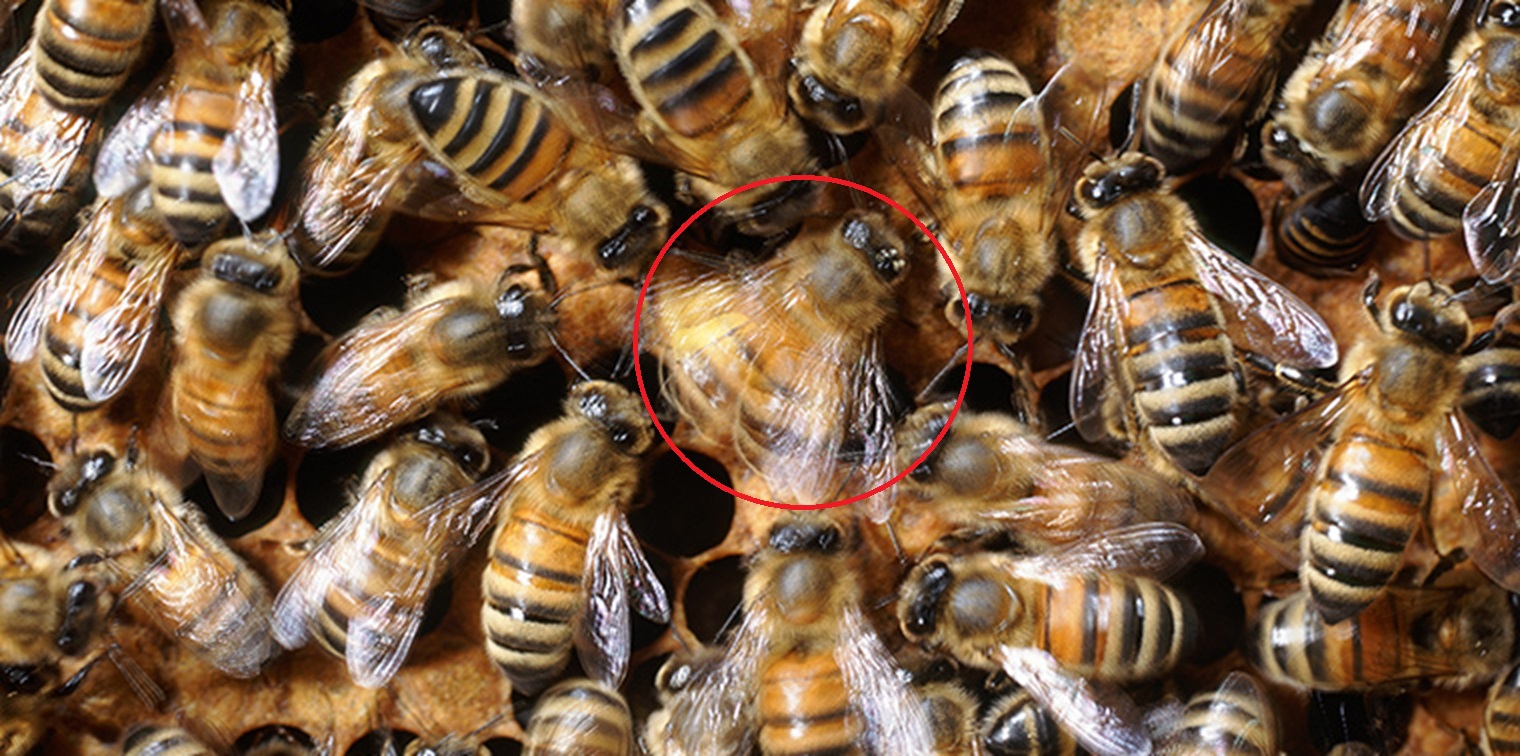
- Queen Bee: The queen is the central figure in a honeybee colony. She is the only fertile female in the hive and her primary role is to lay eggs, ensuring the colony's reproduction and long-term survival. The queen is the largest bee in the colony, with a long, slender abdomen. The queen's main role is to lay eggs. A healthy queen can lay up to 2,000 eggs per day during peak season, ensuring the colony has a steady supply of new workers, drones, and future queens. She produces pheromones that regulate the colony's behavior, including maintaining the hive's social structure and inhibiting the workers from becoming reproductive (ovipositing). The queen mates with multiple drones during her mating flight, storing the sperm to fertilize her eggs throughout her life. She is the only fertile female in the colony, and all other females (workers) are sterile. The queen lives significantly longer than the other bees, often between 3 to 5 years. However, her egg-laying capacity may decline over time, leading to the creation of a new queen by the workers.
- Worker Bees: Worker bees are the female bees responsible for the majority of the labor in the hive. They perform a wide variety of tasks, from foraging for nectar and pollen to tending to the queen, brood (larvae), and cleaning the hive. They have stingers, which they use for defense, and are equipped with pollen baskets on their hind legs to collect pollen. In the early stages of their life, worker bees care for the brood, feeding and protecting the larvae, they are called nurse bees. As they age, worker bees become foragers. They leave the hive to collect nectar, pollen, water, and propolis (a resin used for hive construction). They clean the hive, build and repair the honeycomb, and regulate the temperature of the hive by fanning their wings and adjusting ventilation. Worker bees protect the hive from predators and threats. If the hive is attacked, they may use their stingers to defend the colony.
- Drone Bees: Drones are the male bees in the colony. Their primary role is to mate with a queen during her mating flight. Drones are larger than worker bees and have bigger eyes, which help them locate queens during mating. Drones do not have stingers, and they cannot forage or participate in hive maintenance tasks. After mating, a drone typically dies, as the act of mating causes its reproductive organs to be ripped out.
Honeybee Metamorphosis
Honeybee Life Cycle
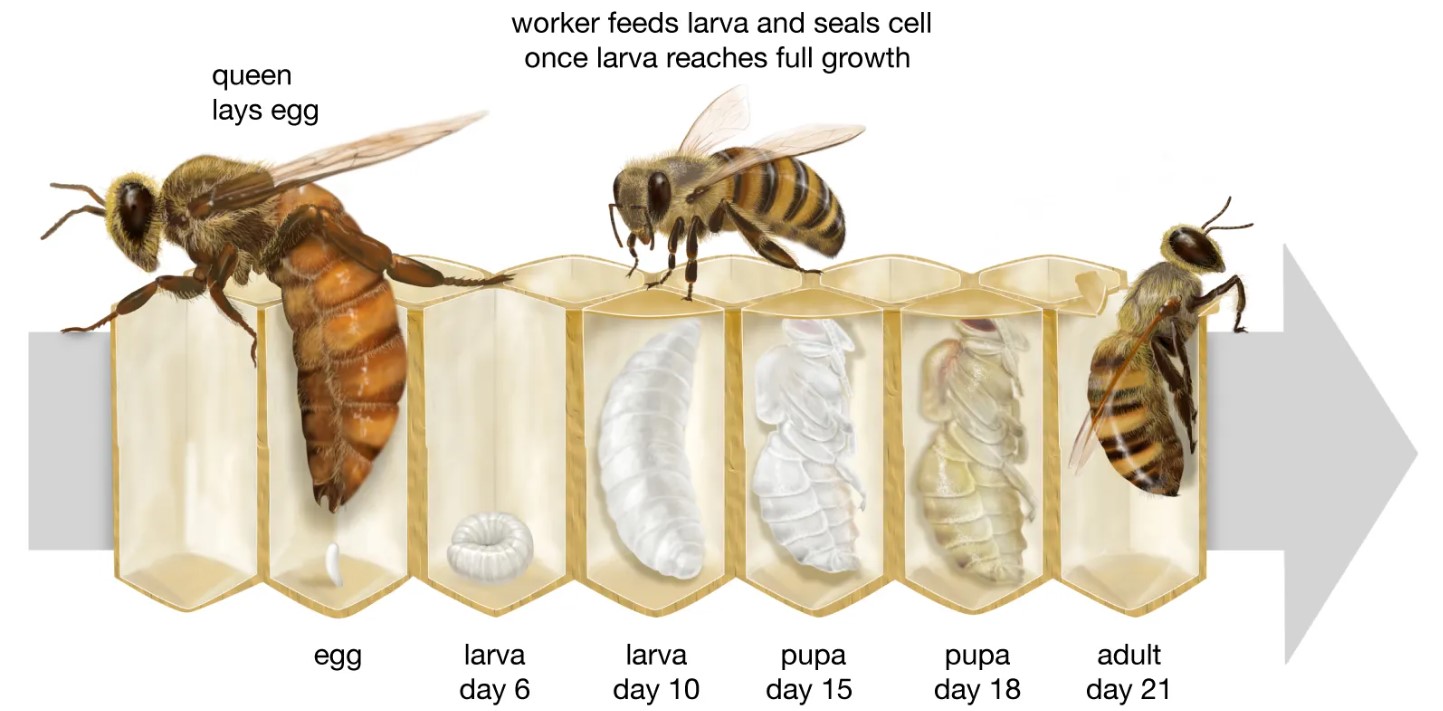
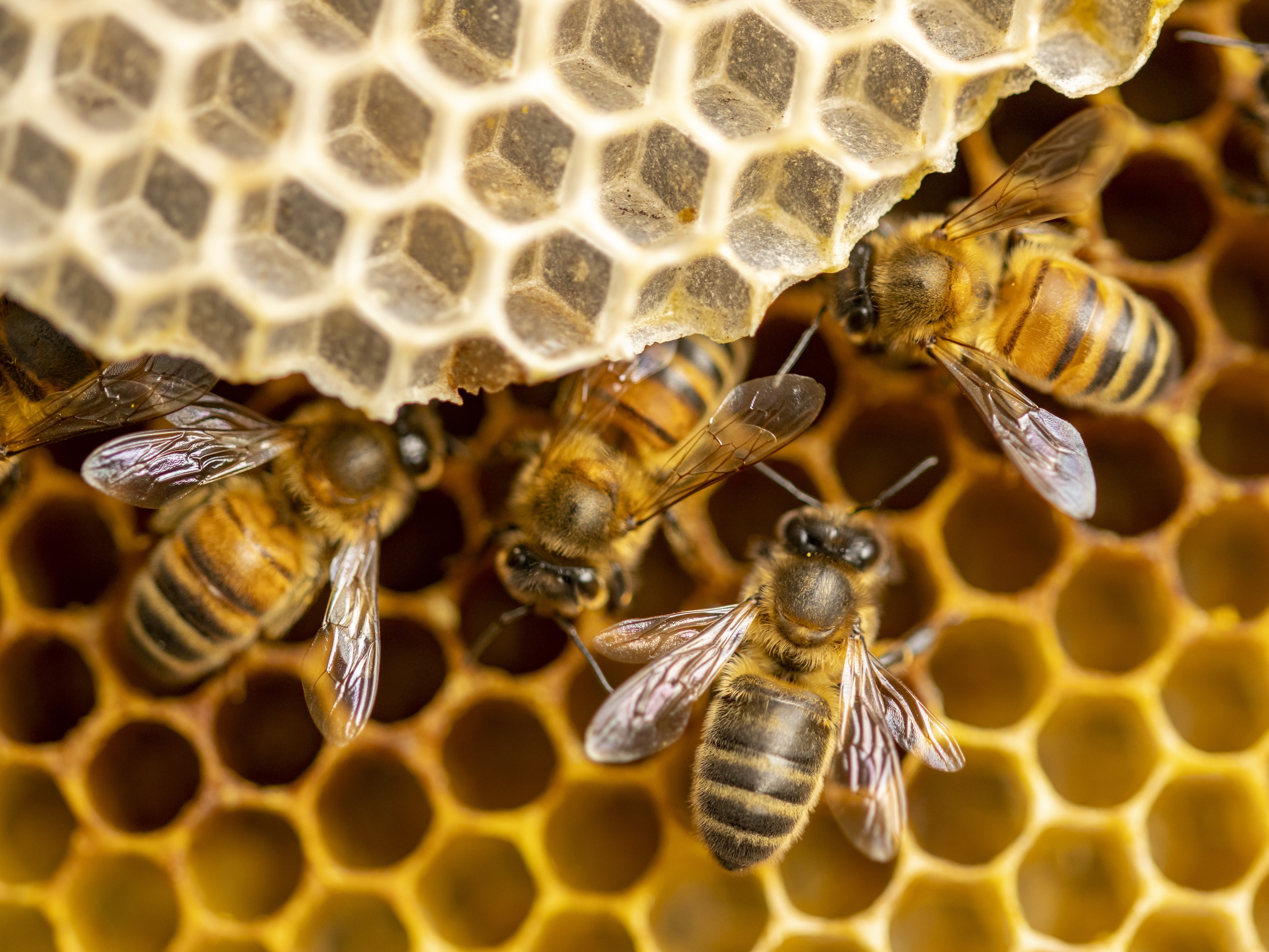
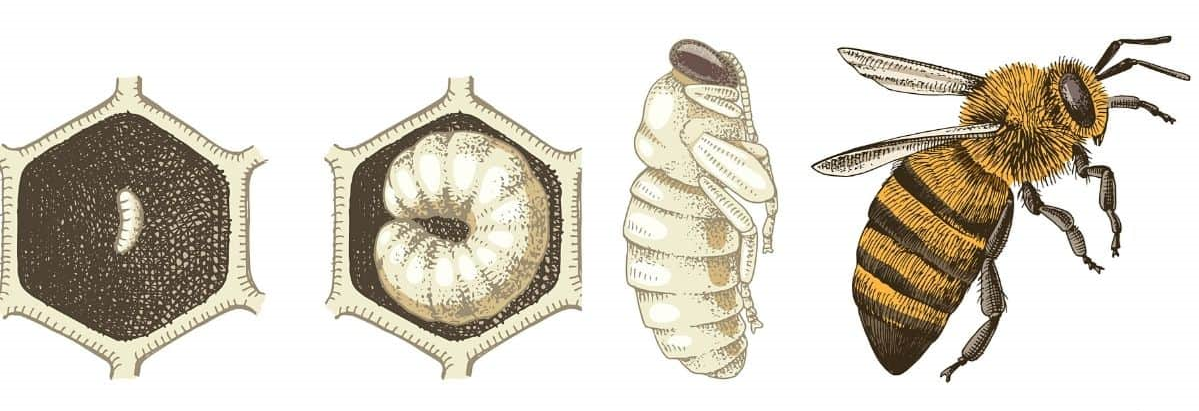
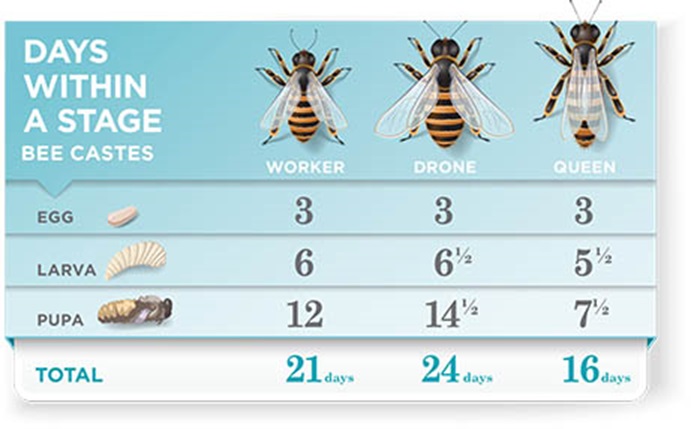
- Egg Stage: The queen bee lays eggs in hexagonal wax cells within the hive. A queen can lay up to 2,000 eggs per day at the peak of her reproductive cycle. Fertilized eggs develop into female bees (workers or queens), while unfertilized eggs develop into male bees (drones). The eggs are about 1 millimeter long and appear as tiny, oval, white specks.
- Larva Stage: After the egg hatches, the larva emerges, which looks like a small, white, legless grub.
The larva's main job is to eat and grow, and it is fed by nurse bees.
The diet varies depending on the caste. Worker larvae are fed a mixture of nectar and pollen called worker jelly. Queen larvae are fed royal jelly, a nutrient-rich substance produced by worker bees.
The larvae grow rapidly, molting several times as they increase in size. - Pupa Stage: After the larva has completed its growth, it undergoes pupation. During this stage, the larva spins a cocoon around itself and transitions into the pupa stage. Inside the cocoon, the pupa undergoes a transformation (metamorphosis), during which it develops the adult features of the specific caste (worker, queen, or drone). During this stage, the pupa begins to take on its recognizable adult shape, with developing legs, wings, and other features. The bee also begins developing compound eyes and other sensory organs. The pupal stage is when the most dramatic changes occur, turning the larva into an adult bee. Once the pupa has fully developed, the adult bee emerges from the cocoon.
- Adult Stage: The lifespan of an adult bee varies by caste. Worker bees typically live for 5 to 6 weeks during the busy summer months. Drones live for several months but are usually expelled from the hive as winter approaches. Queen bees live for 3 to 5 years.
Worker Bee
- Brood Care: In the early stages of their life, worker bees serve as nurse bees, responsible for caring for the colony's brood (eggs, larvae, and pupae). Nurse bees feed the larvae with royal jelly (for future queens) or worker jelly (for workers and drones), a mixture of nectar, pollen, and enzymes. They also clean the brood cells and help regulate the temperature of the hive, ensuring that the brood develops in optimal conditions.
- Housekeeping and Hive Maintenance: Worker bees help maintain and clean the hive by removing waste, debris, and dead bees. They repair the wax combs by adding new wax, maintaining the structure of the hive, and ensuring the brood cells are intact. Bees also help regulate the temperature of the hive by fanning their wings to cool it down or by clustering together to generate heat, keeping the internal temperature between 33°C and 36°C (91°F to 97°F) for the brood.
- Foraging: As worker bees mature, they take on the task of foraging for food to sustain the colony.
Foraging worker bees fly long distances (sometimes up to 3 miles or more) to find food sources, then bring their findings back to the hive.
Foraging involves collecting:- Nectar: For honey production. Nectar is converted into honey by the bees through a process of regurgitation and evaporation in the hive.
- Pollen: To provide protein for brood development. Pollen is packed into the pollen baskets (corbiculae) on the hind legs of the worker bees.
- Water: To maintain humidity in the hive and dilute nectar for feeding larvae.
- Propolis: A sticky resin collected from trees to line the hive and seal cracks.
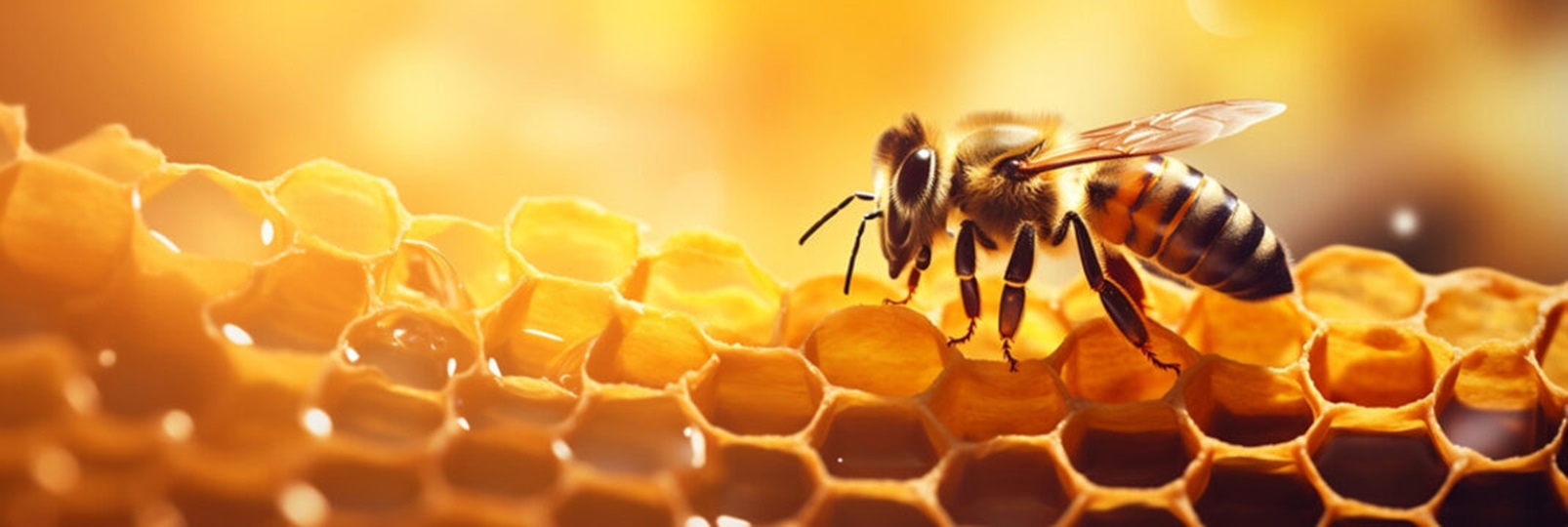
- Food Storage and Honey Production:Worker bees are involved in storing honey for the winter months. After foraging, bees deposit nectar into hexagonal wax cells, where it is turned into honey. Bees cure the honey by fanning it with their wings to remove excess moisture, which converts it into the thick, sugary substance that serves as food for the colony. Pollen is also stored in the comb to provide protein for brood rearing when nectar is scarce.
- Hive Defense: Worker bees take on the role of defending the hive from predators, such as wasps, hornets, and other animals. They patrol the entrance of the hive and will use their stingers to ward off intruders if necessary. Guard bees are particularly important when the colony is threatened, as they sound an alarm and will risk their lives to protect the hive. Worker bees that guard the hive usually have a more aggressive temperament than others.
- Queen Care and Protection: Worker bees are responsible for caring for the queen. They feed her, groom her, and protect her from harm. Worker bees ensure she remains in optimal condition to continue laying eggs. Worker bees will also foster new queens if the existing queen becomes weak, dies, or if the colony prepares to swarm. They do this by selecting certain larvae and feeding them royal jelly to develop into new queens.
- Swarm Preparation: When the colony becomes overcrowded, a process called swarming occurs. During this time, a portion of the worker bees, along with the old queen, leave to establish a new colony. Worker bees involved in the swarm typically prepare the hive for the departure by ensuring that the queen is fed and that new eggs and larvae are cared for to ensure the survival of the new colony.
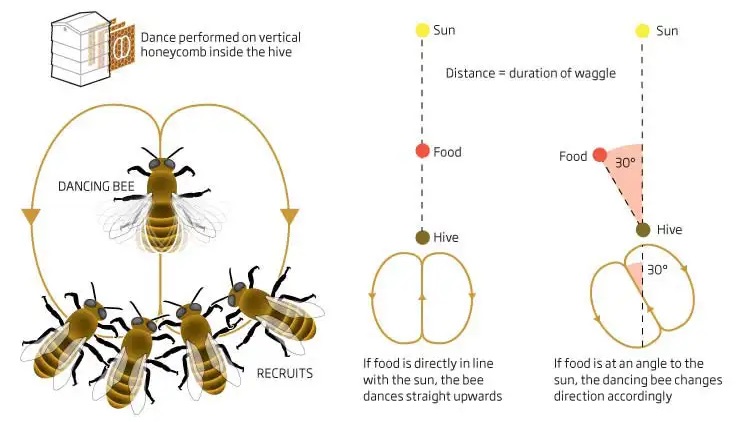
- Communication (Waggle Dance): Worker bees use a form of communication called the waggle dance to inform other bees about the location of nectar sources or a new home site for swarming.
Honeybee Swarm
The swarming process:
- Preparation: Before the swarm, the worker bees feed the queen less, causing her to shrink in size. The colony also starts producing queen cells, which will give rise to a new queen.
- Swarming: When the new queen is ready, the old queen leaves with a large portion of the worker bees to search for a new home. This group of bees is called the swarm.
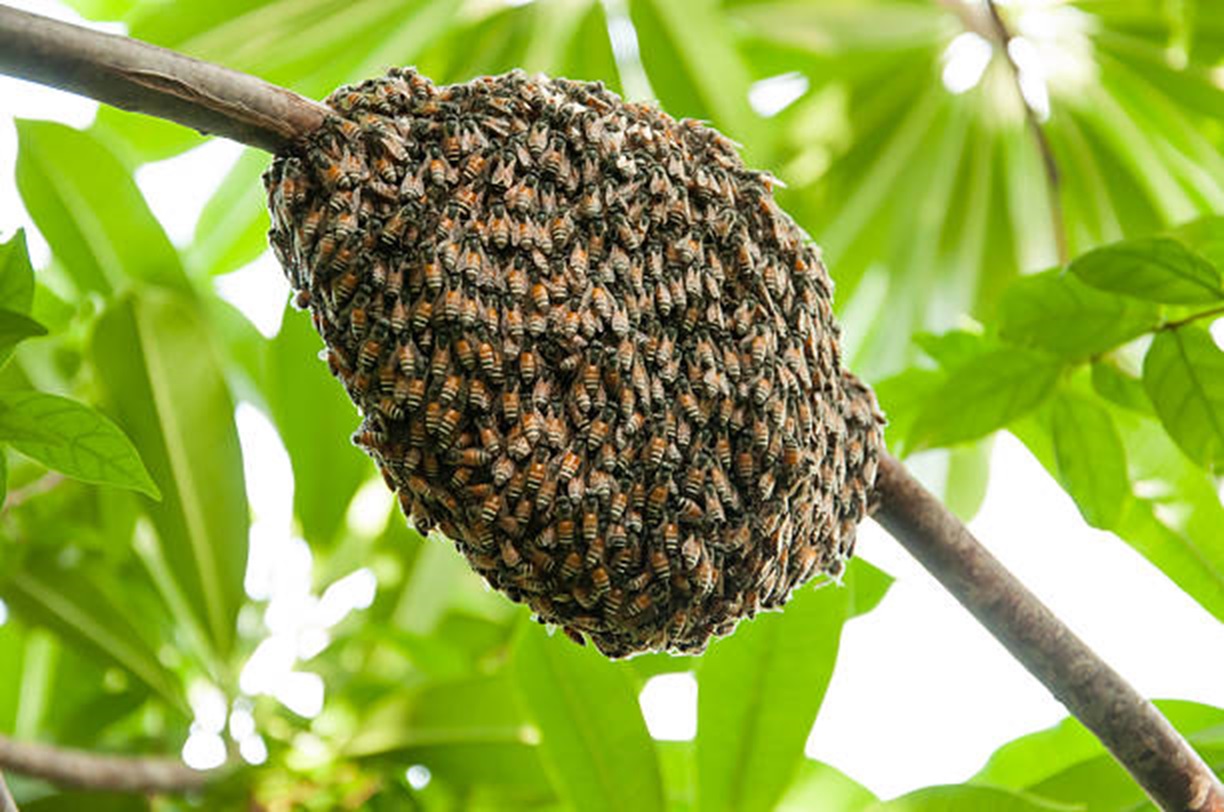
- Swarm Formation: As the bees leave the hive, they cluster in a temporary location, such as a tree branch or a fence post. This cluster is usually dense, with thousands of bees.
- Scouting for a New Hive: Scout bees fly out to find a suitable location for a new hive. Once a location is selected, the swarm moves to establish the new colony there.
- Re-establishing the Colony: The queen begins laying eggs in the new hive, and the workers start building comb and foraging for food.
Waggle Dance
Key Components of the Waggle Dance:
- The Dance: The bee moves in a figure-eight pattern, with a straight "waggle" portion at the center. During the waggle portion, the bee shakes its body from side to side, or "waggles," while moving forward in a straight line. The duration and intensity of the waggle tell the other bees how far the food source is from the hive.
- The Direction: The angle at which the bee dances relative to the vertical axis of the hive provides directional information. If the waggle portion is aligned directly with the vertical, it means the food source is directly in line with the sun. If the bee moves at a 60° angle to the right of the vertical, it indicates that the food is 60° to the right of the sun's position
- The Distance: The length of the waggle phase (how long the bee wiggles) corresponds to the distance between the hive and the food source. The longer the waggle, the further the food is.
Pollination
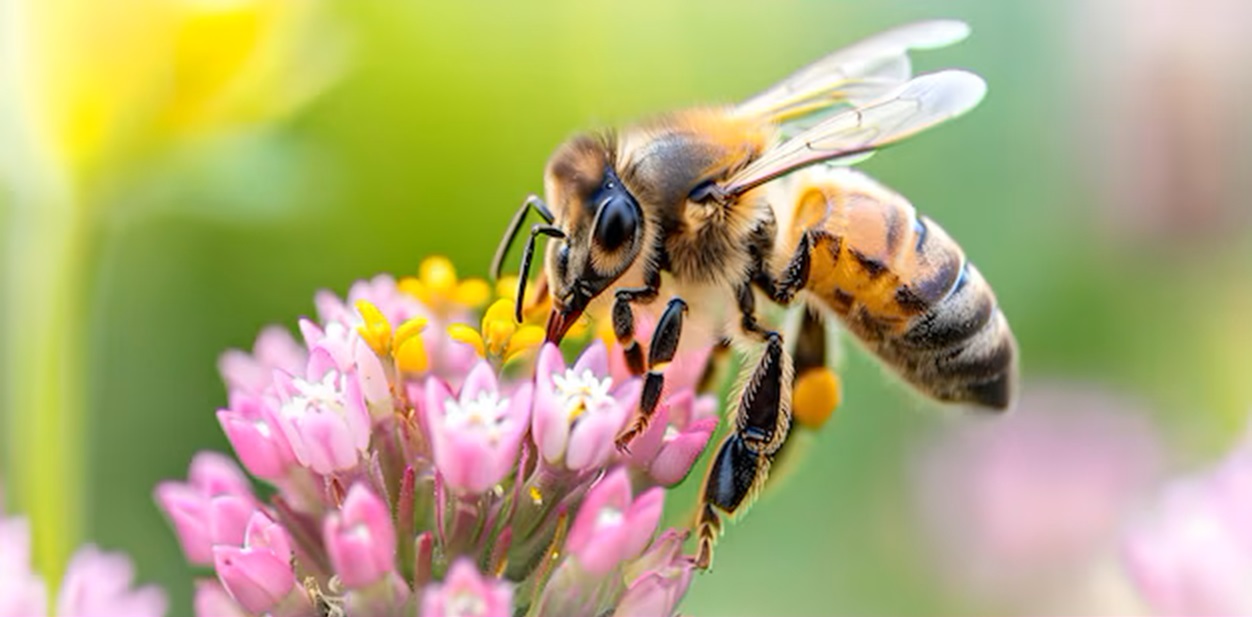
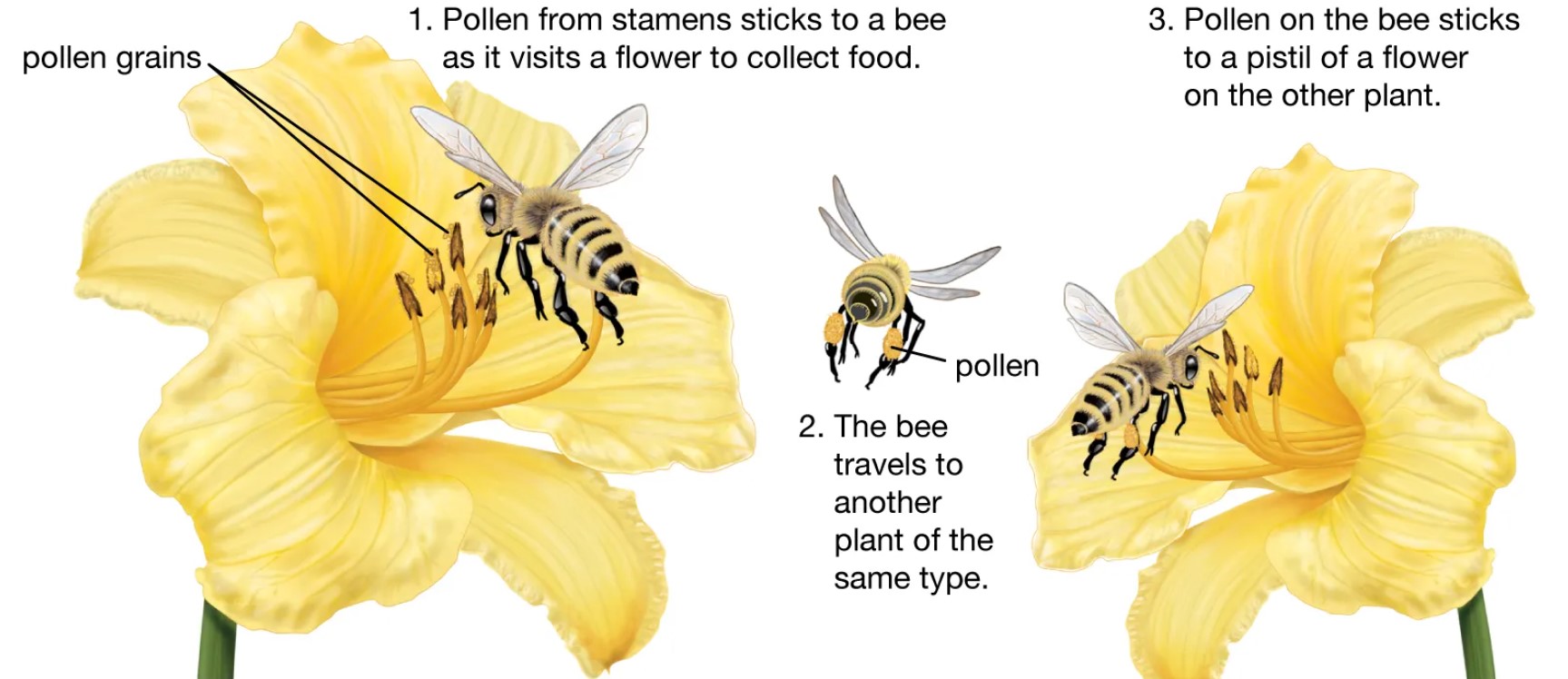
Honeybees are often cross-pollinators, meaning they move pollen between different plants of the same species. This increases genetic diversity, which is important for the health and resilience of plant populations. Some plants rely heavily on bee pollination, especially fruits, vegetables, and seeds that humans consume. Without bees, many of these plants would struggle to reproduce.
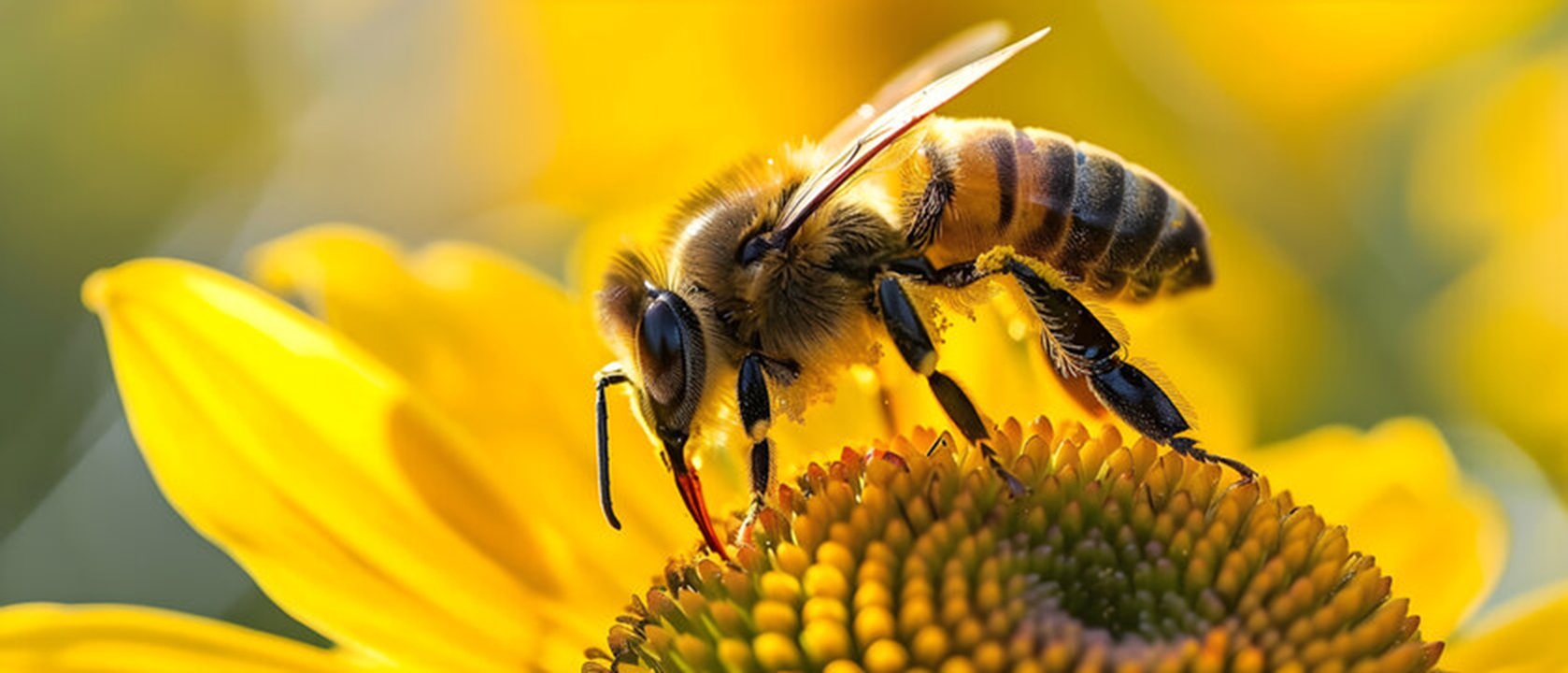
Importance of Honeybee Pollination:
- Agricultural Impact: Honeybees are vital for the pollination of many crops, such as apples, almonds, blueberries, cucumbers, tomatoes, and strawberries. Around one-third of the food we eat depends on pollination by insects like honeybees. They also pollinate other crops that are used for animal feed, like alfalfa, which is essential for livestock farming.
- Biodiversity and Ecosystem Health: Pollination by honeybees is critical for the health of ecosystems. Many wild plants, including those that provide food for other animals, also depend on bee pollination.
- Economic Value: Honeybee pollination contributes billions of dollars to global agricultural economies. Without pollination services, many food crops would have drastically lower yields, leading to increased food prices and reduced availability.
Liquid Gold (Honey)
Honey is a remarkable product of nature, rich in nutrients and antioxidants. Honey contains a variety of antioxidants, including flavonoids and phenolic acids. These compounds help fight oxidative stress in the body by neutralizing free radicals, which may reduce the risk of chronic diseases like heart disease. Honey has natural antibacterial and soothing properties. It can help coat the throat, reducing irritation and providing relief from a sore throat or cough. Honey, particularly raw or unfiltered honey, contains enzymes that aid in digestion. It can help soothe digestive issues like acid reflux, indigestion, or ulcers. Additionally, honey acts as a prebiotic, which means it encourages the growth of good bacteria in the gut.
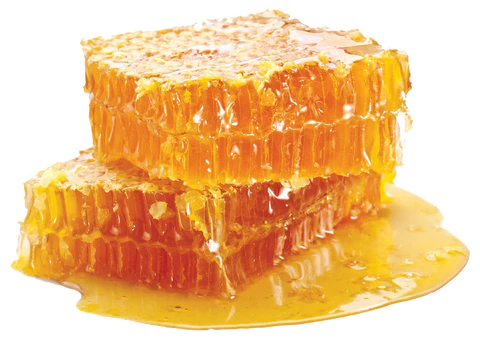
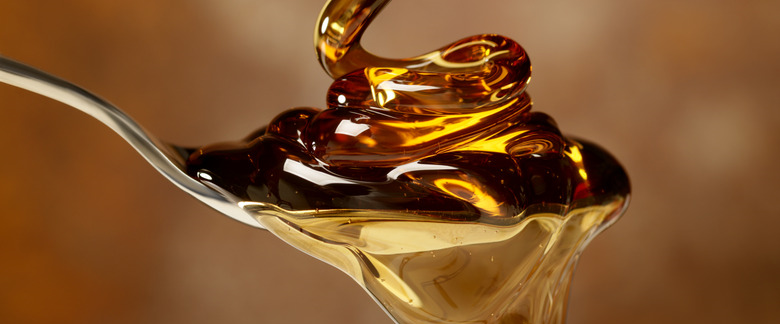
- Rich Golden Color: Honey's golden hue, which can range from pale yellow to deep amber. The color varies depending on the nectar source (such as clover, lavender, or buckwheat), and this golden appearance gives honey its precious, "luxurious" feel.
- Value and Importance: Honey has been valued for its sweetness, medicinal properties, and long shelf life. Historically, it was a rare and precious food, used as currency or a symbol of wealth in many ancient cultures. The phrase "liquid gold" emphasizes the high regard people have for honey, especially considering its many uses, from culinary to medicinal.
- Health Benefits: Honey is rich in natural sugars, primarily glucose and fructose, which provide an instant energy boost. It also contains vitamins, minerals, and antioxidants that contribute to its health benefits. Some varieties of honey, such as manuka honey, are particularly valued for their antibacterial and healing properties. Honey is often used as a natural remedy for sore throats, coughs, and digestive issues.
- Symbolism: In many cultures, honey is a symbol of prosperity, abundance, and sweetness in life. The association of honey with the idea of "gold" speaks to its revered status in various traditions.
A Sweet Job (Nectar to Honey)
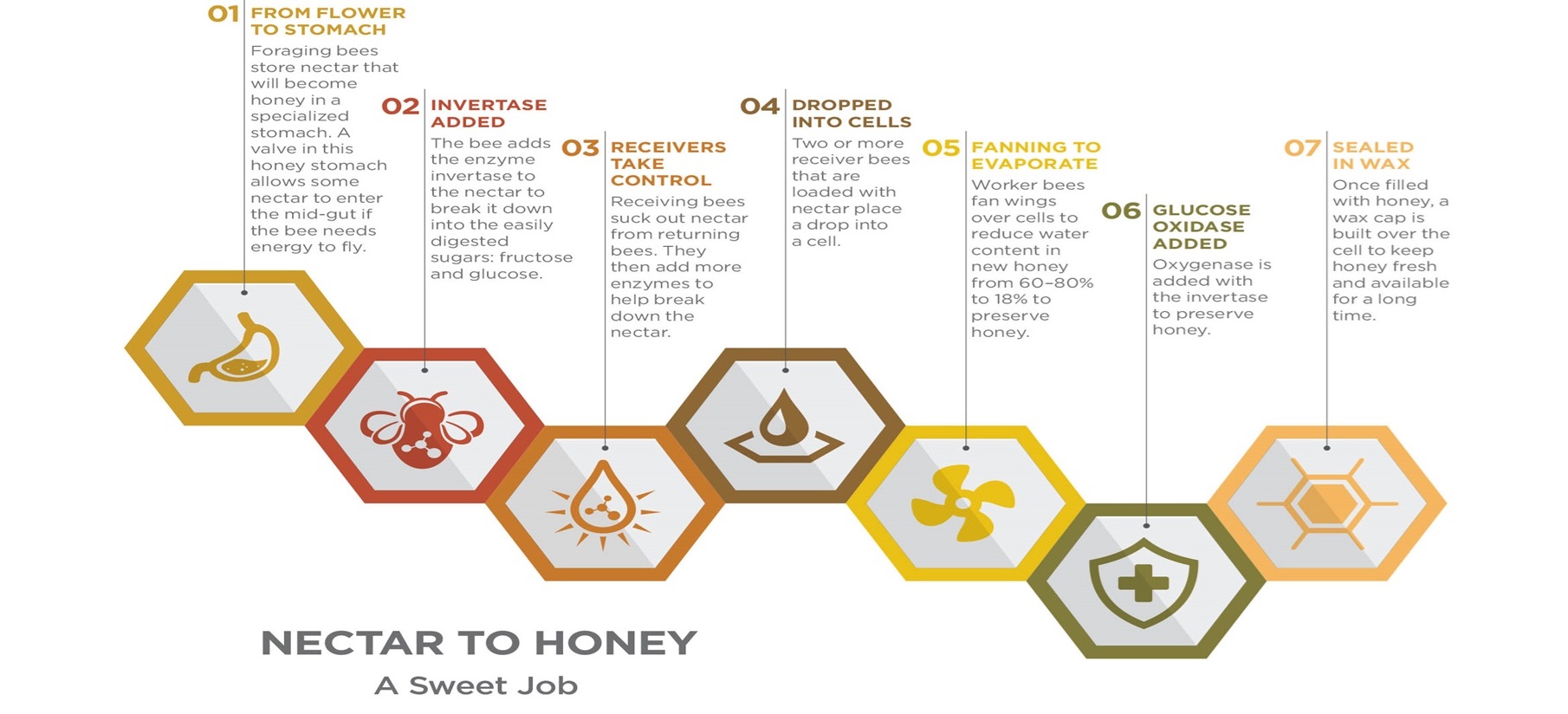
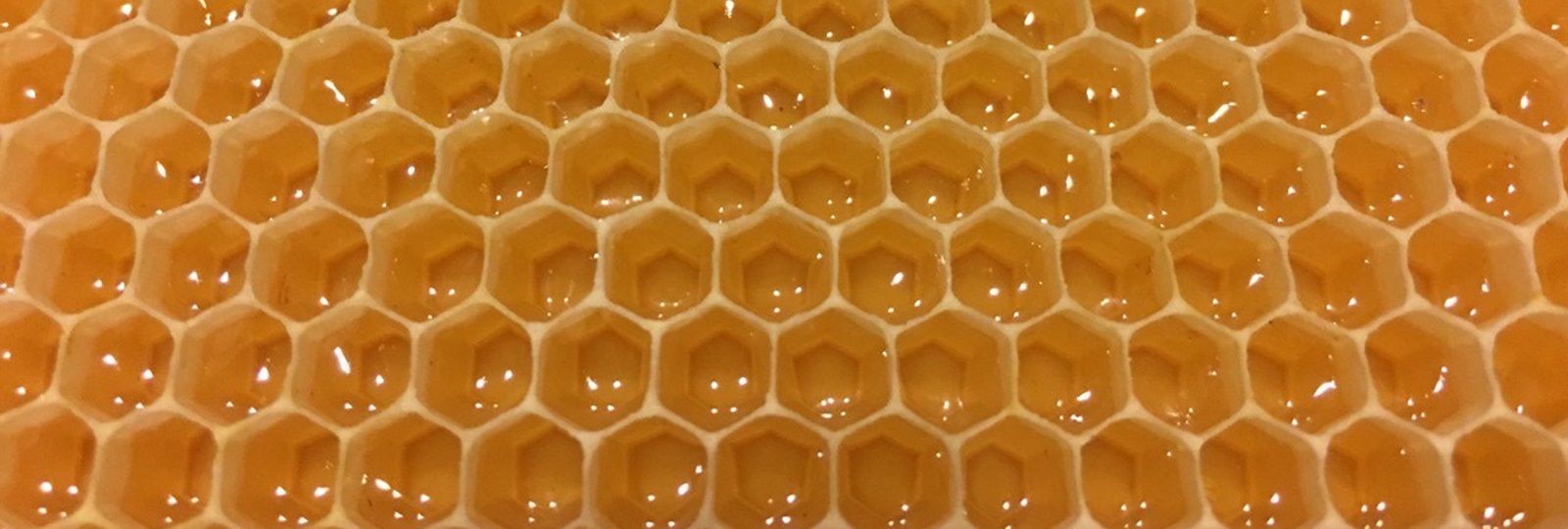
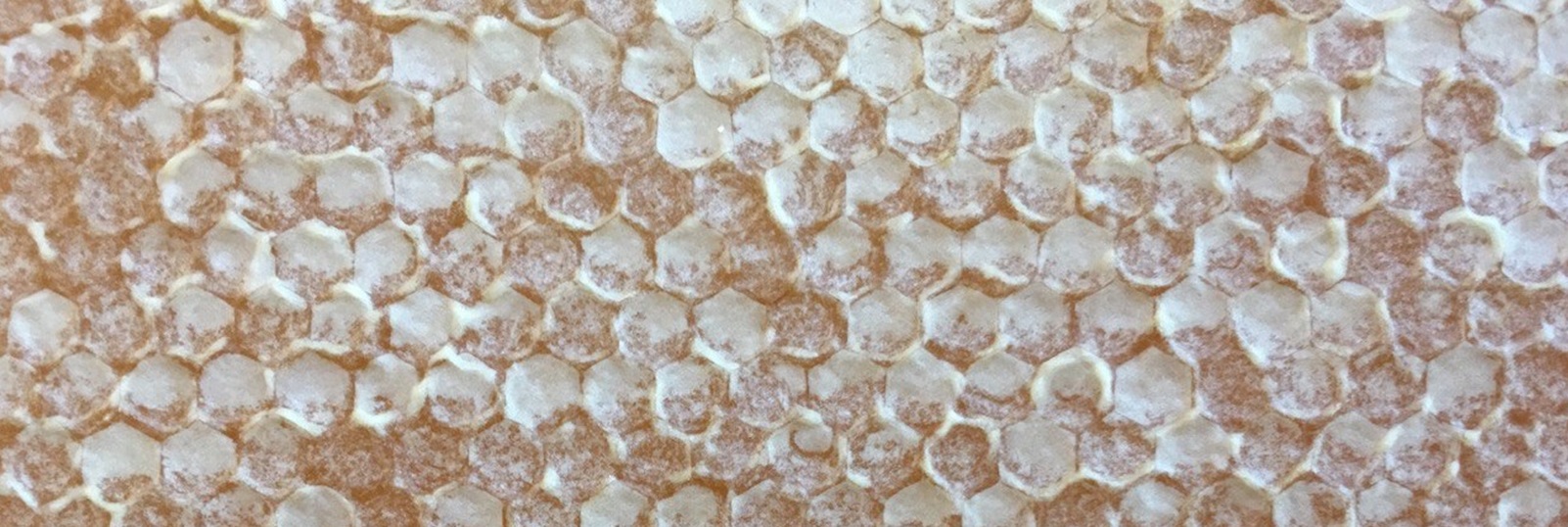
Nectar to Honey in seven steps:
- From flower to stomach
- Invertase added
- Receivers take control
- Dropped into cells
- Fanning to evaporate
- Glucose Oxidase added
- Seald in wax
Honeybee Products
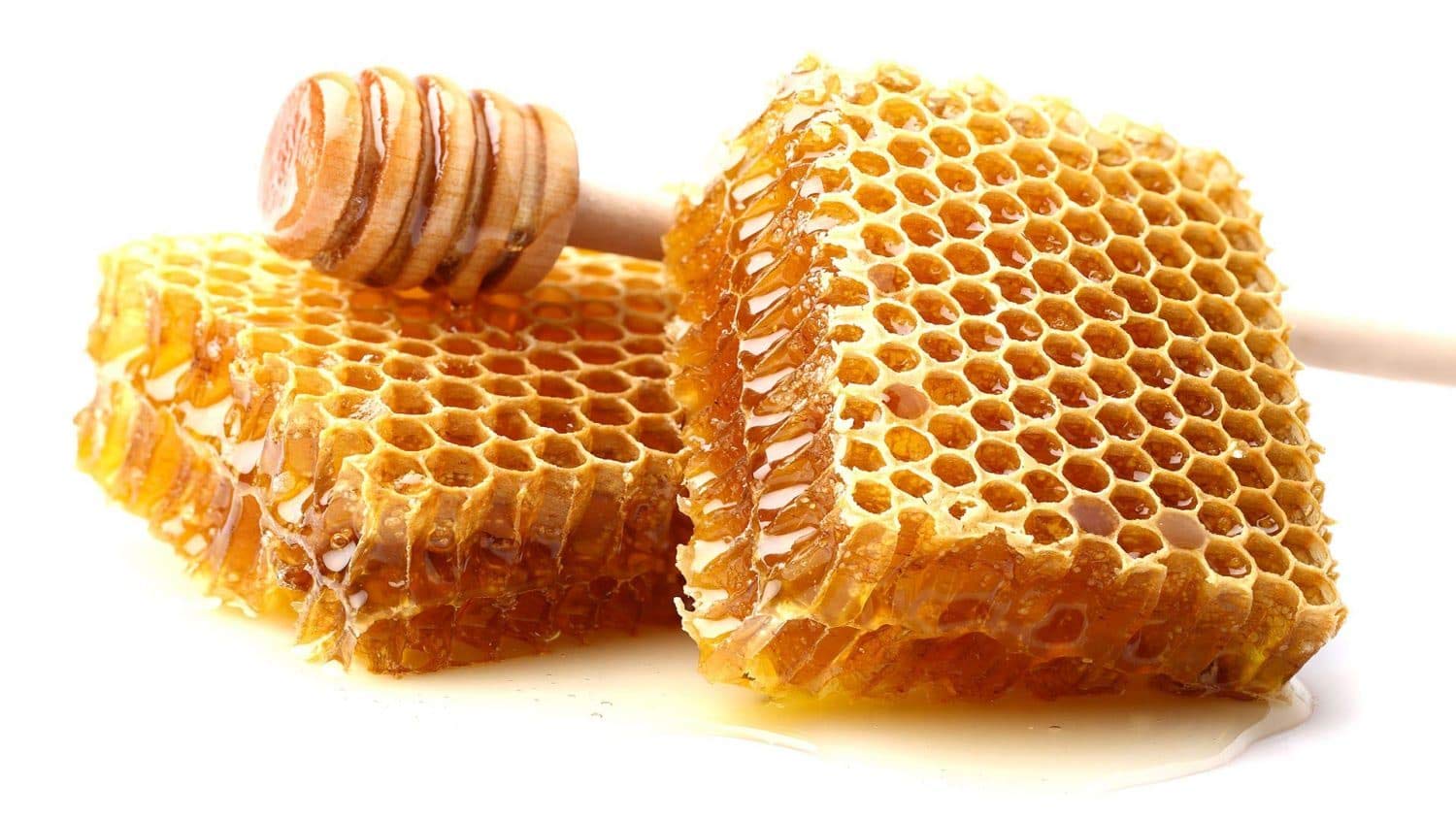
- Honey, the sweet, golden liquid produced by honeybees from the nectar of flowers. It's the most well-known honeybee product.
- Propolis, a resin-like substance that bees gather from trees and plants. They use it to seal and protect the hive.
- Bee Wax, a natural wax secreted by honeybees and used to build honeycombs.
- Royal Jelly, a protein-rich secretion that honeybees feed to the queen bee and young larvae.
- Bee Polen, collected by bees from flowers and used as a food source for the hive.
Honey
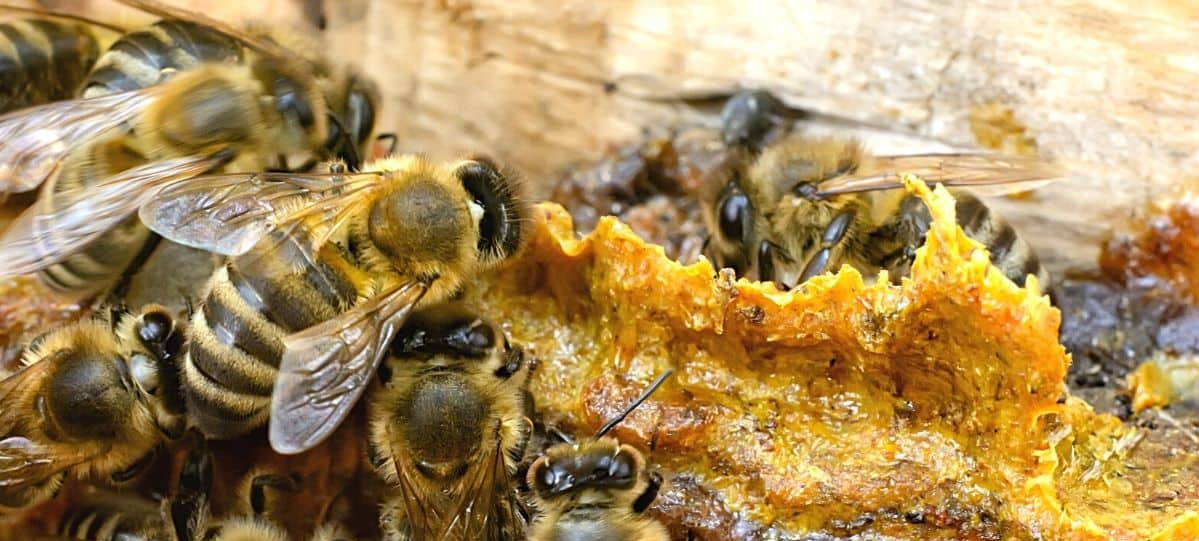
Propolis
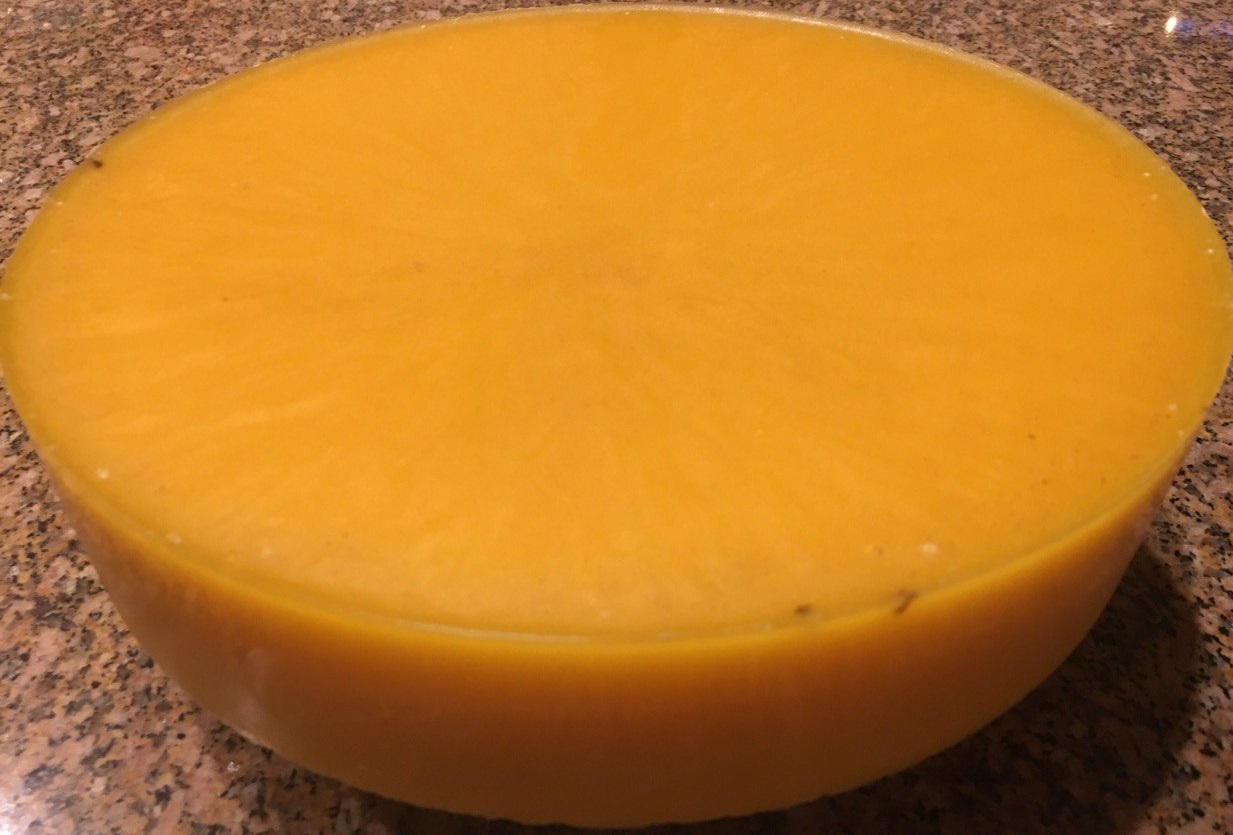
Bee Wax
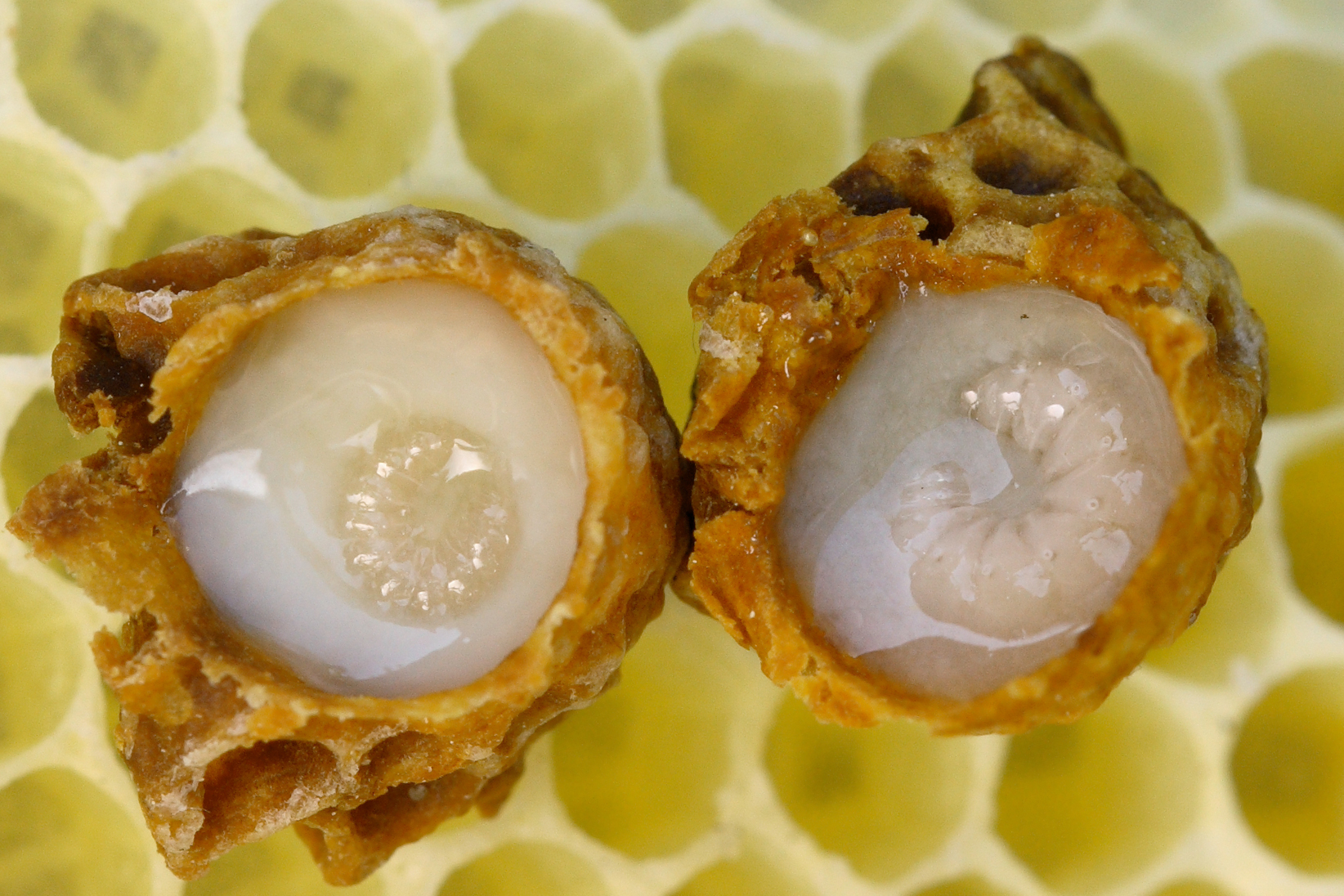
Royal Jelly
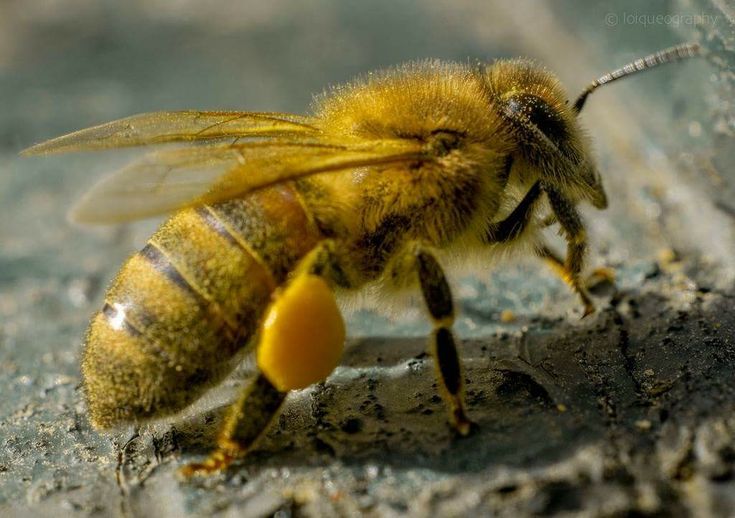
Bee Polen
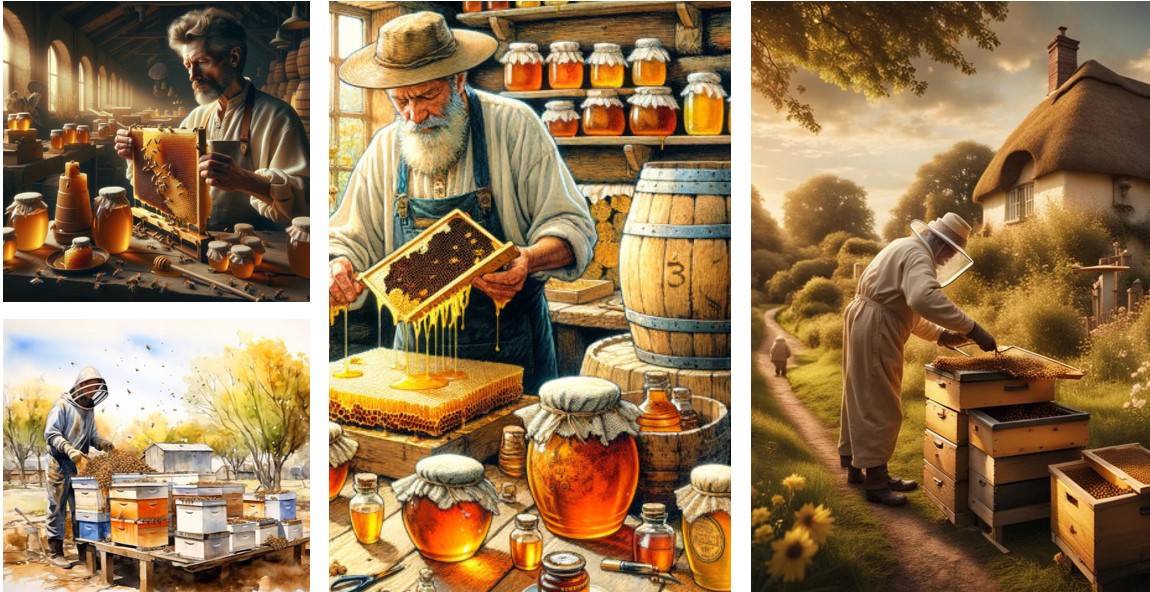
Apiary
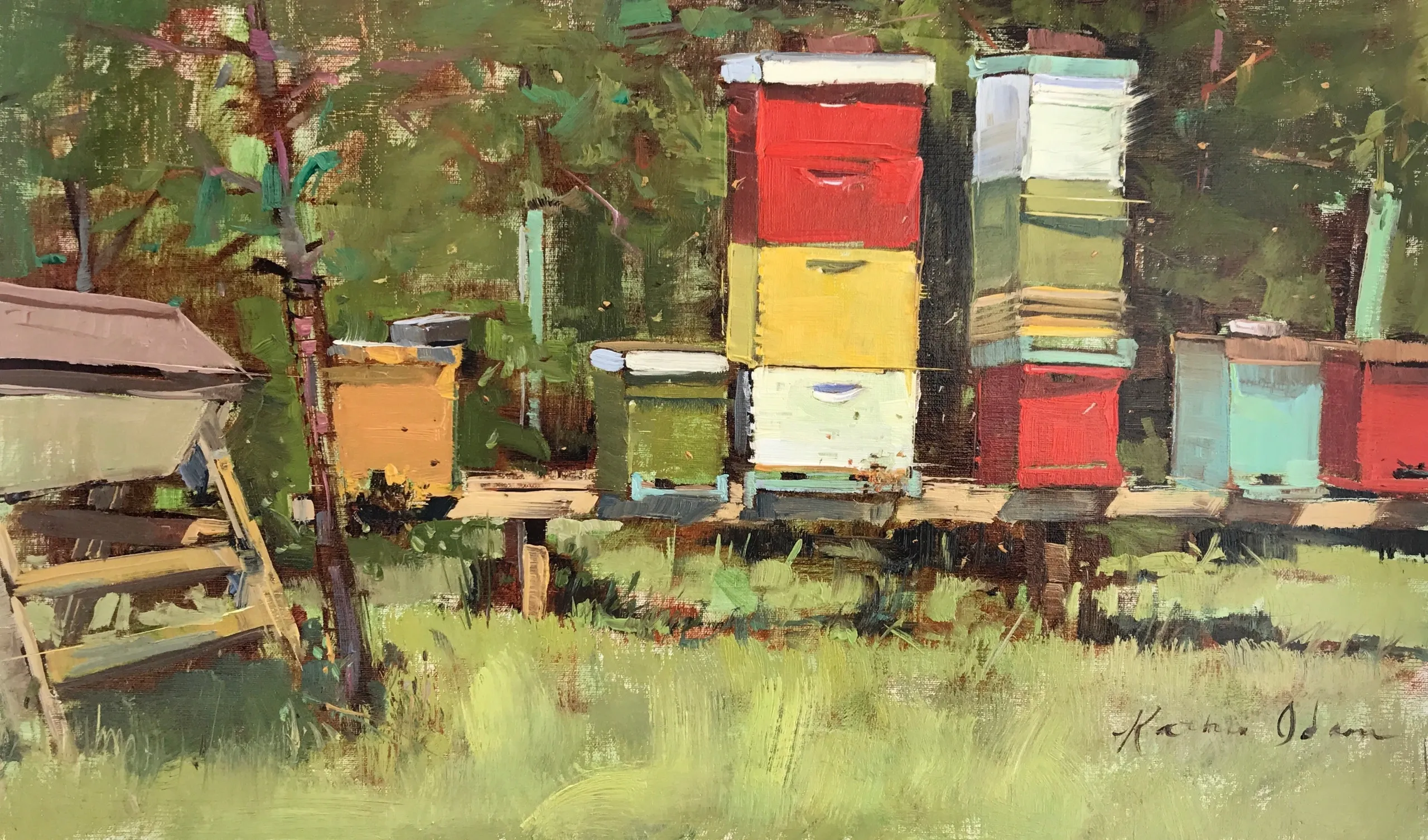
Bee hives are home to colonies of honey bees. These hives are usually stacked wooden boxes with frames where bees build their honeycomb. Each hive contains one queen bee, worker bees, and drones. The workers collect nectar and pollen, produce honey, and care for the queen and young bees.
Beekeepers regularly inspect the hives to ensure the health of the colony, manage the bees' environment (temperature, humidity), and protect against diseases, pests (like Varroa mites), and other threats.
A well-managed honey bee apiary contributes not only to the production of honey but also to biodiversity and food security through the pollination services provided by the bees.
Honeybee Food Sources
- Nectar: Nectar is a sugary liquid produced by flowers that honeybees collect and convert into honey. It provides bees with energy due to its high sugar content, primarily fructose and glucose. Bees gather nectar from a wide variety of flowering plants, including wildflowers, fruit trees, and crops like clover and sunflowers.
- Pollen: Pollen is a protein-rich substance that bees collect from the male part of flowers. It is crucial for bee development, especially for growing larvae. Pollen is packed with protein, fats, vitamins, and minerals, which are essential for the colony's health. Bees gather pollen from flowers and transport it back to the hive on their hind legs.
- Propolis: Propolis, often called "bee glue," is a resin-like substance that bees collect from tree buds, sap flows, and other plant sources. While not a primary food source, bees use it to seal cracks and protect the hive. In some cases, bees might consume small amounts for its antimicrobial properties.
- Water: Honeybees also need water for hydration and to regulate the humidity and the temperature in the hive. They often gather water from nearby sources like ponds, rivers, and puddles.
- Honey: Honeybees produce honey from the nectar they collect. After processing and storing it in the hive, honey serves as their long-term food source, particularly in the colder months when flowers are not blooming.