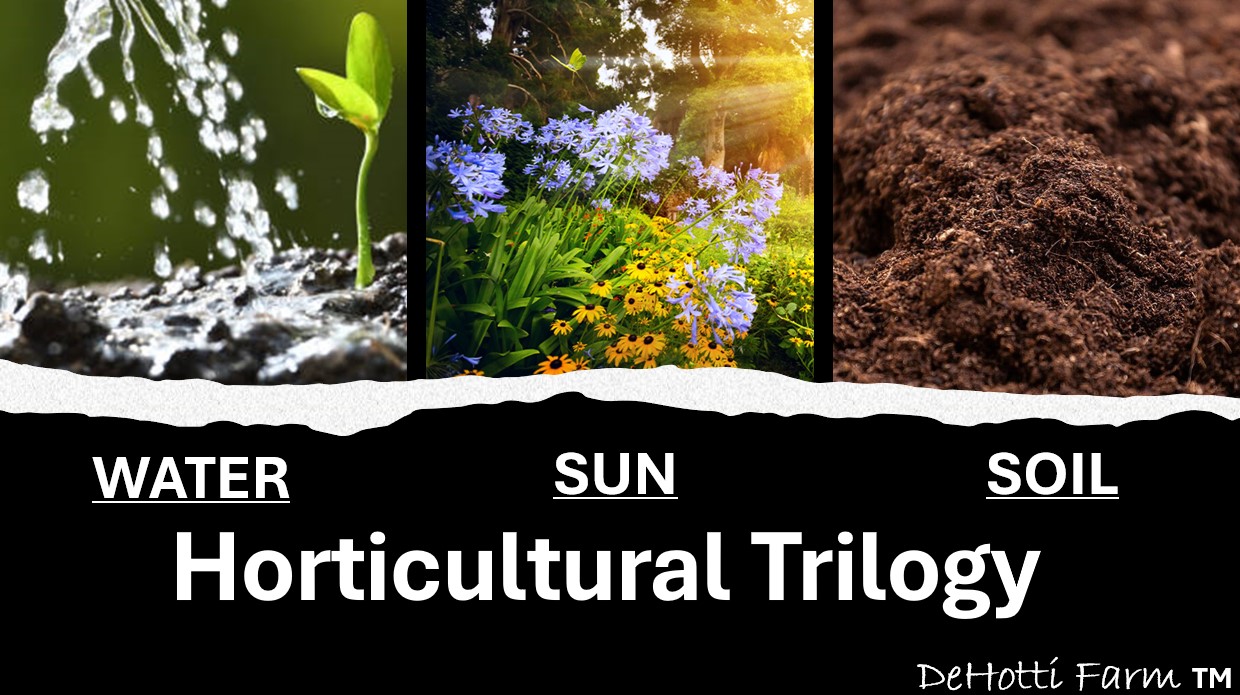
Each of these components plays a critical role in providing plants with the necessary conditions to thrive.
Soil is the foundation for healthy plant growth. It provides the necessary nutrients, water, and oxygen to plants, supporting their root systems and helping them thrive. Different types of soil and soil amendments are used depending on the needs of the plants and the environmental conditions.
Components of Healthy Garden Soil:
- Texture:
- The balance between sand, silt, and clay determines soil texture. Ideal garden soil is loamy and has good structure, which allows for root penetration and healthy growth.
- pH Level:
- The pH level of soil affects the availability of nutrients to plants. Most plants prefer a slightly acidic to neutral pH (6.0 to 7.0). Soils can be tested with a simple pH test kit, and if needed, pH can be adjusted using amendments like lime (to raise pH) or sulfur (to lower pH).
- Nutrients:
- Macronutrients: Nitrogen (N), Phosphorus (P), and Potassium (K) are the primary nutrients needed by plants.
- Micronutrients: Iron, magnesium, sulfur, and other trace elements are also essential for plant health.
- Organic Matter:
- Organic matter is crucial for healthy soil. It improves soil structure, helps retain moisture, and provides nutrients as it decomposes. Examples of organic matter include compost, mulch, and decomposed leaves.
- Drainage:
- Good gardening soil should allow excess water to drain while retaining enough moisture for the plants. Poor drainage can lead to root rot and other diseases, while too much drainage can cause plants to dry out.
- Aeration:
- Soil should be loose enough to allow air to reach the roots. Compacted soil can restrict root growth and water movement, making it difficult for plants to absorb nutrients and oxygen.
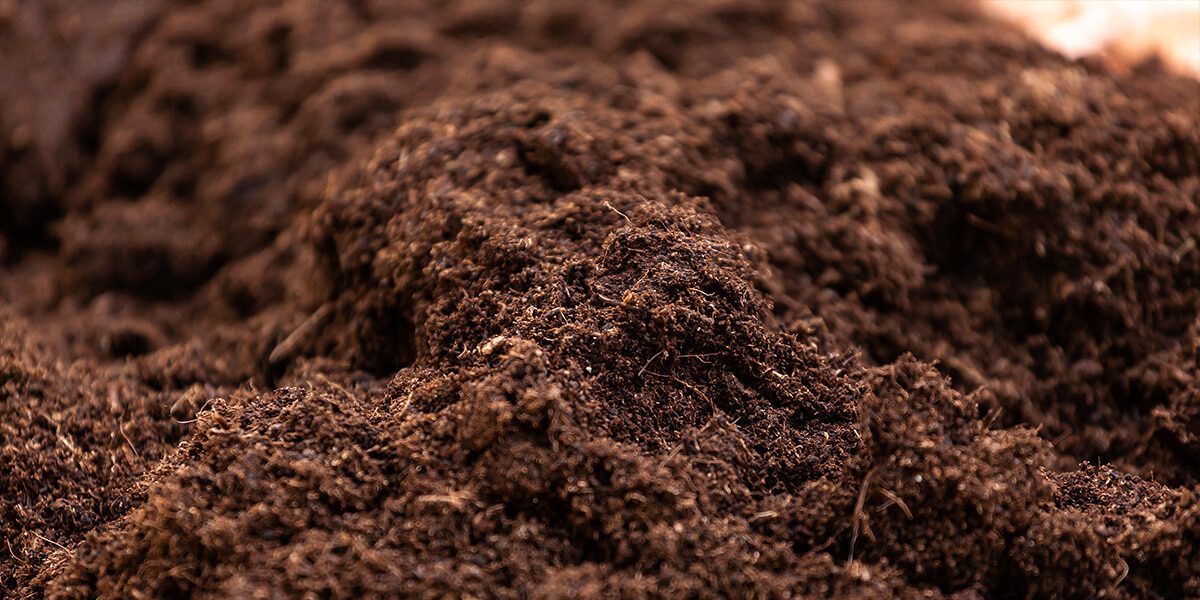
Good gardening soil is essential for healthy plant growth. Whether you're working with existing soil or preparing new planting beds, understanding the types of soil, their properties, and how to amend and improve them will lead to a more successful and vibrant garden. Regularly adding organic matter, and providing the right mix of nutrients will help ensure that your plants have the best environment to grow in.
Sun is a crucial element for successful gardening, as it provides the energy necessary for photosynthesis, the process by which plants produce food. Understanding how sunlight affects plant growth can help you choose the best spots for your garden and optimize plant health.
Importance of Sunlight for Plants:
- Photosynthesis:
- Sunlight is essential for photosynthesis, the process by which plants convert light energy into chemical energy (sugar) that fuels growth and development. Without adequate sunlight, plants cannot produce enough energy and may become weak or fail to thrive.
- Flowering and Fruit Production:
- Many plants require specific amounts of sunlight to bloom or produce fruit. For example, fruiting plants like tomatoes, peppers, and squash need full sun to produce a good harvest. Insufficient light can result in poor flowering or fruiting.
- Plant Growth and Health:
- Sunlight affects the overall growth rate, leaf development, and structure of plants. Plants that receive the right amount of light tend to be stronger, more vibrant, and disease-resistant.

Sunlight is a key factor for healthy plant growth. Understanding your plants' sunlight requirements, observing how sunlight shifts across your garden, and positioning your plants accordingly can make a significant difference in your gardening success. Whether you're growing vegetables, flowers, or herbs, ensuring they get the right amount of sunlight is essential for promoting vibrant, productive plants.
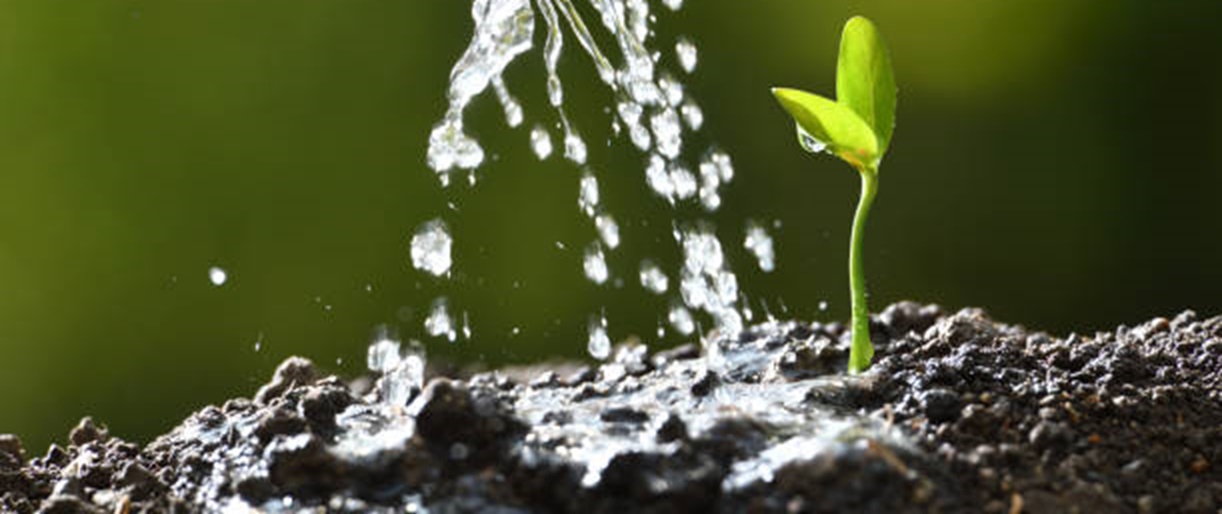
Water is essential for plant growth and plays a crucial role in various physiological processes. It helps transport nutrients, supports photosynthesis, and maintains plant structure. When it comes to plant watering, proper technique and timing are essential for healthy plant growth.
- Watering Schedule:
- Early morning or late afternoon is the best time to water, as this allows the water to soak into the soil before the sun heats up and evaporates it.
- Avoid watering during the hottest part of the day, usually between 10 a.m. and 4 p.m.
- Watering Method:
- Drip irrigation delivers water directly to the soil near the plant roots, reducing evaporation and runoff.
- Soaker hoses allow for deep watering, which is beneficial for plant roots.
- Hand watering to use a hose or watering can with a gentle nozzle to avoid disturbing the soil around the plants.
- How Much to Water:
- It's generally better to water deeply and infrequently than to water lightly every day. Deep watering encourages plant roots to grow deeper into the soil, which helps them tolerate dry spells.
- Soil Type:
- Sandy soil drains quickly, so it may need more frequent watering.
- Clay soil retains water, so less frequent watering may be needed, but be sure to avoid overwatering, which can lead to root rot.
Manure refers to any type of organic matter, usually derived from plants or animals, that is used to improve soil fertility and promote plant growth. Unlike synthetic or chemical fertilizers, organic manures enrich the soil with a variety of nutrients and improve soil structure, microbial activity, and water retention. Organic manure is often used in sustainable agriculture and organic gardening because it enhances the health of the soil and ecosystem.
Organic manures increase the amount of organic matter in the soil, which improves its texture. This helps in improving water retention in sandy soils and drainage in clay soils.
Organic manures release nutrients slowly, providing a steady supply to plants over time. This helps in improving the long-term health of plants.
Organic matter supports a thriving population of beneficial soil organisms, such as earthworms, bacteria, fungi, and other microorganisms, which are essential for healthy soil ecosystems.
- Compost
- Green Manure
- Poultry Manure
- Cow Manure
- Horse Manure
- Chicken Manure
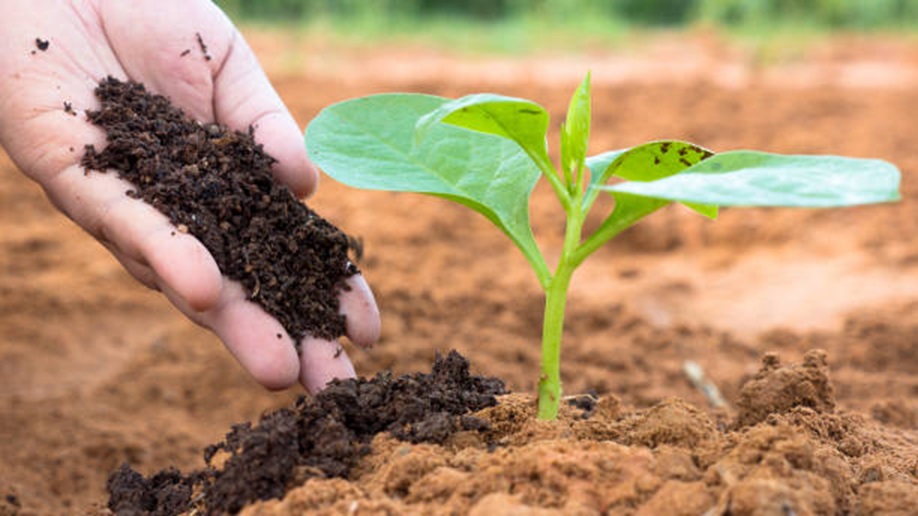
Organic manure is a vital tool in sustainable gardening and farming, providing essential nutrients, improving soil health, and promoting better plant growth. It is a natural, environmentally friendly alternative to synthetic fertilizers that helps maintain the balance of the soil ecosystem over the long term.
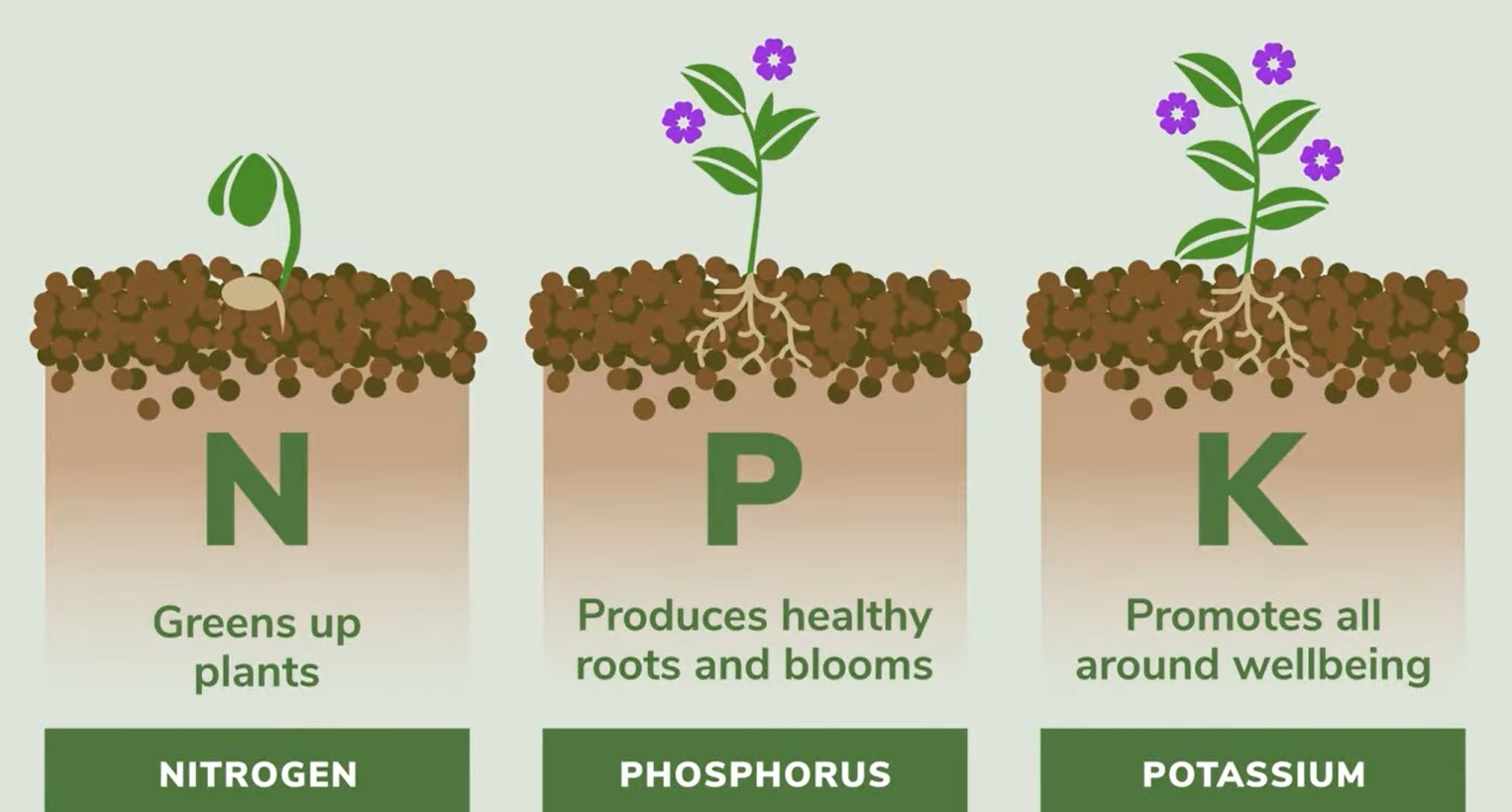
Fertilizer , normally refer to NPK fertilizer is a type of fertilizer that contains three essential nutrients: Nitrogen (N), Phosphorus (P), and Potassium (K).
These nutrients are crucial for plant growth, each serving a specific role:
- Nitrogen (N):
- Essential for plant growth as it helps in the production of chlorophyll, which is necessary for photosynthesis.
- Promotes healthy leaf and stem development.
- A deficiency in nitrogen results in yellowing of leaves (chlorosis) and stunted growth.
- Phosphorus (P):
- Important for root development and flowering.
- Supports energy transfer in the plant, which is crucial for growth and development.
- A phosphorus deficiency can lead to poor root growth and weak flowering or fruiting.
- Potassium (K):
- Helps in the overall functioning of plant cells and improves resistance to diseases and stresses (such as drought or cold).
- Aids in the production of strong stems and improves the quality of fruits and flowers.
- Deficiency can cause weak plants that are more susceptible to disease and stress.
NPK Ratio:
The NPK ratio (e.g., 10-20-10, 20-10-10) refers to the percentage of each nutrient in the fertilizer by weight. The first number is the percentage of nitrogen, the second is phosphorus, and the third is potassium.
For example:
- 10-20-10 means the fertilizer contains 10% nitrogen, 20% phosphorus, and 10% potassium.