Composting
Composting is the process of breaking down organic waste into nutrient-rich soil through the action of microorganisms, fungi, and other decomposers.It's a natural recycling process that transforms food scraps, yard waste, and other organic materials into compost, which can be used to improve soil quality in gardens.
Composting reduces waste sent to landfills and provides a sustainable way to enrich the soil without relying on synthetic fertilizers.
In DeHotti Farm our goal is to have a sustainable farming to protect environment, enriche soil and improve the soil structure.
And the most important, to support a healthy ecosystem by reducing the need for chemical fertilizers.
Key Components of Composting:
Green Materials (Nitrogen-rich) provide the essential nutrients for microbial growth.
- Fruit and vegetable scraps
- Coffee grounds
- Grass clippings
- Fresh plant trimmings
- Eggshells
- Dry leaves
- Straw or hay
- Shredded paper or cardboard
- Fresh plant trimmings
- Wood chips or sawdust
Water -The compost pile should be kept moist, but not soggy, to help the microorganisms stay active.
Composting
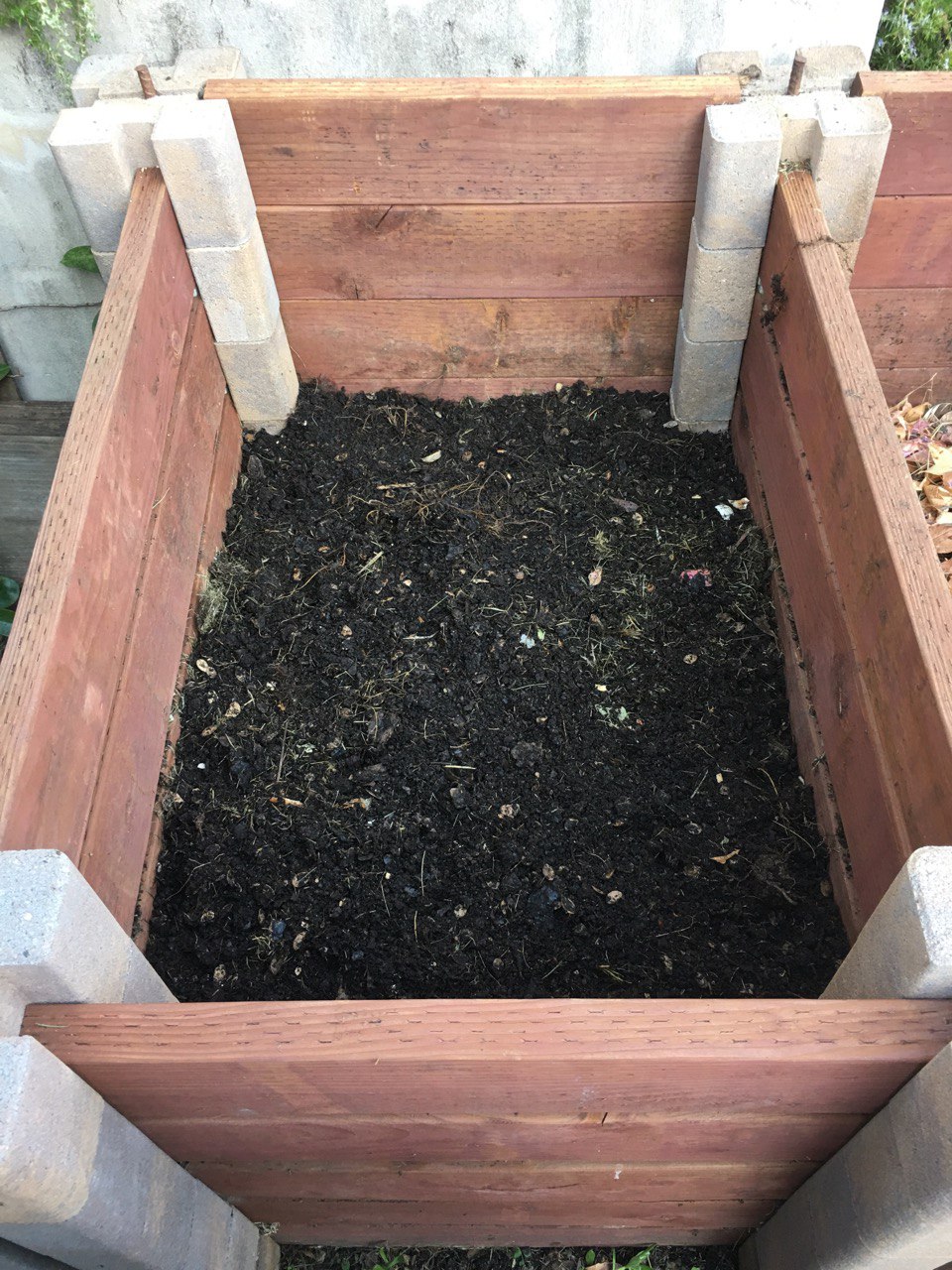
can turn this
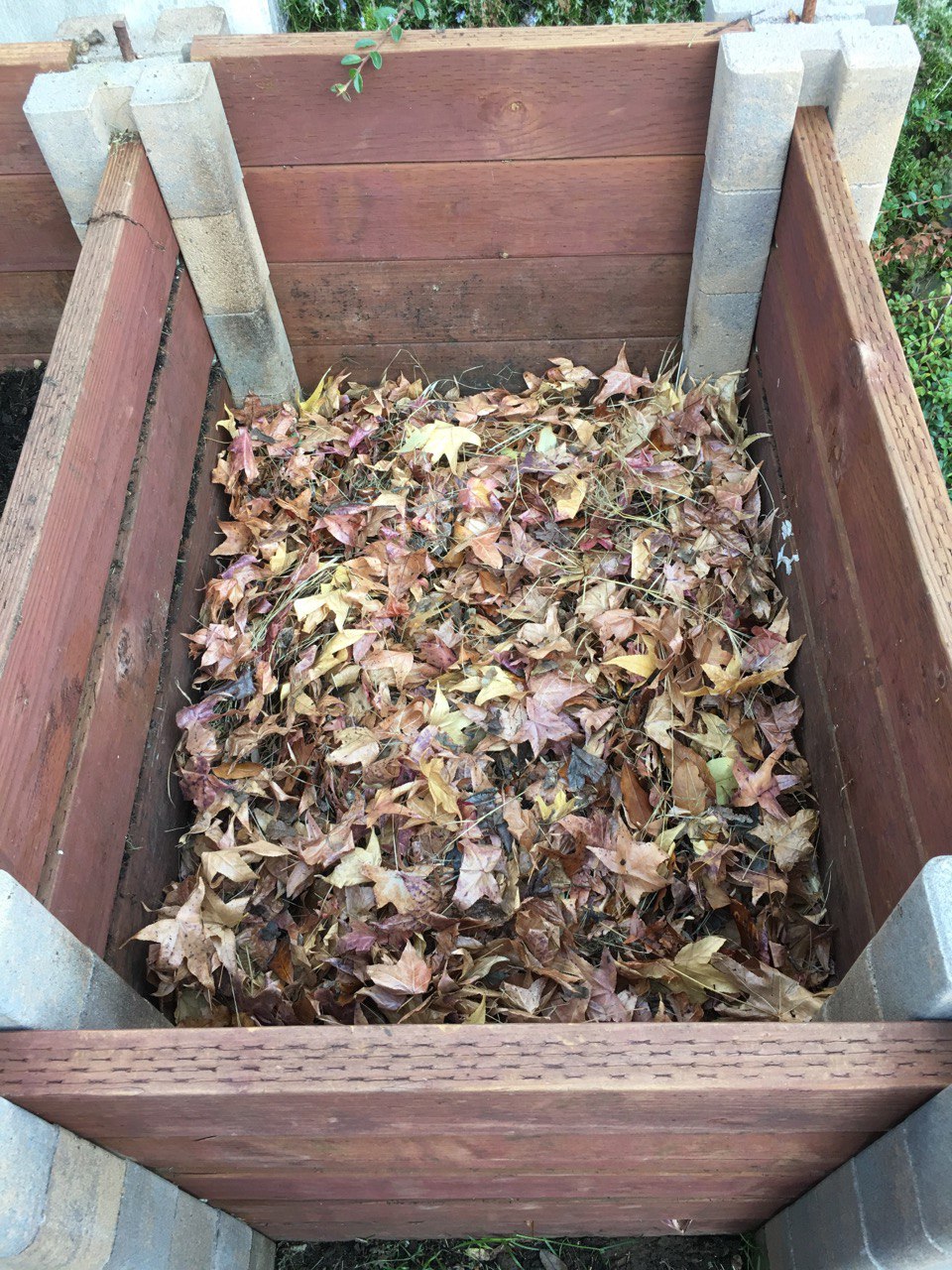
to this
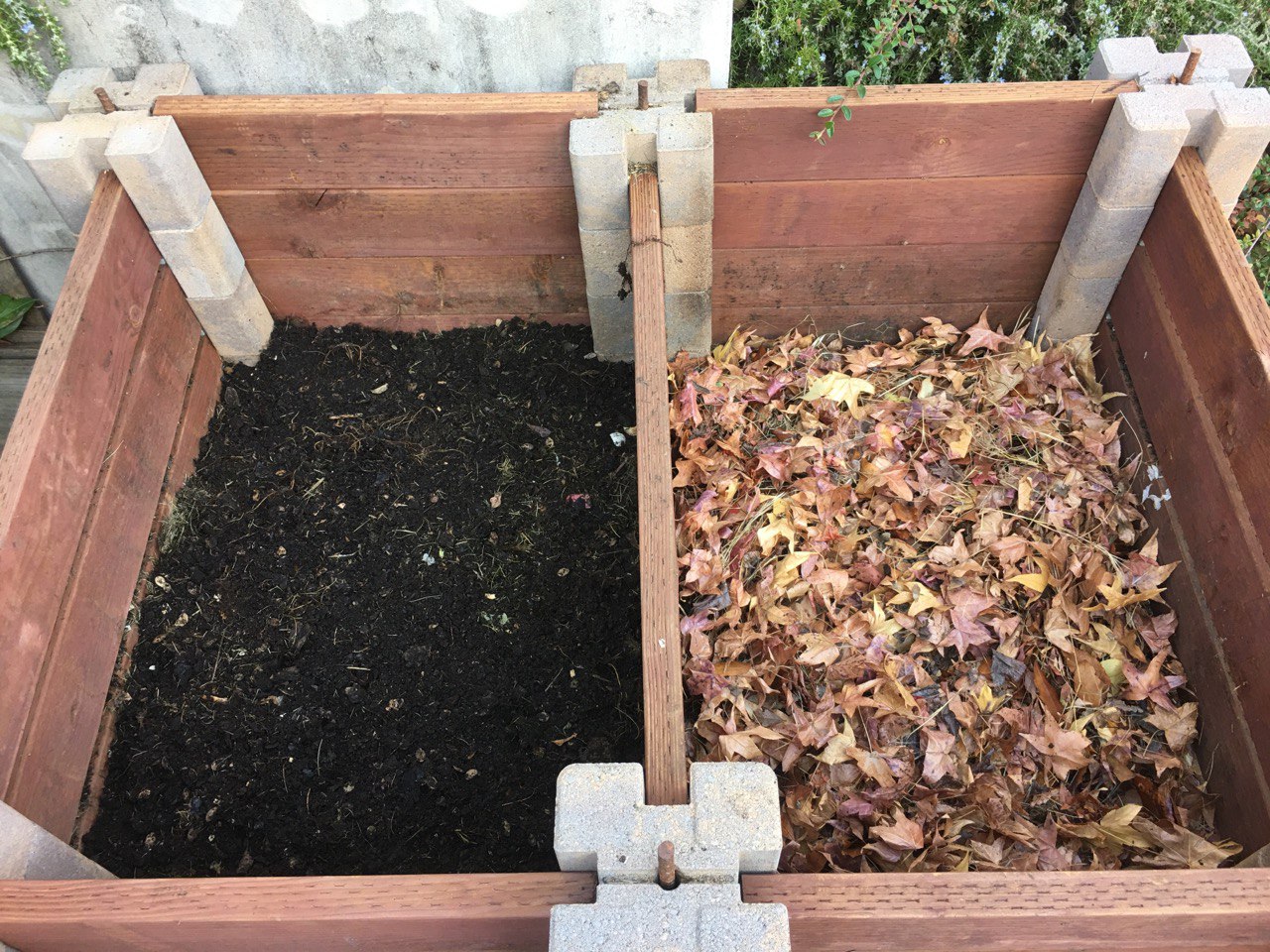
In DeHotti Farm we have 2 bins for composting. One for starting the compost and one for letting the compost to age.
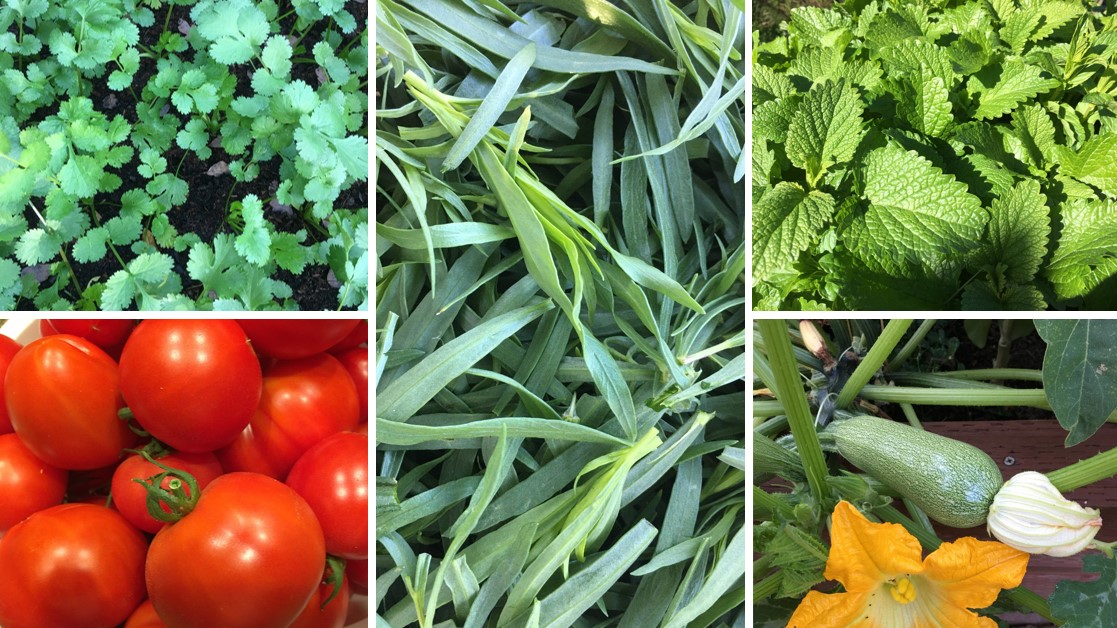
Mostly we use our compost in our vegetable gardens to enrich the soil. Our compost adds organic matter to the soil, enhancing the texture, structure, and nutrient content.
The nutrient in compost feed vegatables, enhancing their growth, vigor, and resilience.